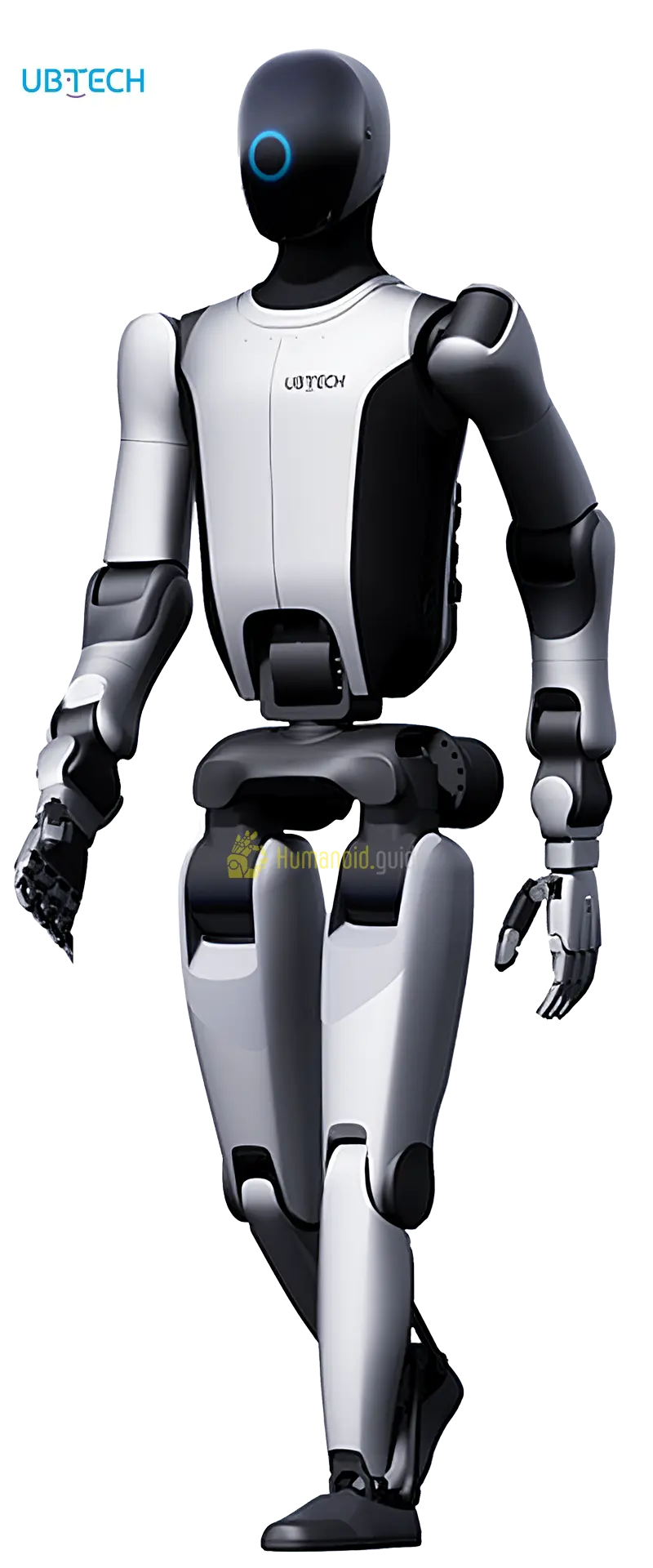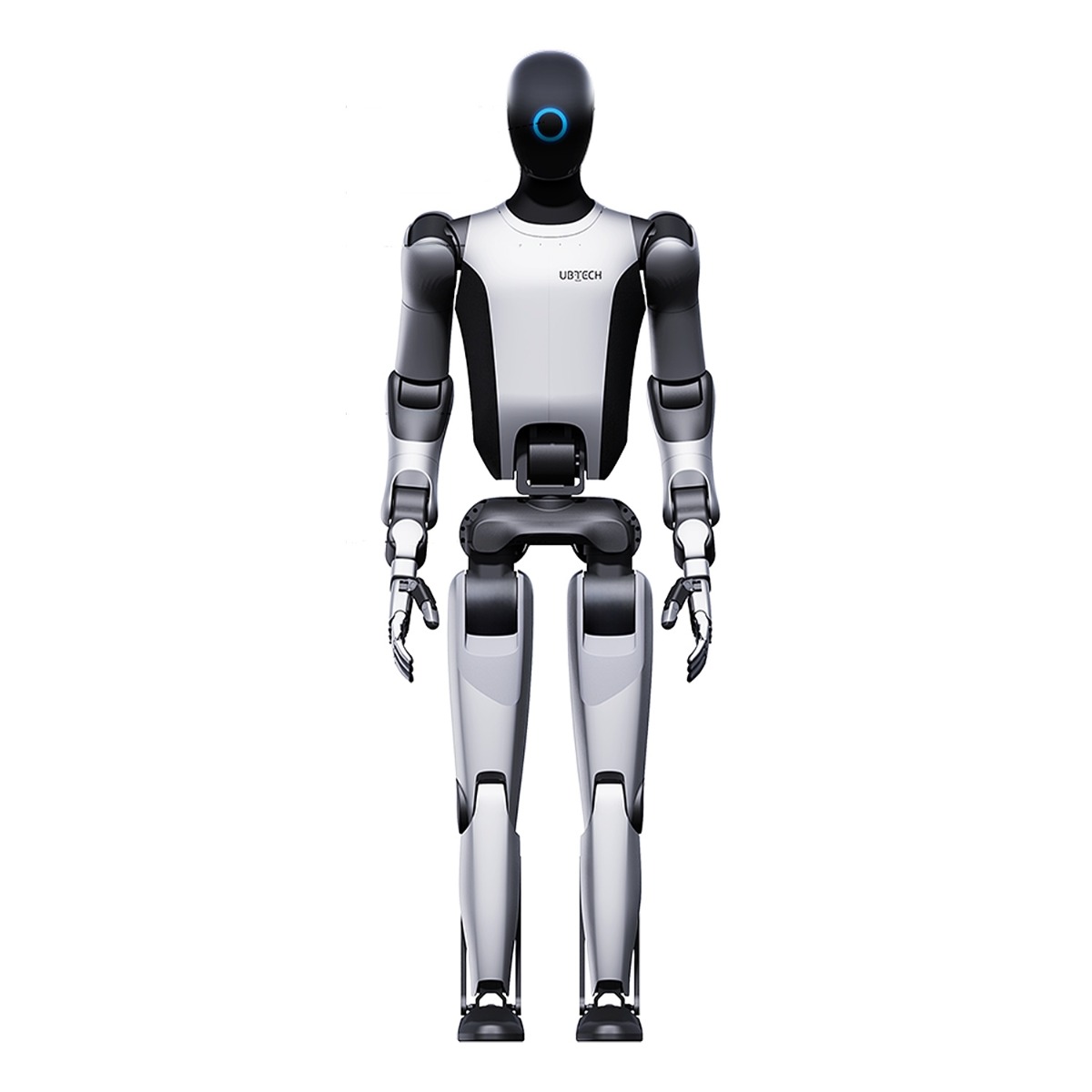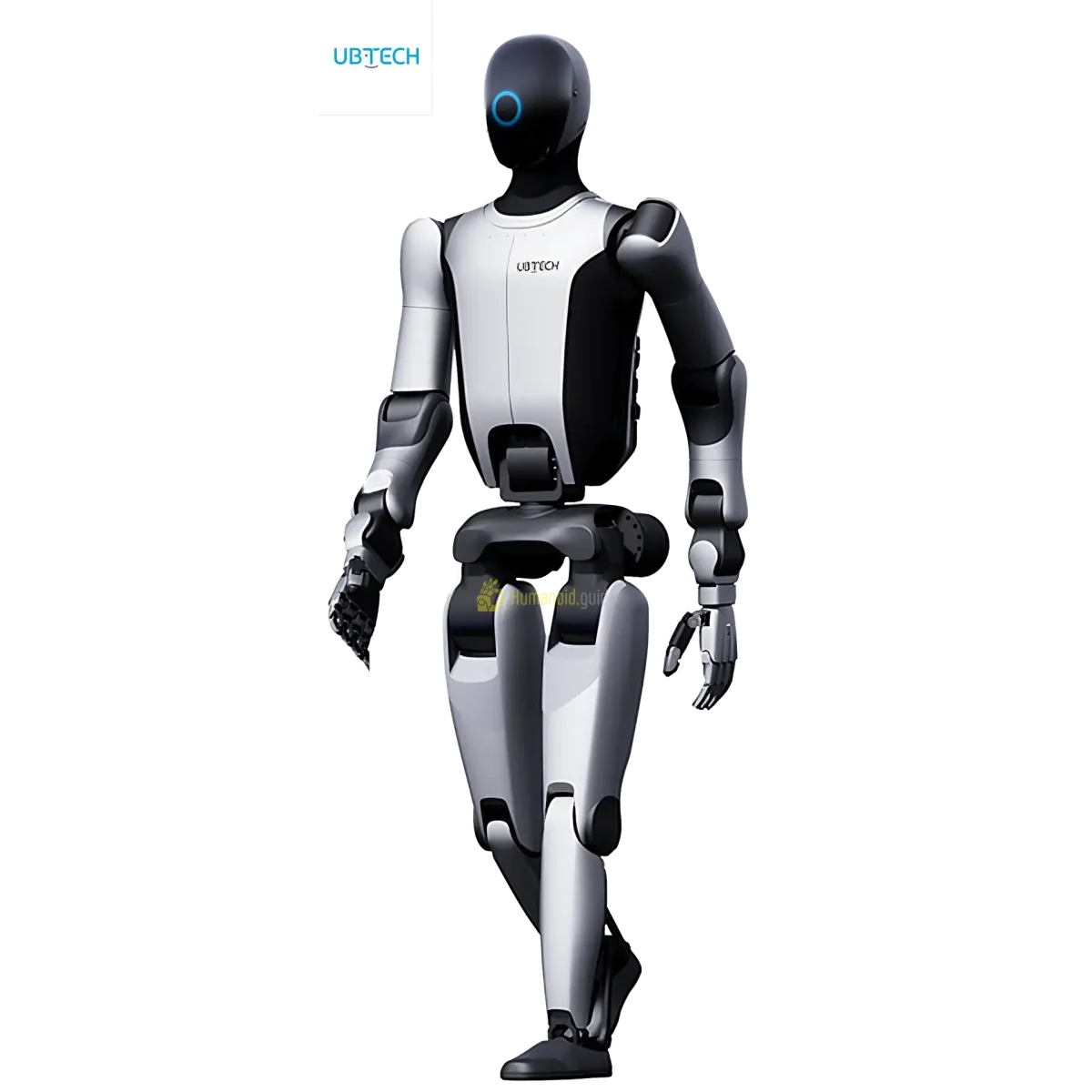
What is the Ubtech Walker S2?
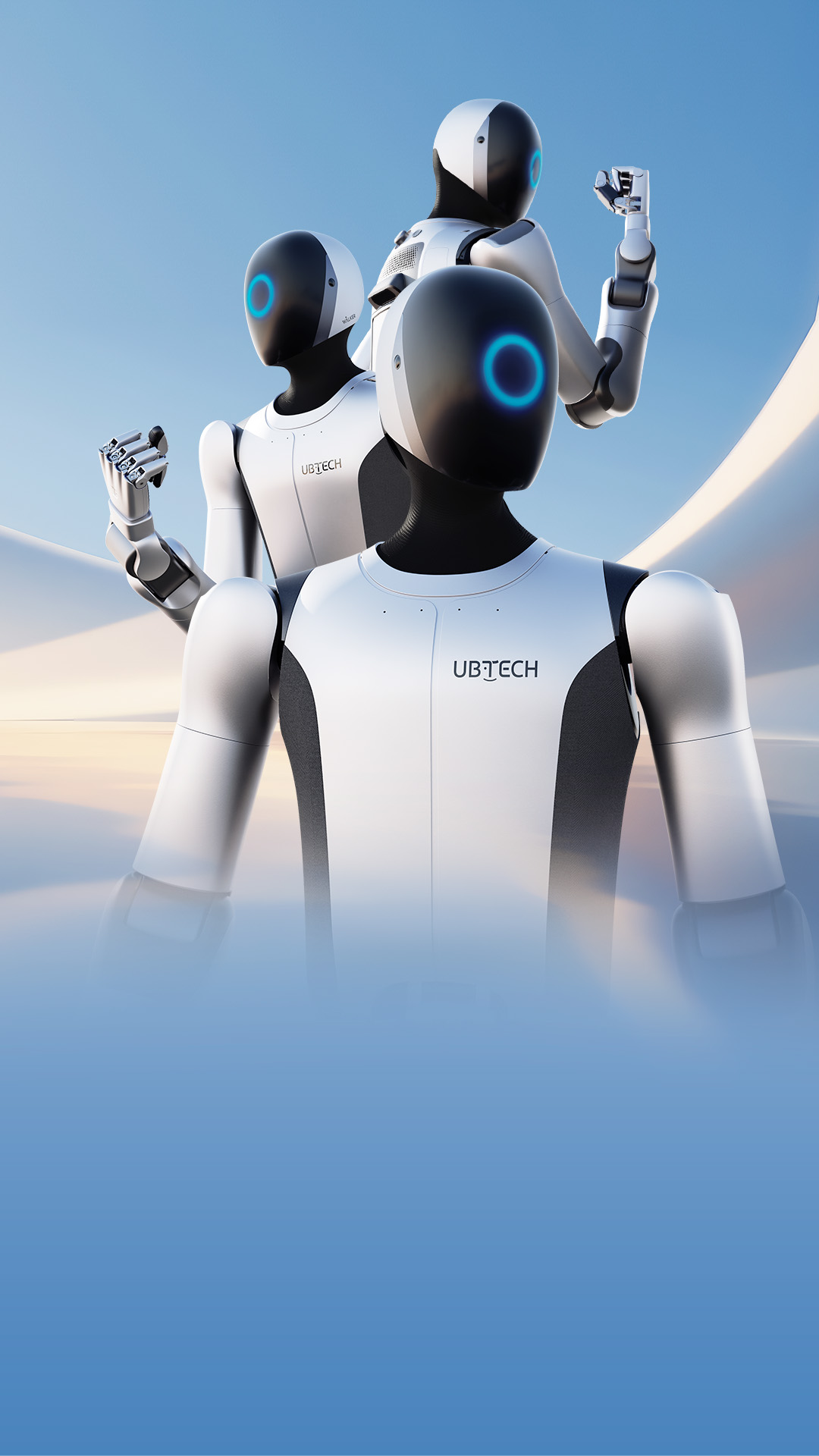
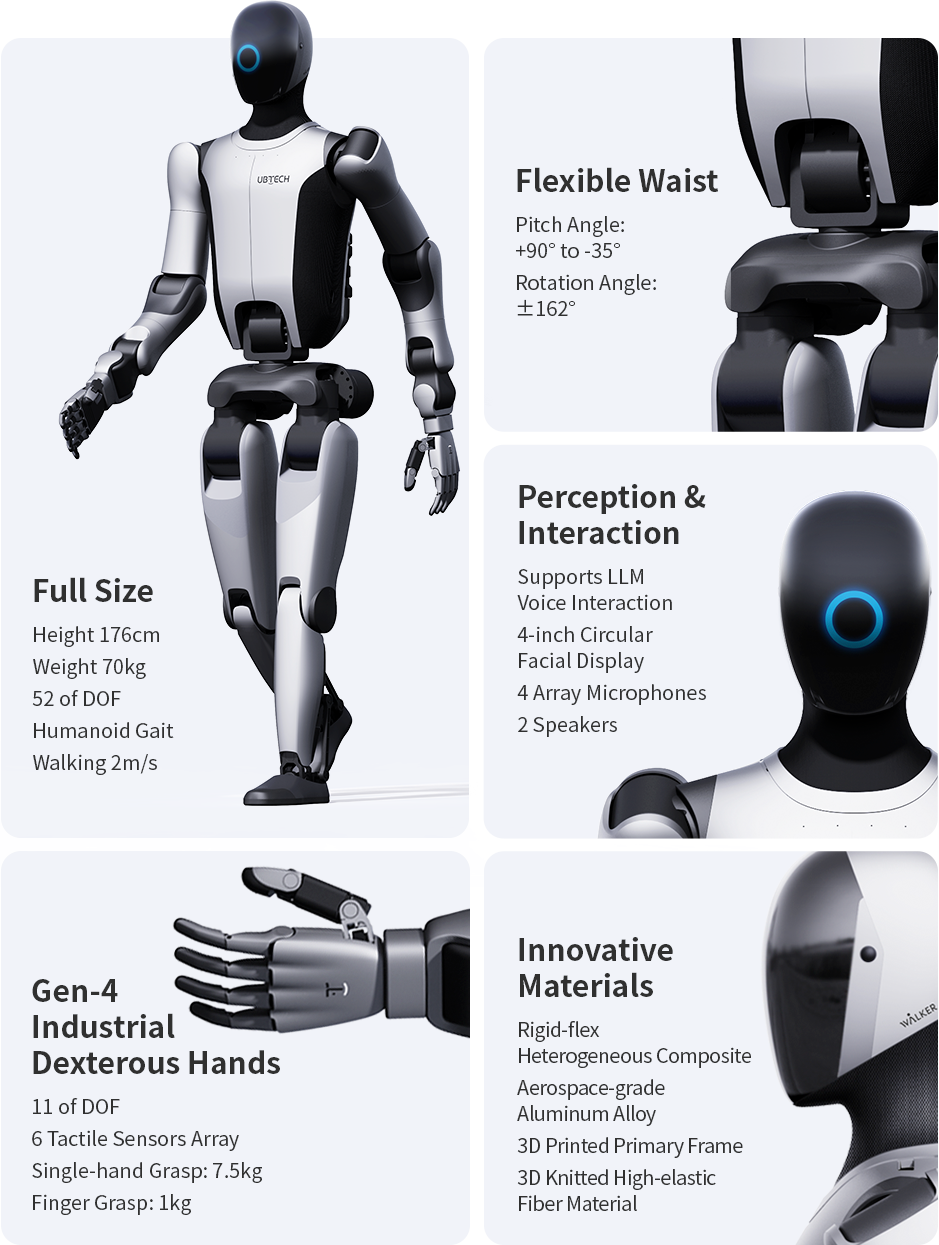
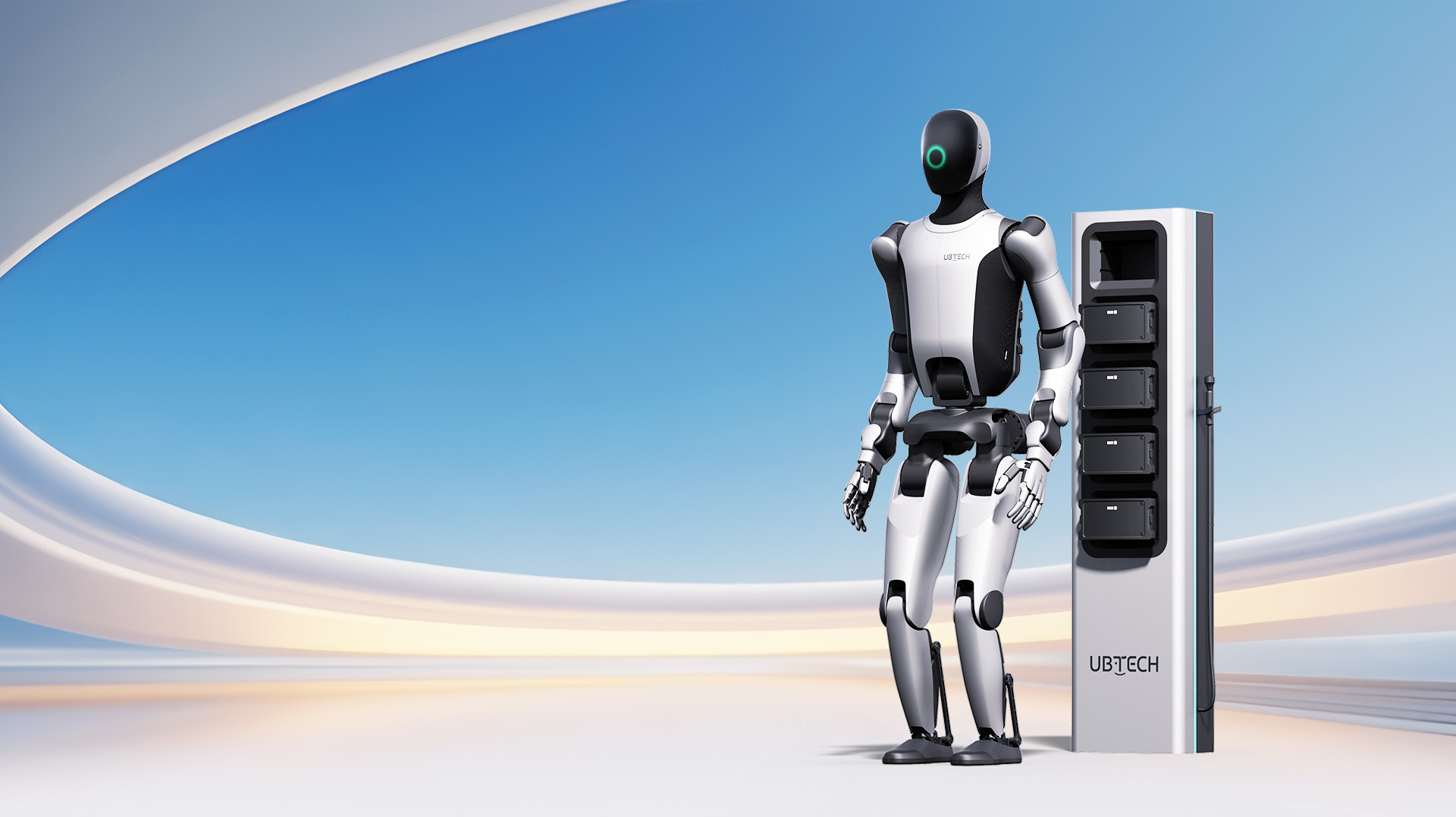
The UBTECH Walker S2 is a fourth-generation industrial humanoid robot built by UBTECH Robotics (Shenzhen, China) for manufacturing and logistics. Standing 176 cm tall and weighing 71.5 kg, it has 52 DOF, including advanced 11-DoF hands with sub-millimeter tactile sensitivity. Powered by dual 48V lithium-ion batteries, it runs for 2 hours per charge and autonomously swaps batteries in under 3 minutes to achieve near-24/7 operation. At its core, an NVIDIA Jetson AGX Orin (275 TOPS) and Intel Core i7 drive UBTECH's Co-Agent AI with Baidu LLM integration for task planning. The robot is currently deployed at BYD factories for assembly, inspection, and material handling.
Specifications
Here are the full technical specifications.
| Spec | Value |
|---|---|
| Height | 176 cm |
| Weight | 71.5 kg |
| Degrees of freedom | 52 |
| Battery life | 2 hours |
| Max speed | 7.2 km/h |
| Payload | 15 kg |
| Price (new) | $90,000 |
| Price (used range) | ~$75,000–85,000 (est.) |
Price & Value
New MSRP: $90,000
Used range: ~$75,000–85,000 (est.)
The Walker S2's $90,000 MSRP places it in the mid-range of industrial humanoids, substantially cheaper than the Agility Digit ($250,000) and on par with the Unitree H1 ($90,000). Its autonomous battery-swap system and 52-DoF dexterity deliver a compelling value proposition for 24/7 manufacturing operations, where labor cost savings can justify the investment within 12–18 months for multi-shift deployments. Compared to fixed automation, the humanoid form factor offers flexible redeployment across tasks — a key advantage in high-mix production environments. Depreciation is expected to be moderate, as UBTECH's established presence and ongoing updates provide longer-term software support. Considering a 5-year service life, total cost of ownership including maintenance and battery replacements is estimated at $150,000–$200,000, making the S2 a cost-effective alternative to hiring multiple shift workers. Early adopter programs may offer volume discounts, broadening accessibility for small-to-medium factories.
Who Is It For?
Best for: - Automotive assembly lines (BYD deployment proven) - Electronics manufacturing for delicate assembly with sub-mm hand precision - 24/7 logistics hubs needing continuous material handling with autonomous battery swap
Not for: - Outdoor unstructured environments (no IP rating for rain/dust) - Consumer or retail service (designed for industrial floors, not human-interaction areas) - Extremely high-payload tasks beyond 15 kg (consider hydraulic humanoid alternatives)
Alternatives & Comparison
The humanoid robot market for industry is rapidly evolving. Here's how the UBTECH Walker S2 compares with key rivals in the same price and use-case bracket.
| Model | Price | Available | Key Difference |
|---|---|---|---|
| Tesla Optimus | Undisclosed (expected ~$20,000) | no | Not yet commercially available; lacks autonomous battery swap system |
| Agility Digit | $250,000 | yes | Focused on warehouse logistics; much higher price and no autonomous battery swap |
| Unitree H1 | $90,000 | yes | General-purpose humanoid; no autonomous battery swap or proven large-scale factory deployment |
Verdict: For 24/7 factory floor operations, the Walker S2's autonomous battery swap and BrainNet fleet intelligence give it a clear edge. The Unitree H1 matches it on price but lacks the industrial certifications and swap system. Digit is better for warehouse logistics but at a much higher cost. If Tesla Optimus materializes at ~$20k, it could disrupt, but until then, the S2 is the best buy for manufacturing.
Use Cases & Capabilities
Automotive Assembly
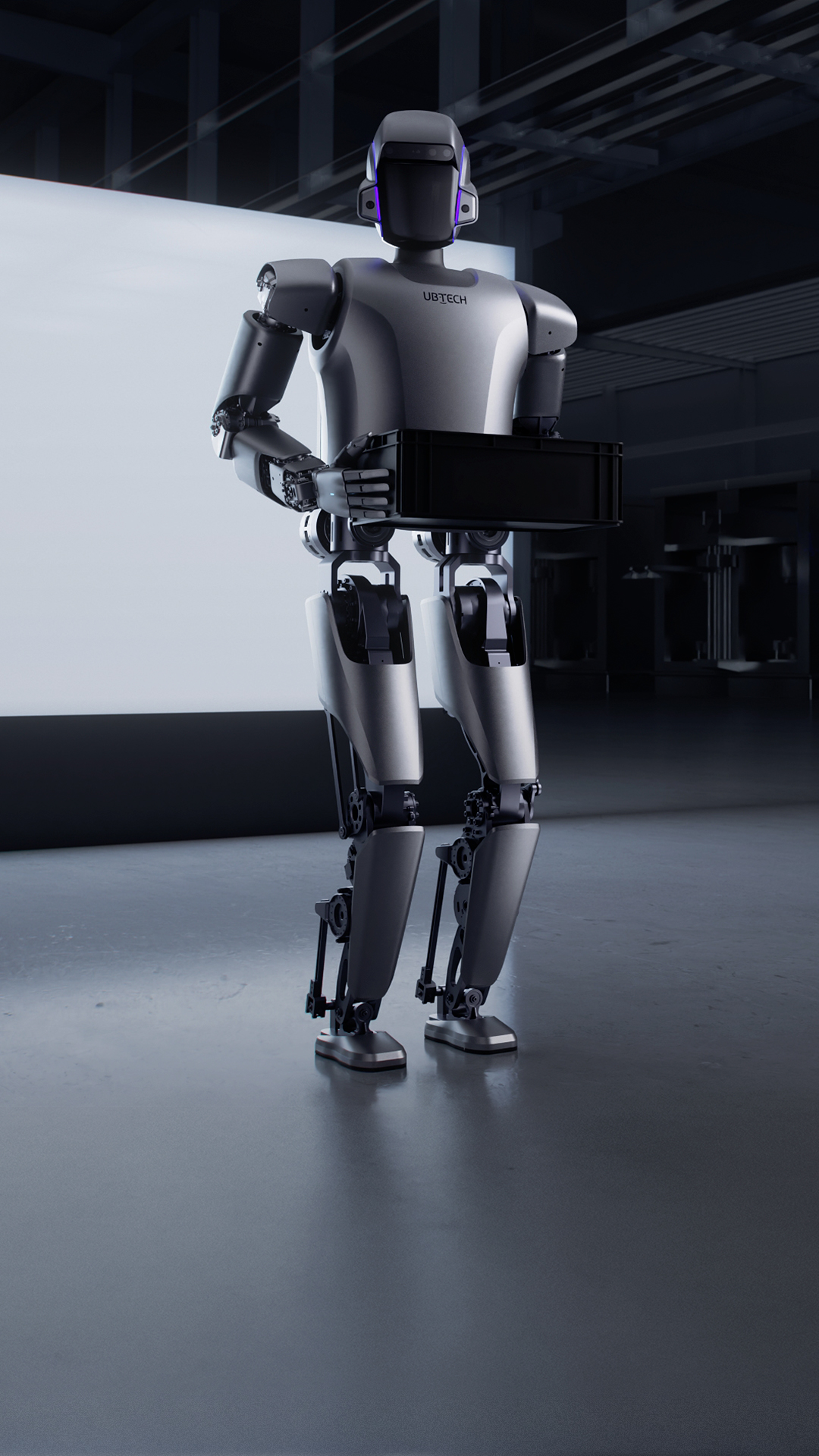
The Walker S2 is purpose-built for automotive production lines, having been validated in BYD's factories. It can perform tasks such as installing interior components, tightening bolts, and placing wiring harnesses. Its 15 kg payload and dual-arm dexterity allow it to lift and manipulate vehicle parts, while its 2.0 m/s walking speed enables it to move efficiently between stations. With MES integration, the robot syncs with assembly scheduling to avoid bottlenecks, and autonomous battery hot-swap ensures it is ready for the next shift without downtime.
Electronics Manufacturing and Precision Assembly
The Walker S2's 4th-generation 11-DoF hands feature sub-millimeter precision and fingertip tactile sensors, making it suitable for assembling delicate electronic components like circuit boards and connectors. Its stereo vision and 6D object pose recognition allow it to handle small, complex parts reliably. The robot can work in semiconductor cleanrooms or consumer electronics lines, performing pick-and-place, adhesive dispensing, and quality checks. However, potential buyers should note that UBTECH has not publicly disclosed an ISO cleanroom rating, so verification for ultra-clean environments is advised.
Logistics and Material Handling
For warehouses and distribution centers, the Walker S2 can autonomously move items between conveyor belts, shelves, and loading docks. Its 15 kg payload, combined with a 7.2 km/h walking speed, matches or exceeds human worker throughput in repetitive transport tasks. The autonomous battery swap system ensures near-continuous 24/7 operation — a critical requirement for high-volume logistics. BrainNet 2.0 swarm intelligence further enables multiple S2 units to coordinate pallet-building, order picking, and inventory restocking without human supervision.
Automated Inspection and Quality Control
With dual high-resolution RGB stereo cameras, depth LiDAR, and Co-Agent AI, the Walker S2 can autonomously patrol factory floors to check for defects, measure part dimensions, and verify assembly completeness. It integrates with existing Manufacturing Execution Systems to log results in real time. The robot's ability to walk and work at human eye-level makes it ideal for inspecting tall equipment and overhead structures that wheeled robots cannot reach. Tactile sensors also enable contact-based surface inspection for scratches or weld imperfections.
History & Background
UBTECH Robotics was founded in 2012 in Shenzhen, China, initially focusing on consumer and educational robots like Alpha and Jimu. The company first entered the humanoid space with the research-oriented Walker in 2018, before pivoting to industrial applications. In 2024, UBTECH deployed the first-generation Walker S at BYD and Geely automotive plants — one of the earliest mass production line deployments of a humanoid robot. The Walker S2, introduced in late 2025, represents the fourth generation of factory humanoids, featuring enhanced walking stability, a higher 15 kg payload, and the BrainNet 2.0 swarm intelligence system. UBTECH continues to partner with Baidu for natural-language task planning and has publicly stated the S2 achieves near-continuous 24/7 operation through autonomous battery hot-swapping. As of 2026, the robot is commercially available for industrial customers.
Buying Used — What to Check
Verify battery cycle count and health The autonomous swap system accelerates wear on battery connectors and cells; request a battery test report.
Inspect hand tactile sensor integrity Hands are rated for 80,000 cycles — check if that limit has been approached and whether sensors still respond accurately.
Confirm software update support UBTECH's Co-Agent AI and BrainNet 2.0 require periodic updates; used units might need paid upgrade agreements.