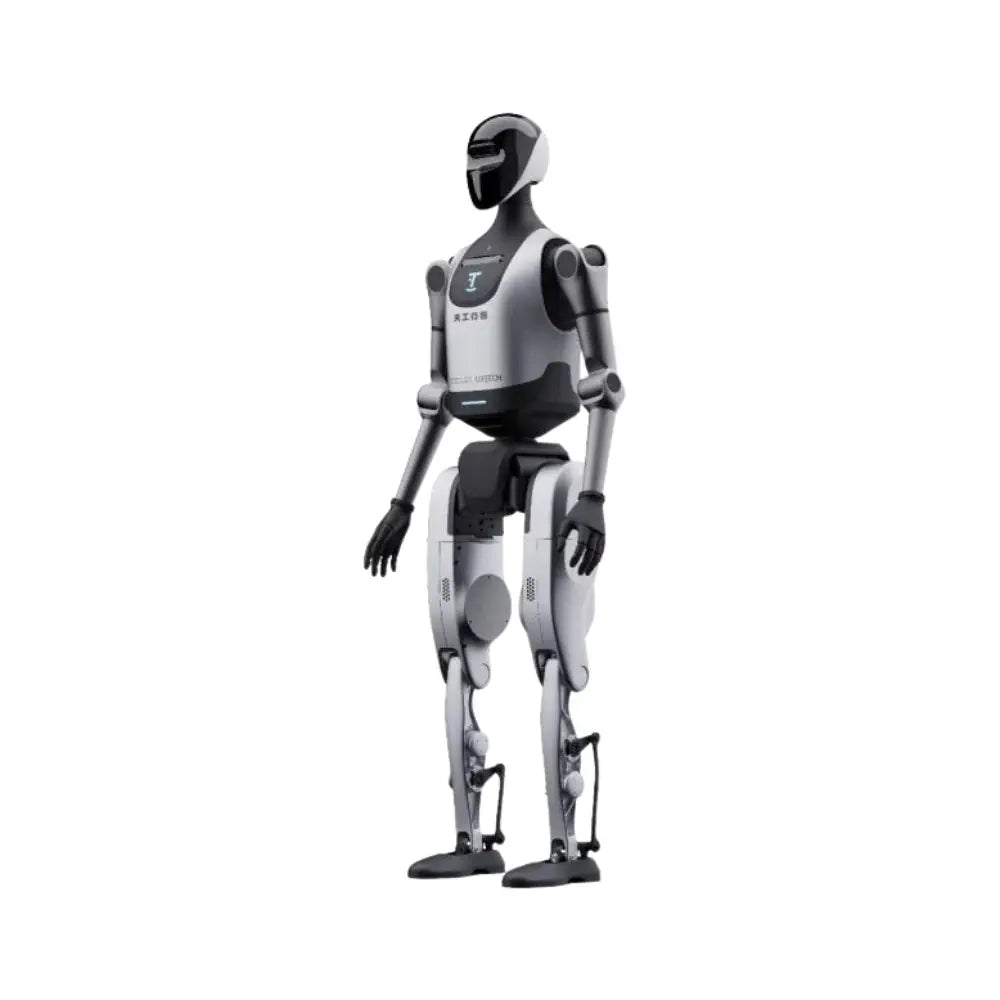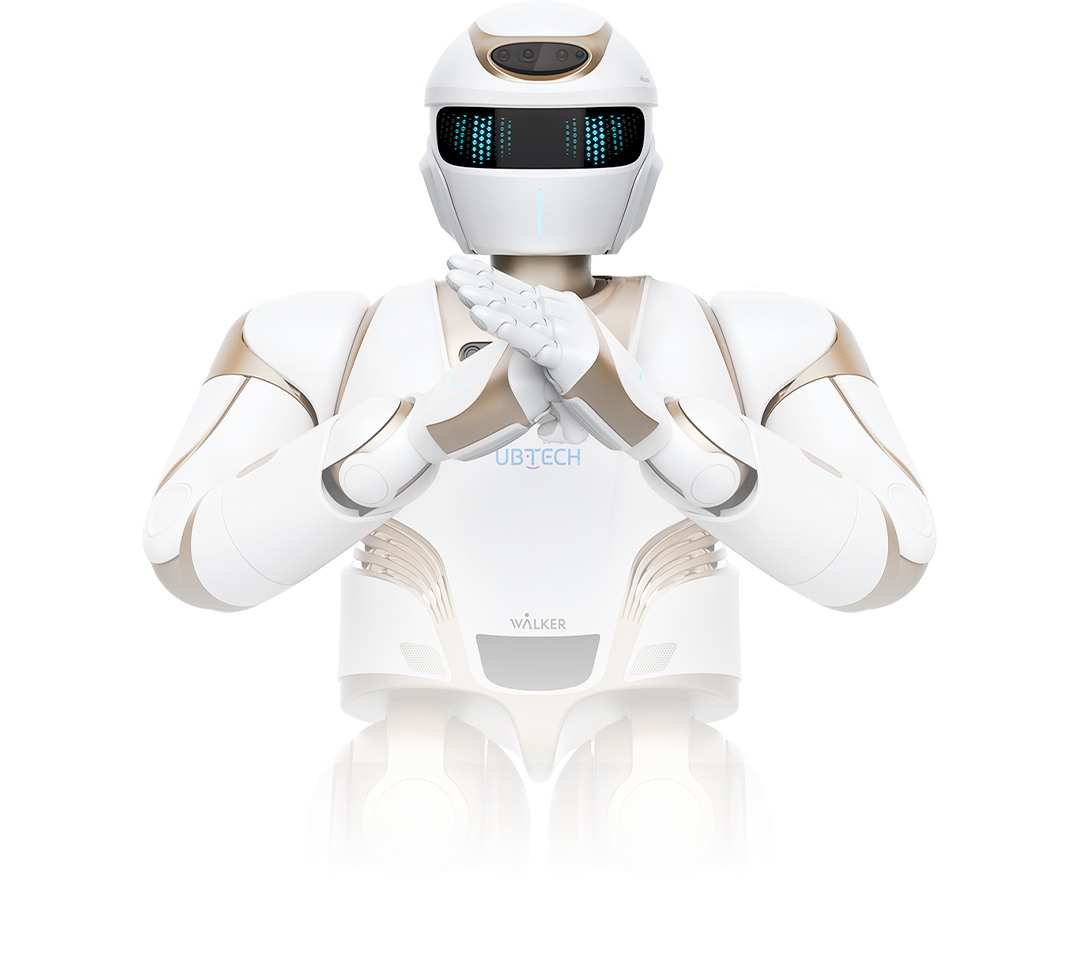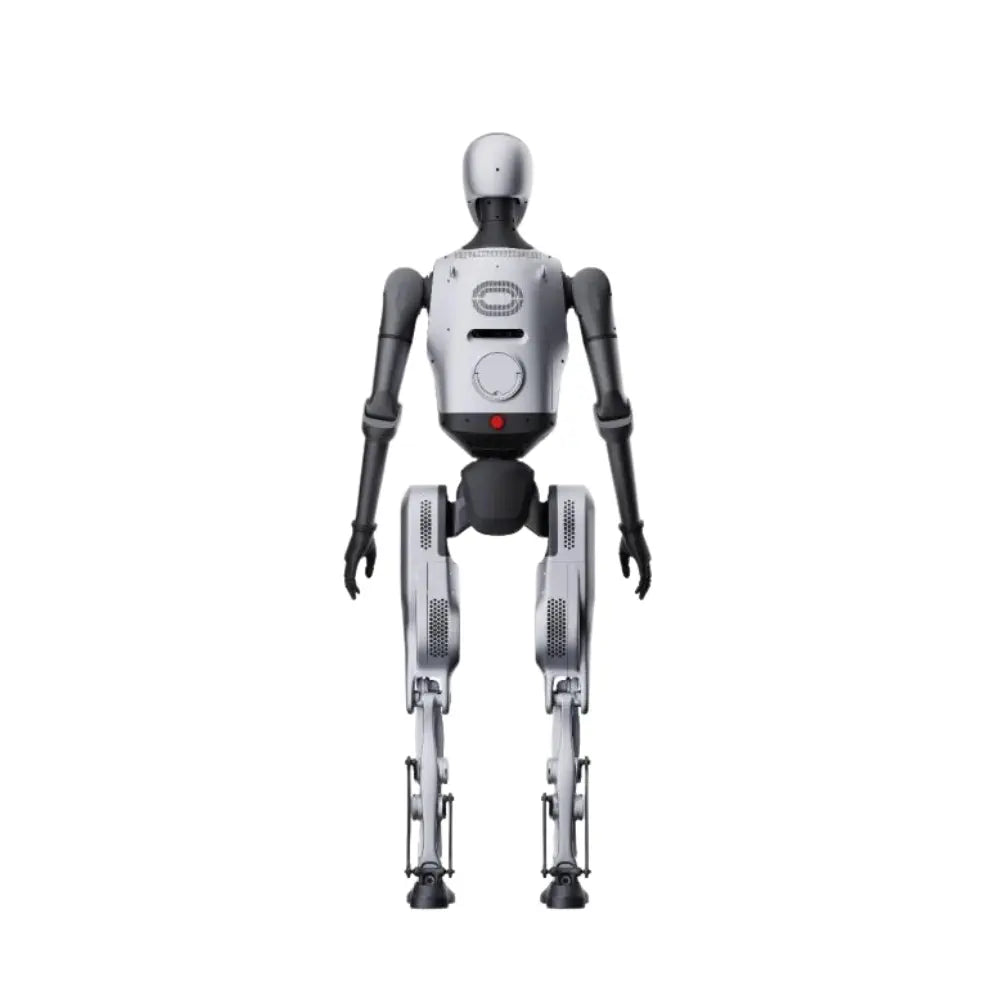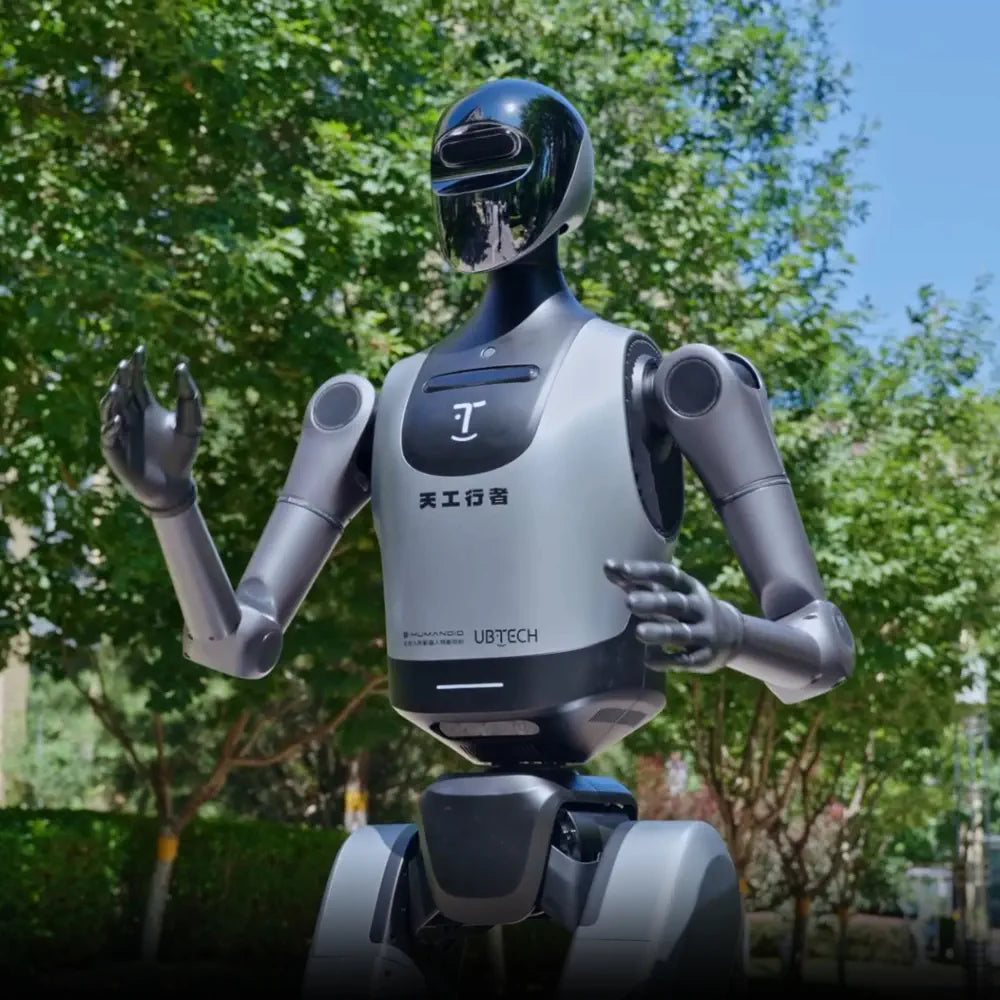
What is the Ubtech Walker X?
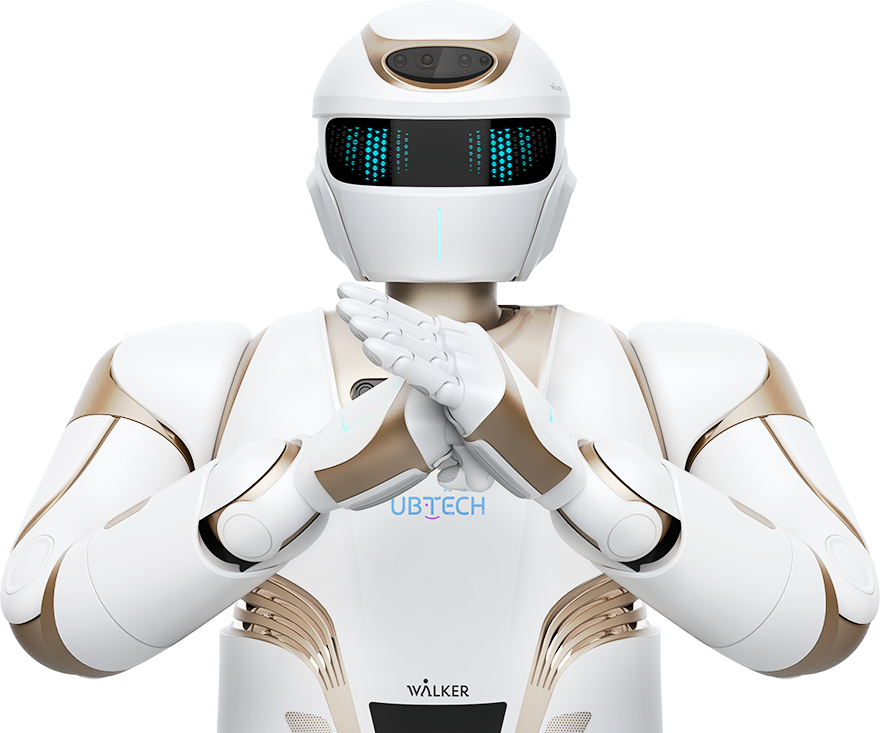
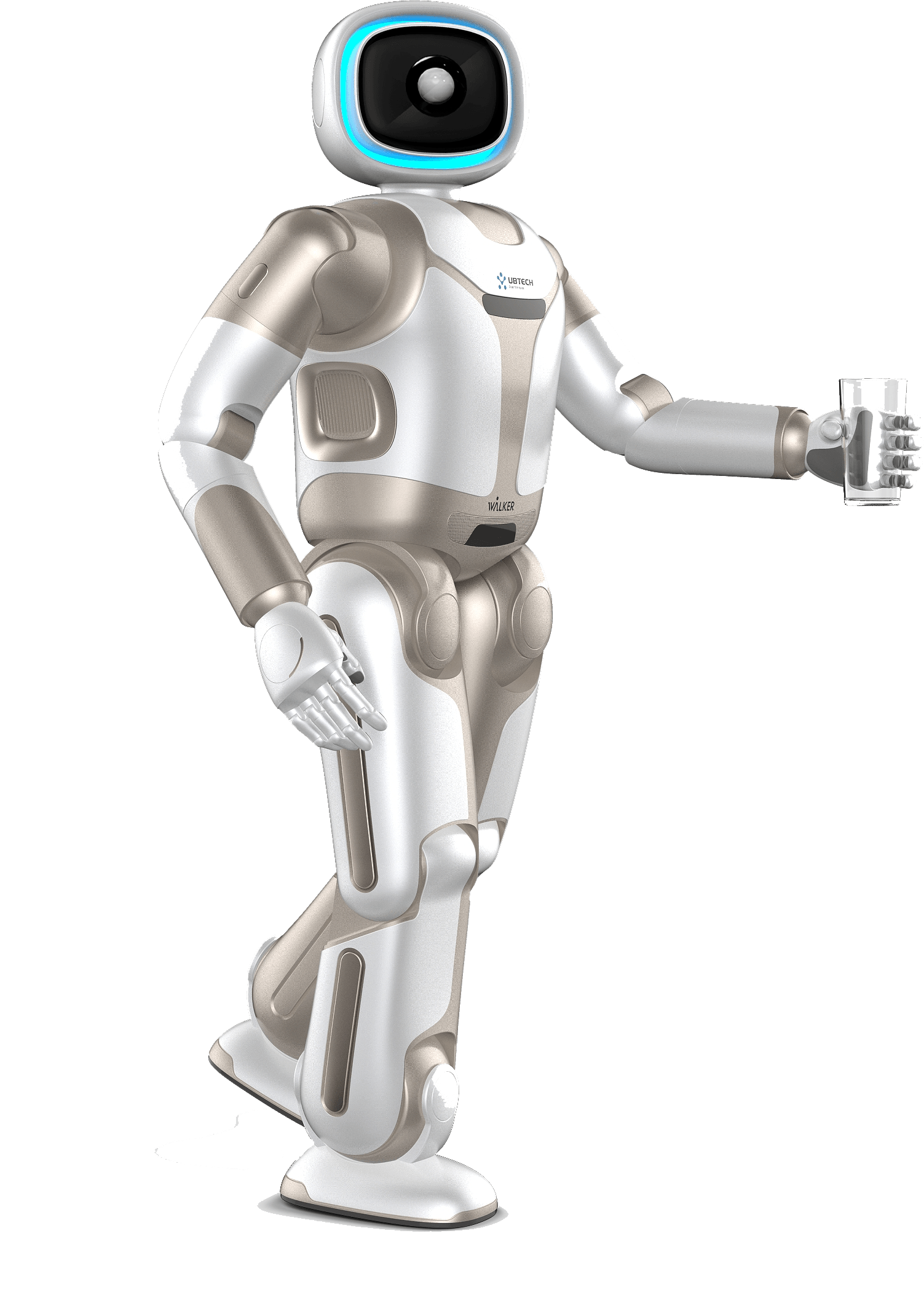
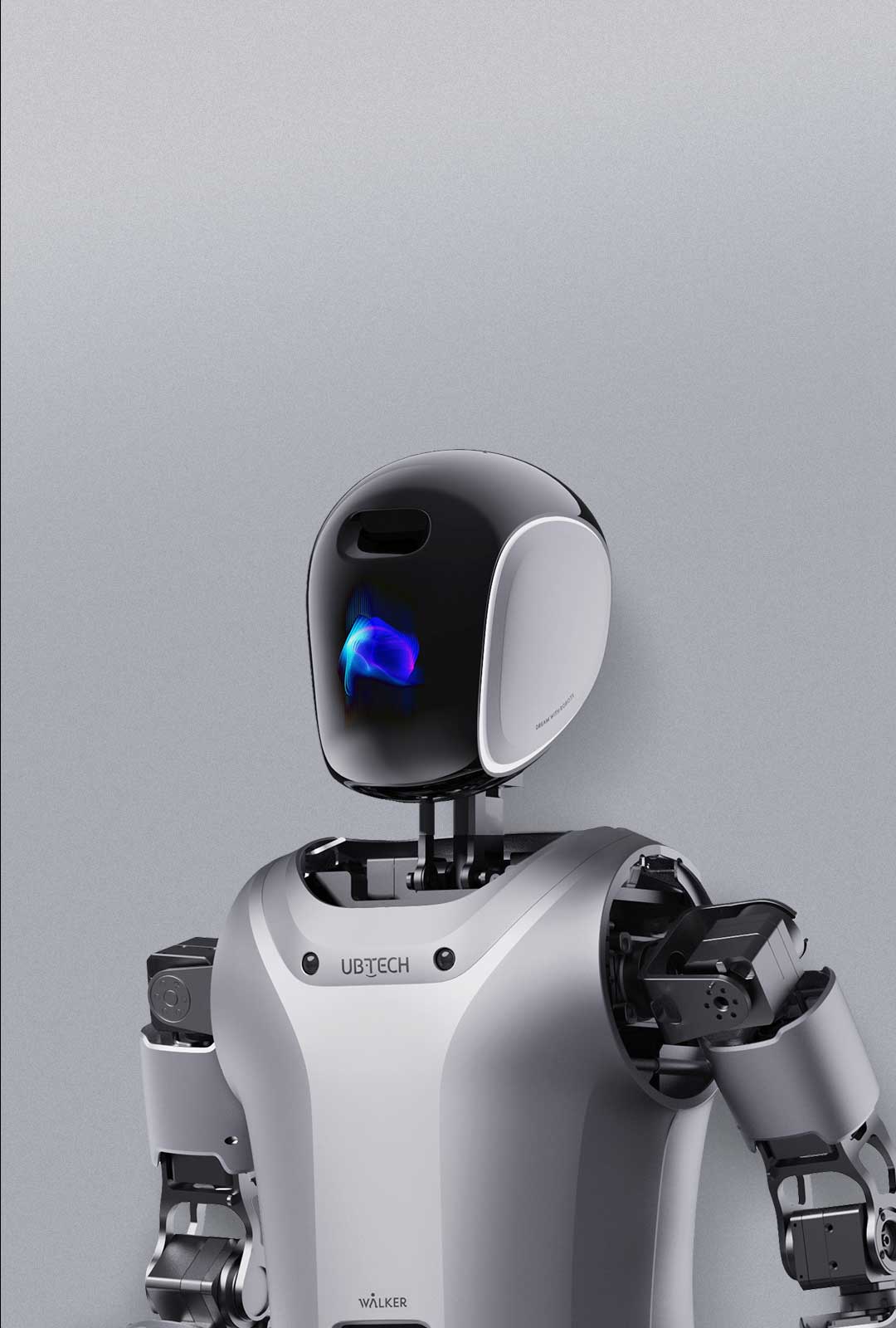
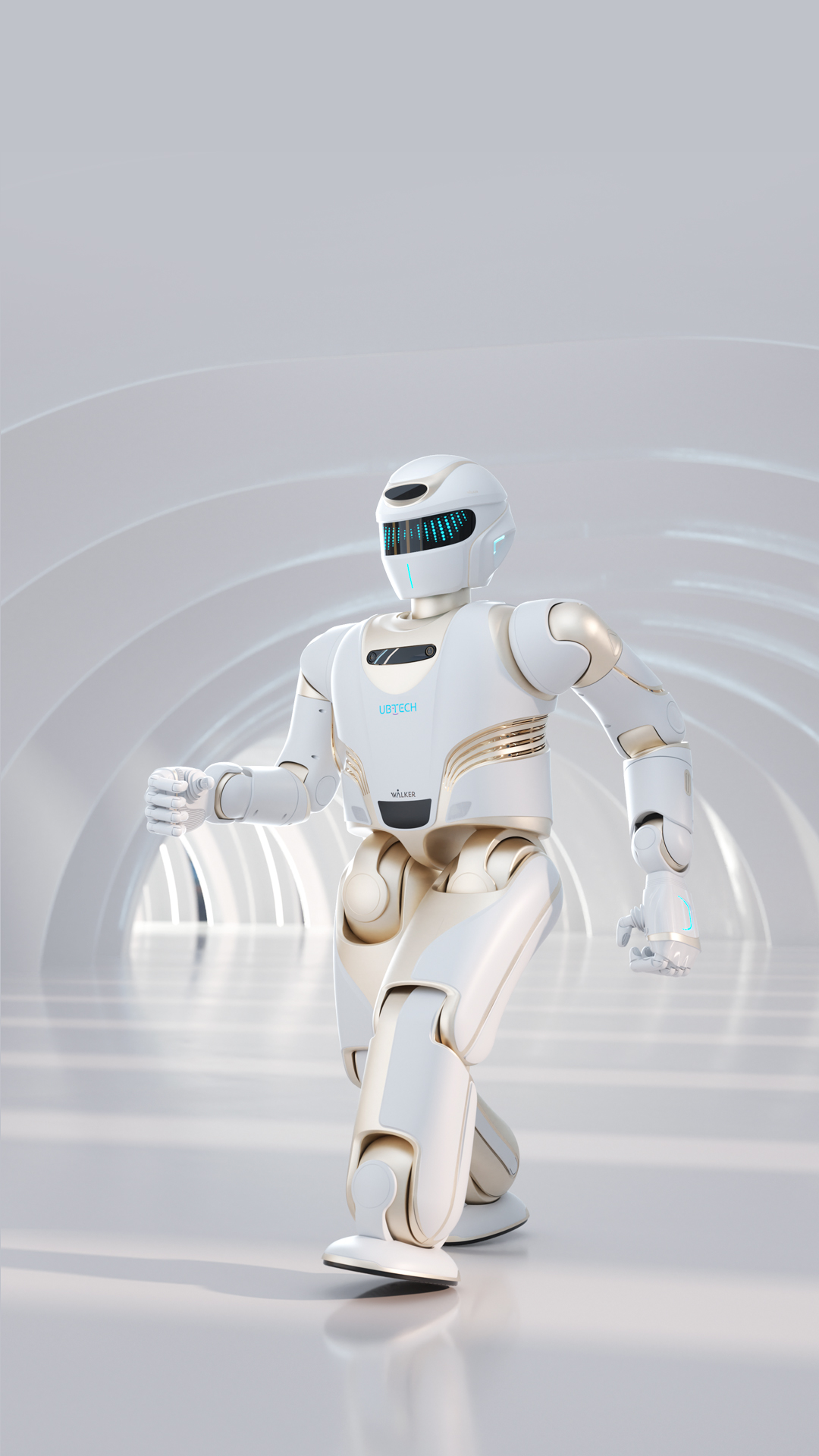
The UBTECH Walker X is a third-generation bipedal humanoid robot developed by UBTECH Robotics, headquartered in Shenzhen, China. Unveiled in 2021, it is designed for research, smart services, exhibitions, hospitality, and healthcare. With 41 degrees of freedom, it walks at up to 3 km/h and manipulates objects using two dexterous hands (1.5 kg payload per arm). The robot runs on an NVIDIA Jetson compute platform with Ubuntu and ROS, integrating LiDAR, depth cameras, IMU, and force-torque sensors for SLAM-based autonomous navigation. Its LCD face screen and voice interaction make it suitable for human-robot interaction studies and public-facing roles.
Specifications
Here are the full technical specifications.
| Spec | Value |
|---|---|
| Height | 1.45 m |
| Weight | 63 kg |
| Degrees of freedom | 41 |
| Battery life | 2 hours |
| Max speed | 3 km/h (0.83 m/s) |
| Payload | 1.5 kg (per arm) |
| Price (new) | ~$75,000 (est.) |
| Price (used range) | Not available (limited secondary market) |
Price & Value
New MSRP: ~$75,000 (est.)
Used range: Not available (enterprise-only, units rarely resold)
UBTECH does not publicly list a price for the Walker X; the ~$75,000 figure comes from third-party resellers and industry estimates. Compared with other bipedal research humanoids like the PAL REEM-C, the Walker X offers competitive dexterity and sensing at a similar price point, though its 2-hour battery life is a limiting factor. Because units are sold on a project basis to enterprises and labs, the used market is thin, making depreciation difficult to predict. Buyers should budget for ongoing maintenance, software licenses, and potential actuator replacements; total cost of ownership over a three-year period may approach the purchase price if used intensively.
Who Is It For?
Best for: - University robotics labs requiring 41 DOF for dexterous manipulation and bipedal locomotion research - Hospitality and exhibition venues that benefit from voice interaction and an expressive face display - Healthcare and elderly care pilots wanting a bipedal assistant for interaction and light fetching tasks
Not for: - Heavy industrial logistics (1.5 kg arm payload limits practical pick-and-place workloads) - Budget-constrained educational programs (new cost is ~$75,000) - Outdoor unstructured environments (bipedal stability remains difficult on uneven terrain)
Alternatives & Comparison
The Walker X competes in the niche of bipedal humanoid research platforms alongside the PAL Robotics REEM-C and, to a lesser extent, future entrants like Tesla Optimus. For service interaction only, wheeled robots like SoftBank Pepper offer a lower-cost alternative but lack bipedal mobility.
| Model | Price | Available | Key Difference |
|---|---|---|---|
| PAL Robotics REEM-C | Undisclosed | yes | Older bipedal research humanoid with fewer sensors, but longer track record in European labs |
| Agility Digit | Undisclosed | yes | Logistics-focused bipedal, faster walking, minimal social interaction features |
| Tesla Optimus | Undisclosed | preorder | Not yet commercially available; aims for general-purpose tasks, still under development |
| Xiaomi CyberOne | Undisclosed | preorder | Research humanoid with similar specs; not released for sale as of 2026 |
Verdict: For labs needing an immediately available bipedal humanoid with robust ROS integration, the Walker X is a strong choice. The REEM-C is a close match but older, while Optimus and CyberOne are not yet purchasable. If bipedal walking is not essential, a wheeled service robot at a fraction of the cost may suffice.
Use Cases & Capabilities
Research & Development
Walker X serves as a versatile platform for humanoid robotics research, covering locomotion, manipulation, and human-robot interaction. Its 41 DOF and ROS compatibility let labs develop and test algorithms for bipedal walking, object grasping, and autonomous navigation. The integrated sensor suite – LiDAR, RGB-D cameras, IMU, force-torque sensors – provides rich data for perception studies. Researchers appreciate the expandable compute (NVIDIA Jetson) for deploying custom AI models. The 2-hour battery life, however, limits continuous long-term experiments without tethering.
Public-Facing Service
In exhibitions, museums, and hotel lobbies, Walker X acts as a guide and interaction agent, leveraging its expressive LCD face and speech capabilities. It navigates crowds using SLAM, answers visitor questions with voice synthesis, and performs simple gestures like handshakes. The bipedal form makes it approachable and engaging. Downsides include the 2-hour runtime, which requires scheduled recharges, and the need for smooth flooring – uneven surfaces can challenge its gait stability.
Smart Home Demonstration
UBTECH has showcased Walker X in mock smart homes, where it performs tasks like turning on lights, opening curtains, and retrieving small items. The robot can integrate with IoT systems via Wi-Fi, demonstrating embodied AI as a home assistant. Arm payload of 1.5 kg allows it to carry drinks or small packages. However, real-world deployment in dynamic homes is still limited by cost and the need for static, pre-mapped layouts; it is primarily a technology demonstrator for enterprises developing assisted living solutions.
History & Background
UBTECH Robotics was founded in 2012 in Shenzhen, China, and gained early recognition with consumer humanoid kits before pivoting to enterprise robots. The Walker series began with the original Walker in 2018, followed by Walker 2 in 2019. The Walker X, unveiled in 2021, is the third generation, introducing improved dexterity (41 DOF), a face display, and better sensor fusion. Although UBTECH has since launched industrial humanoids (Walker S, S1, S2), the Walker X remains in production for research and service sectors, available directly from UBTECH on a project basis.
Buying Used — What to Check
Verify battery health 2-hour runtime can degrade to under 1 hour with aged packs; replacement batteries may cost several thousand dollars.
Check actuator and gear wear 41 servos require periodic maintenance; uneven gait or noisy joints indicate pending actuator failure.
Confirm sensor calibration & software licenses LiDAR and cameras may need factory recalibration; software and AI stack licenses may not transfer without UBTECH approval.