What is the Ubtech Walker?
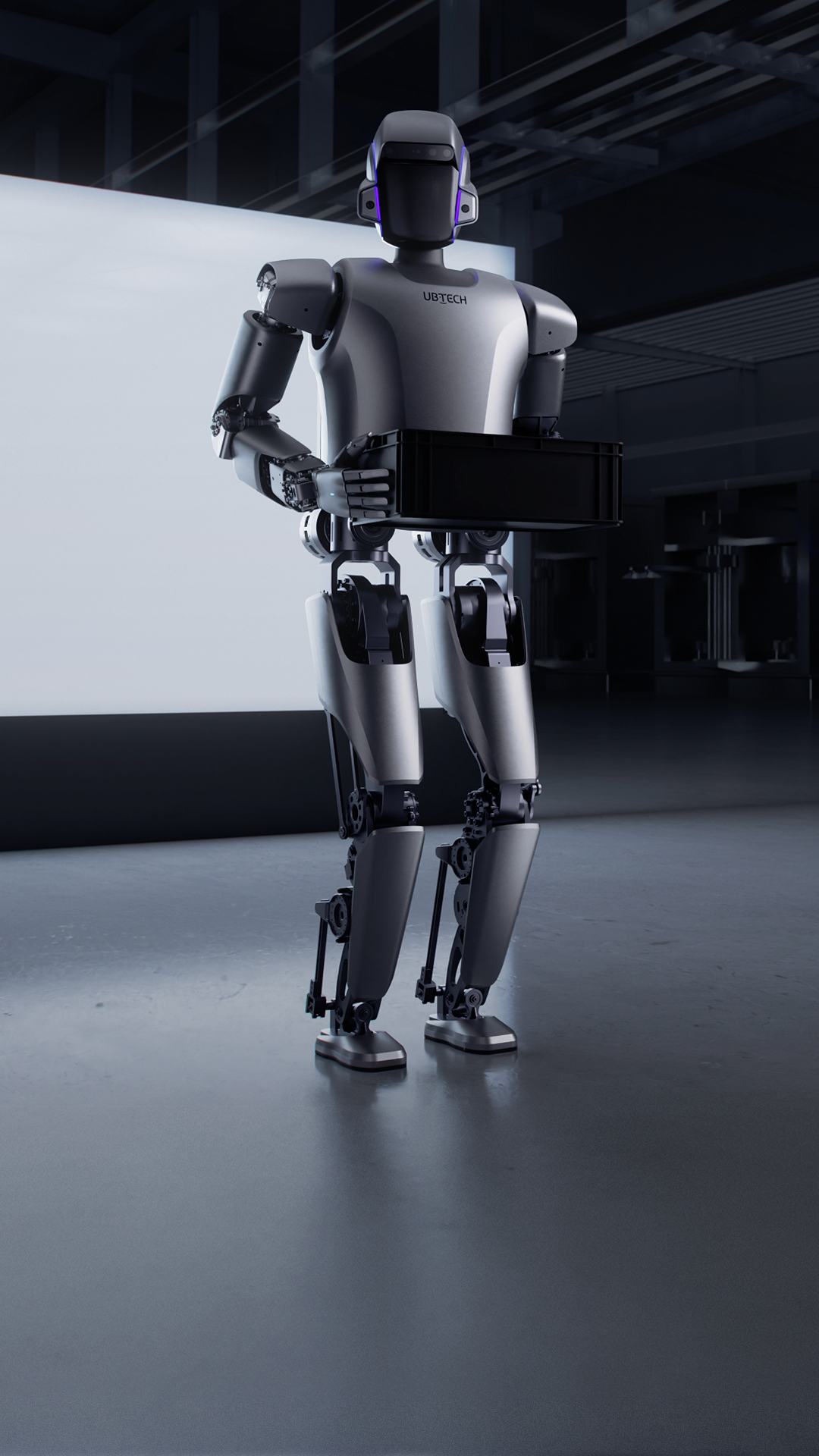
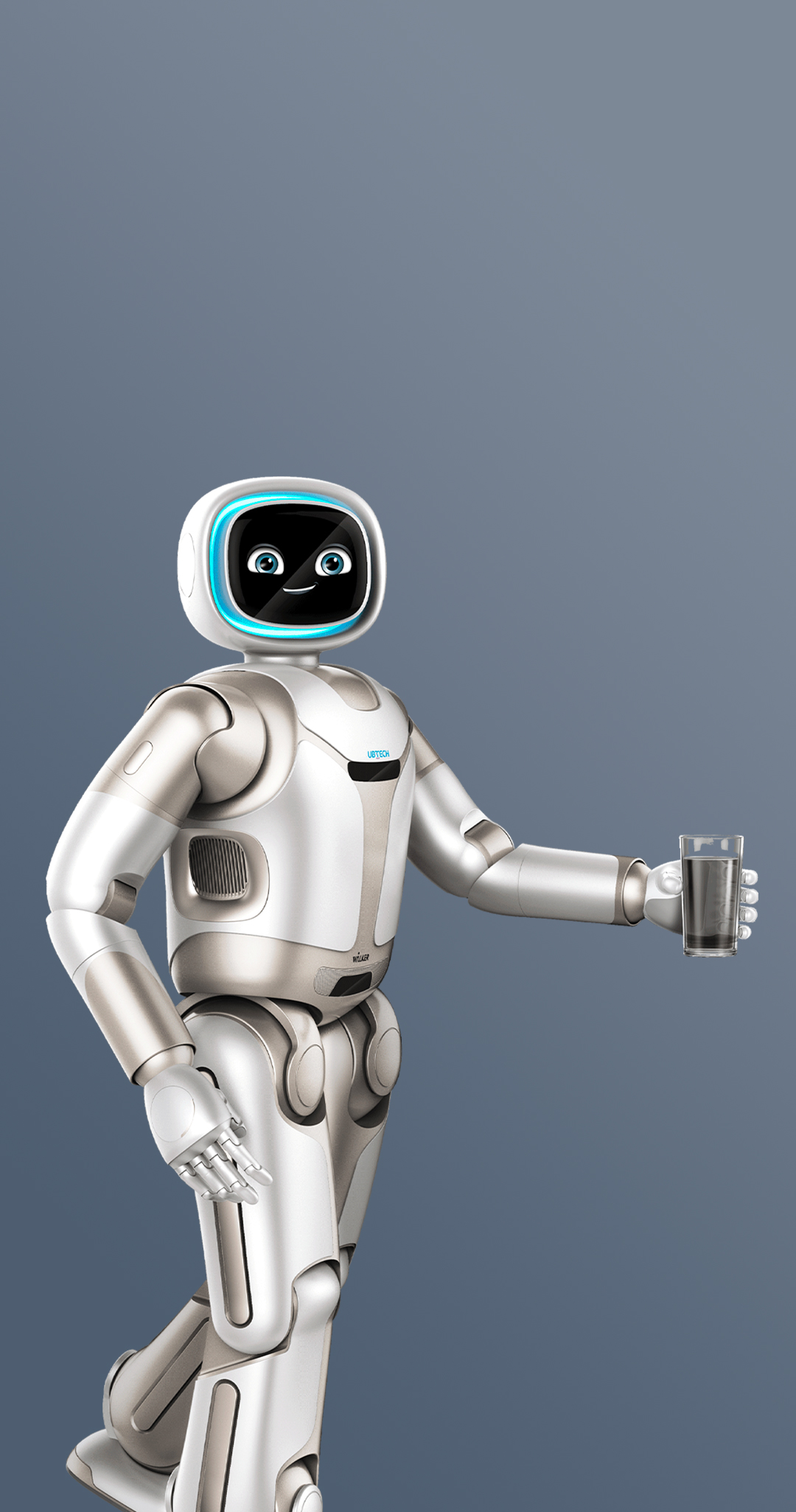
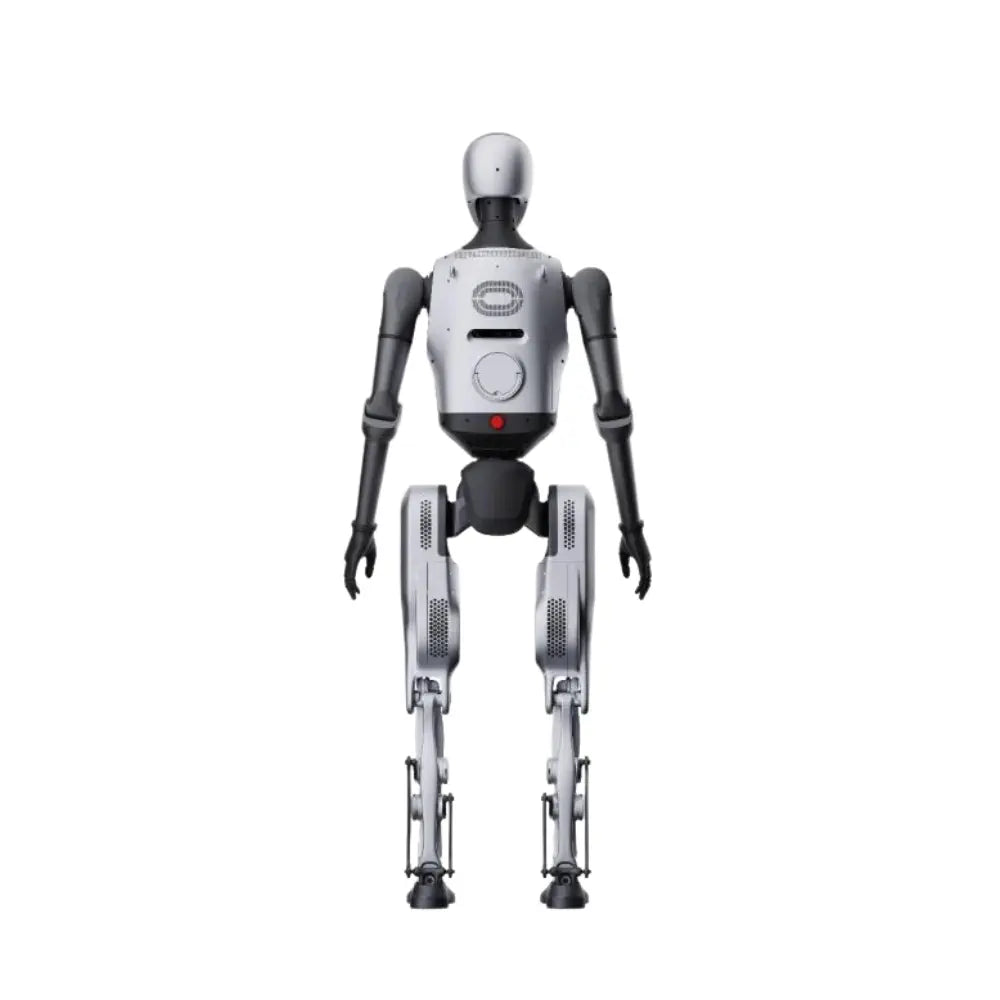
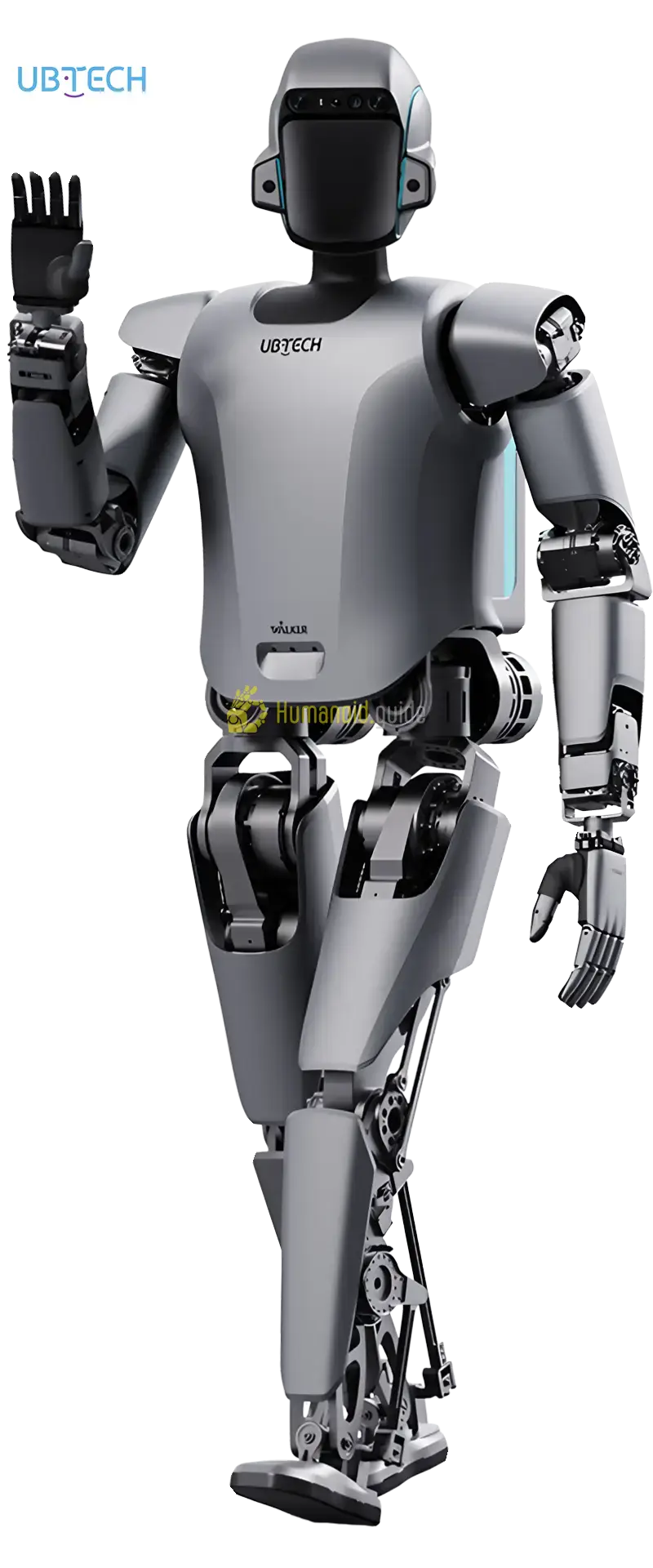
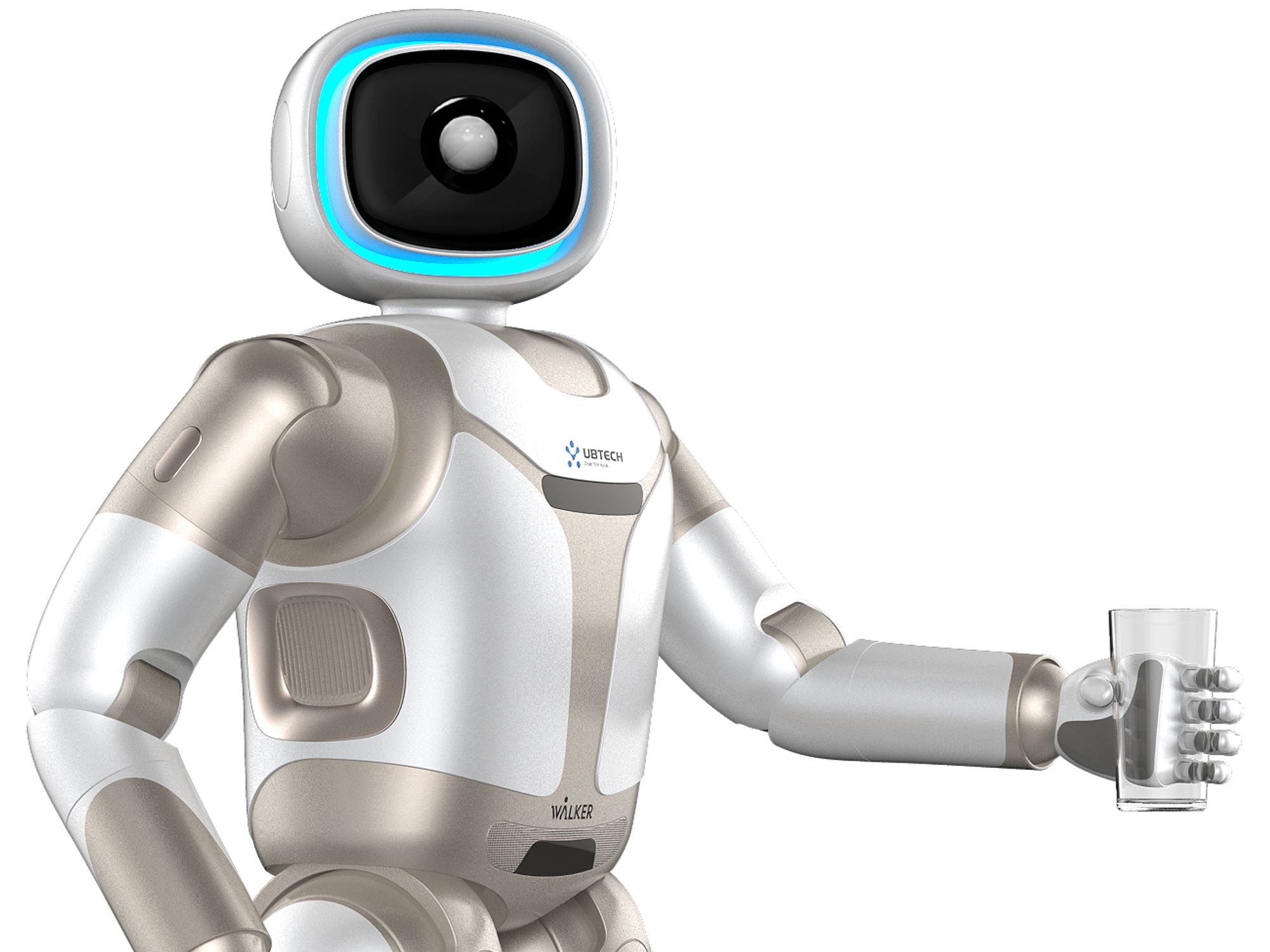
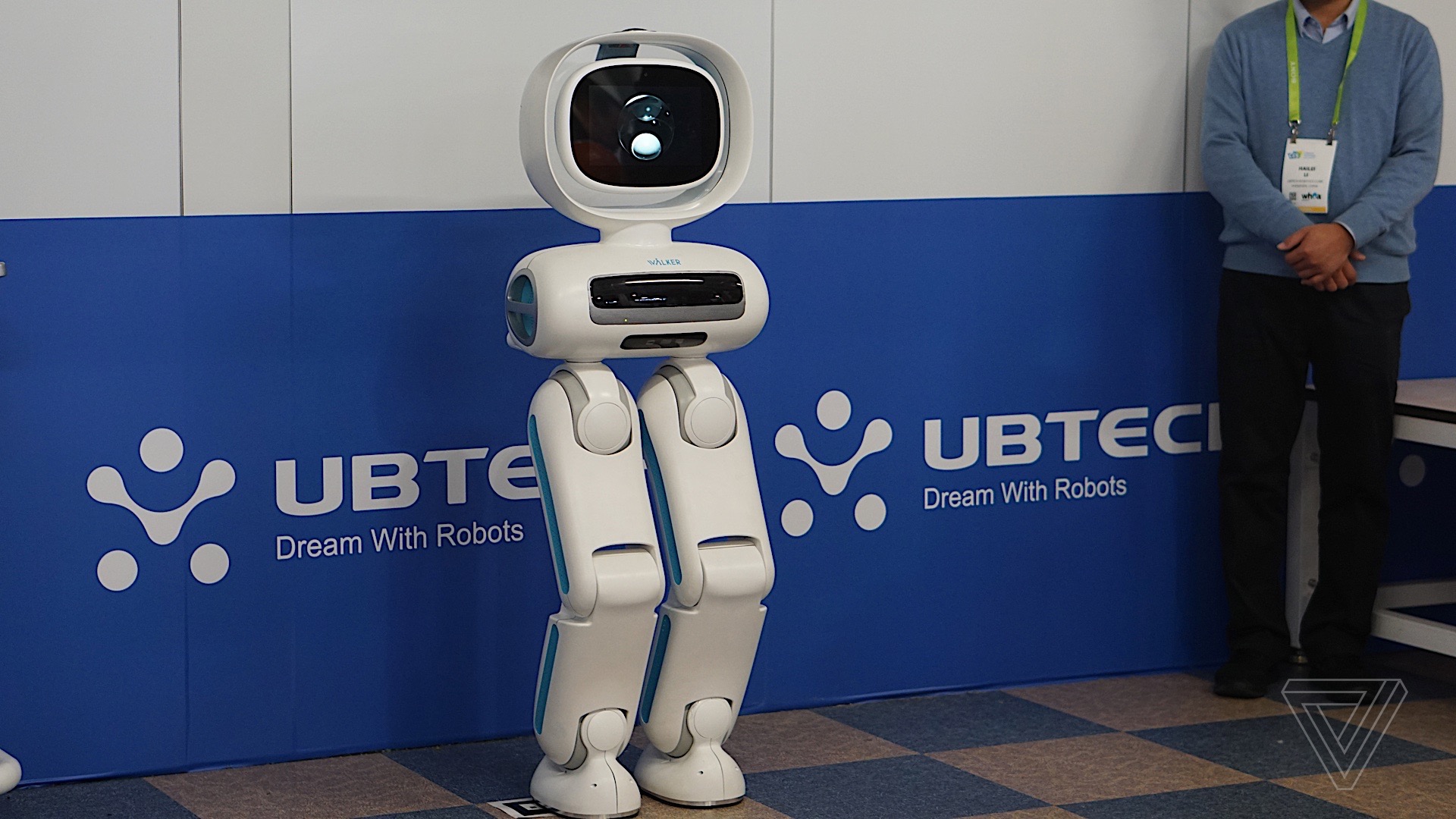
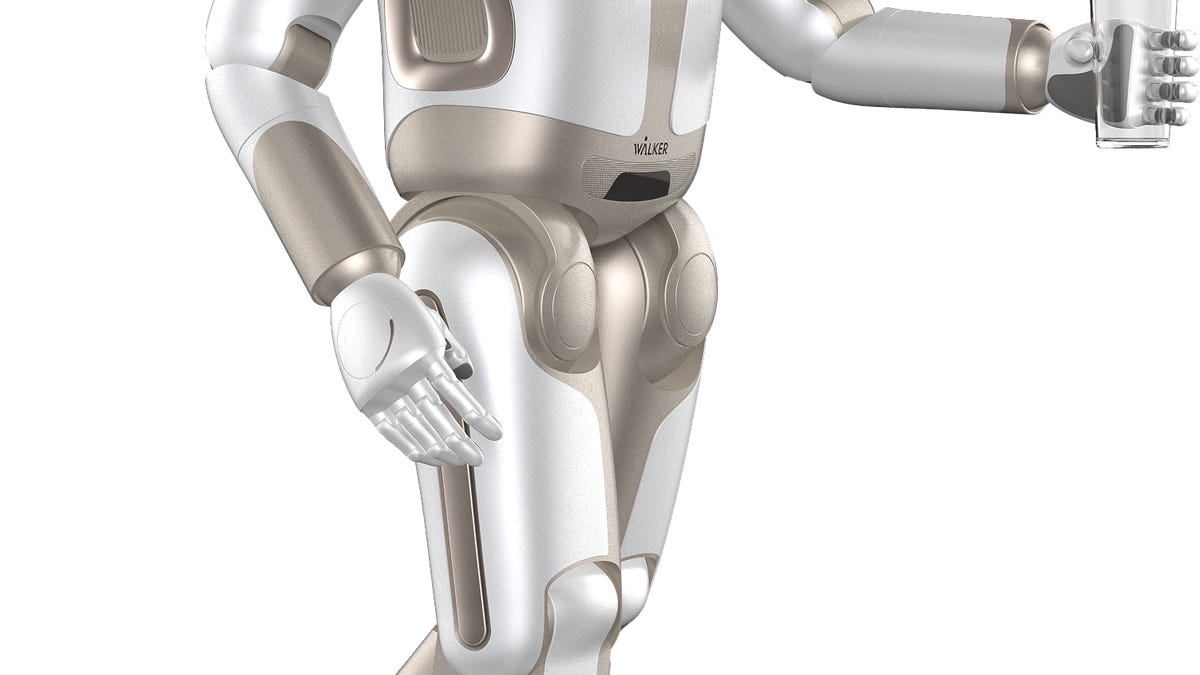
The UBTECH Walker is a full-sized bipedal humanoid robot designed by UBTECH Robotics, a Shenzhen-based company founded in 2012. Released in 2018, it was one of the early consumer-oriented humanoid robots aimed at homes, offices, and public spaces. Walker combines electric servo actuation, RGBD cameras, ultrasonic sensors, and a voice interaction system to navigate environments, climb stairs, and perform simple object manipulation. With 36 degrees of freedom and a payload capacity of 2 kg, it targeted personal assistance and social interaction tasks, distinguishing itself from wheeled competitors like Pepper by offering true bipedal locomotion. However, the original Walker is no longer in production, with UBTECH now focusing on later Walker S series models for industrial applications.
Specifications
Here are the full technical specifications.
| Spec | Value |
|---|---|
| Height | 1.45 m |
| Weight | 77 kg |
| Degrees of freedom | 36 |
| Battery life | 2 hours |
| Max speed | 1.8 km/h |
| Payload | 2 kg |
| Price (new) | $30,000 |
| Price (used range) | N/A (no active market) |
Price & Value
New MSRP: $30,000
Used range: N/A
UBTECH priced the original Walker at $30,000 at launch in 2018, targeting early adopters and research institutions. While it offered bipedal walking, stair climbing, and a full humanoid form factor, its limited payload (2 kg) and 2-hour battery life made it more a proof of concept than a commercial workhorse. Comparable humanoids of the era like the SoftBank Pepper (wheeled, ~$20,000) were less mobile but more established. Today, used Walker units are rare and would likely sell at a steep discount from original MSRP due to obsolescence and the lack of parts or software support. Total cost of ownership would have been low relative to industrial humanoids, but ongoing maintenance and battery replacements would be necessary.
Who Is It For?
Best for: - Early adopter hobbyists collecting legacy humanoid robots - Museums or technology exhibitions showcasing the evolution of bipedal robots
Not for: - Industrial or commercial applications (payload only 2 kg, no certified safety features) - Users seeking active manufacturer support or software updates (discontinued model)
Alternatives & Comparison
When the Walker launched in 2018, it competed against other service humanoids like the SoftBank Pepper and early industrial bipeds. Today, the remaining units are curiosities compared to modern alternatives.
| Model | Price | Available | Key Difference |
|---|---|---|---|
| SoftBank Pepper | $20,000 (original) | discontinued | Wheeled social robot, no bipedal walking, lighter and lower cost |
| Unitree H1 | $90,000 | yes | Industrial humanoid with much higher payload (est. 15 kg), faster, and actively supported |
Verdict: For anyone seeking a vintage humanoid with bipedal walking for display or historical study, the UBTECH Walker remains a fascinating piece. However, if the goal is practical deployment, the Unitree H1 offers dramatically better payload, speed, and manufacturer backing at a higher price. The Walker's $30,000 price point made it more accessible than $90k+ industrial humanoids, but its capabilities are now eclipsed. Those on a budget and needing only social interaction might still find used Pepper units a better value.
Use Cases & Capabilities
Personal Assistant in Homes
Walker was designed to assist in domestic environments, fetching lightweight objects, reminding users of schedules, and providing basic monitoring. Its bipedal locomotion allowed it to navigate stairs, a notable advantage over wheeled helpers, though the 2 kg payload limited it to small items like books or tablets. Voice interaction and an LED face display gave it a social presence, but the 2-hour battery life meant it could not patrol a home continuously. Early reviewers noted that while the robot could walk stably on flat surfaces, thick carpets or cluttered rooms posed challenges.
Office Reception and Guidance
In an office setting, Walker could greet visitors, provide directions, and deliver messages between rooms. The ability to climb stairs was valuable in multi-story buildings, and its RGBD cameras allowed it to map and navigate corridors autonomously. Social features like speech recognition and expressive face LEDs made it engaging for reception duties. However, high noise environments could interfere with voice commands, and the lack of secure payload handling made it unsuitable for delivering sensitive documents. The 1.8 km/h walking speed was slow for large office complexes.
Research and Education Platform
Experimentation with bipedal locomotion, human-robot interaction, and sensor fusion made Walker valuable for university labs. Researchers appreciated its open UBTECH Robotics OS (Linux-based) and ROS compatibility, which allowed custom programming and integration with existing tools. The 36 DOF afforded a rich set of movements for studying gait algorithms and arm coordination. However, limited documentation and the short battery life were common frustrations. Despite those drawbacks, several institutions used Walker to advance bipedal control before more powerful platforms emerged.
Trade Show and Event Demonstrations
Walker frequently appeared at CES and other tech events, where its stair-climbing routine and wave gestures attracted crowds. The polished white design and LED face made it photogenic and ideal for creating memorable brand moments. Event organizers valued its ability to autonomously navigate a predetermined path and interact with attendees through pre-loaded scripts. The 2-hour runtime was sufficient for short demos, but continuous all-day showings required frequent charging or battery swaps, a logistical obstacle. Despite being a showpiece, it struggled with large, dynamic crowds due to limited real-time obstacle avoidance compared to modern robots.
Collector’s Item for Robotics History
As one of the first commercially offered bipedal humanoids, the original Walker now holds historical significance. Robotics hobbyists and museums seek out units to illustrate the rapid evolution of humanoid technology from 2018 to today. Restoring and maintaining a used Walker can be a passion project, though spare parts and software support are no longer available from UBTECH. Owners must rely on community forums and custom modifications to keep the robot operational. Despite the hassle, a functioning Walker commands a premium among collectors as a milestone in consumer humanoid robotics.
History & Background
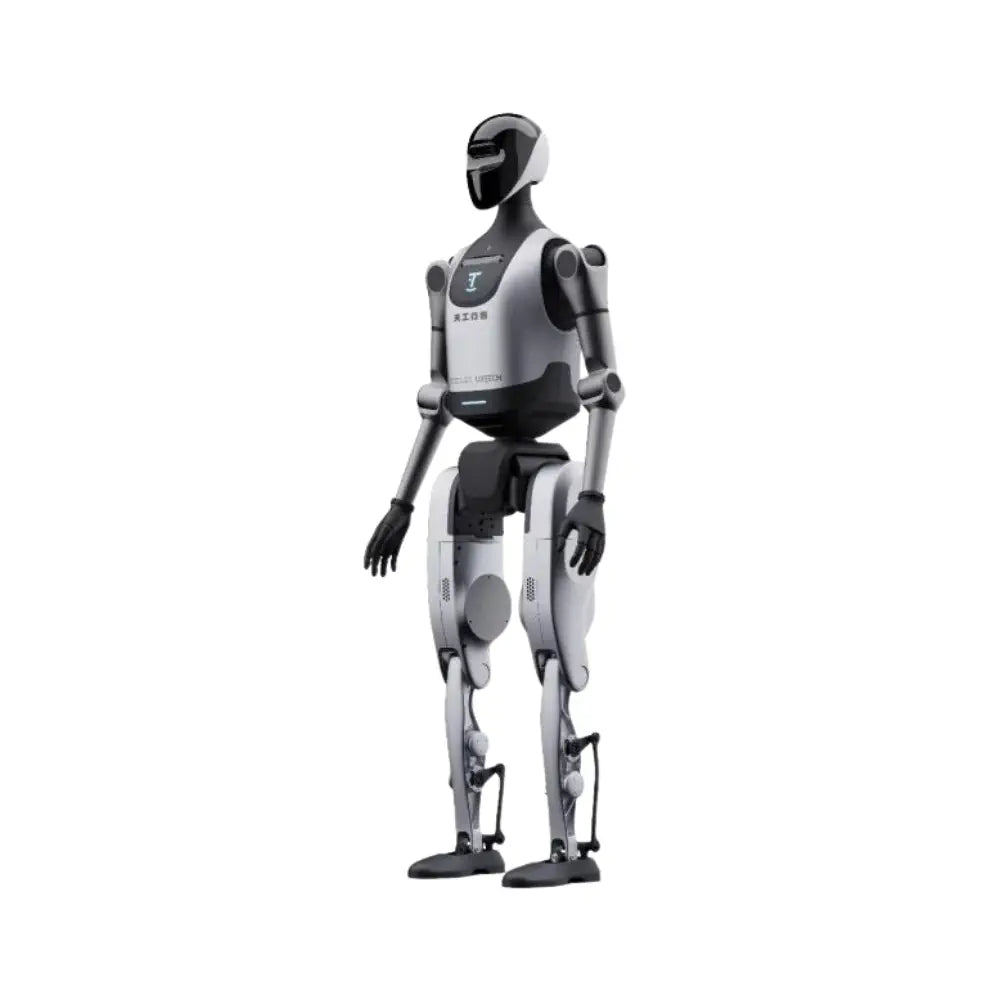
UBTECH Robotics was founded in 2012 in Shenzhen, China, best known for its Alpha and Jimu educational robots. The Walker humanoid project was first unveiled at CES 2018, showcasing a bipedal robot capable of walking, climbing stairs, and simple hand gestures. It represented UBTECH's push into service robotics. Over time, the Walker family expanded: the compact Walker C (140 cm, 20 DOF) targeted confined spaces like server rooms; the Walker S (170 cm, 41 DOF) was the first humanoid deployed in BYD and Geely automotive factories; the Walker S2 (176 cm, 52 DOF, 15 kg payload) added improved stability and higher carrying capacity. The original Walker was discontinued as UBTECH shifted concentrate to industrial humanoids, with no further direct sales. As of 2026, the company continues to develop the Walker S line while the original model remains a collector's item symbolizing earlier ambitions in home robotics.
Buying Used — What to Check
Verify battery condition Batteries may have degraded after years of disuse; replacements are not commercially available.
Check for software updates UBTECH no longer supports the original Walker, so the robot may be locked to its last known software version.
Inspect actuators and joints Electric servo actuators may have wear; spare parts are likely unavailable.