What is the Unitree H2?
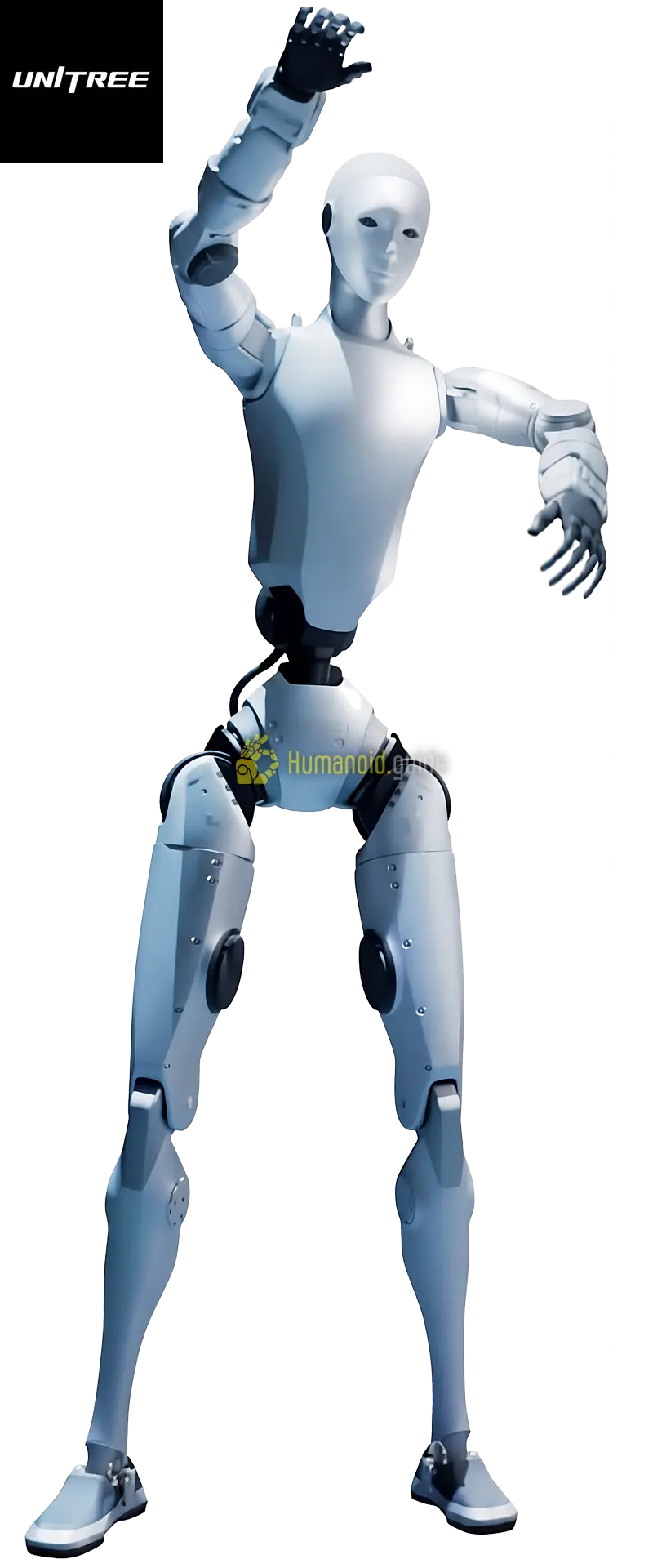
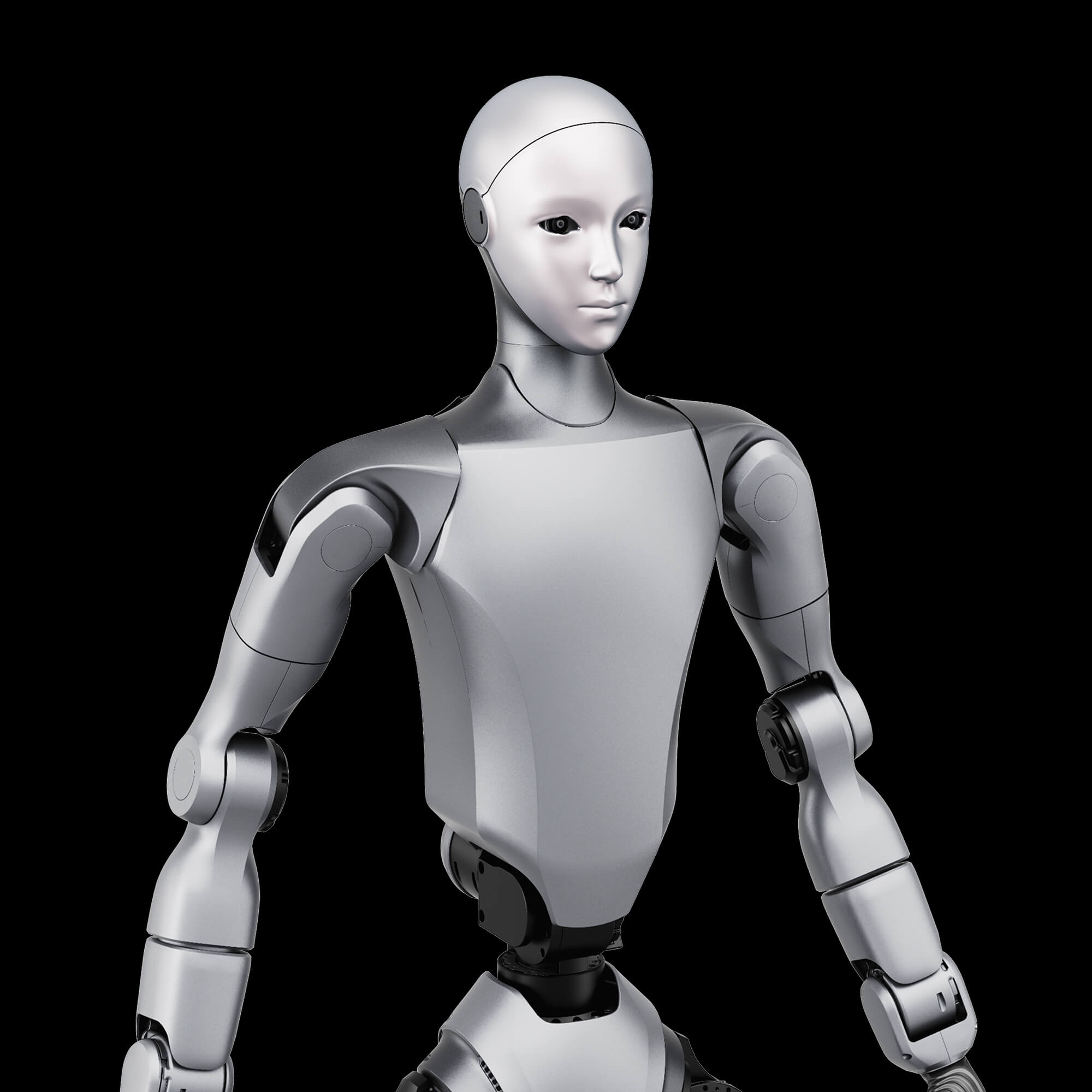
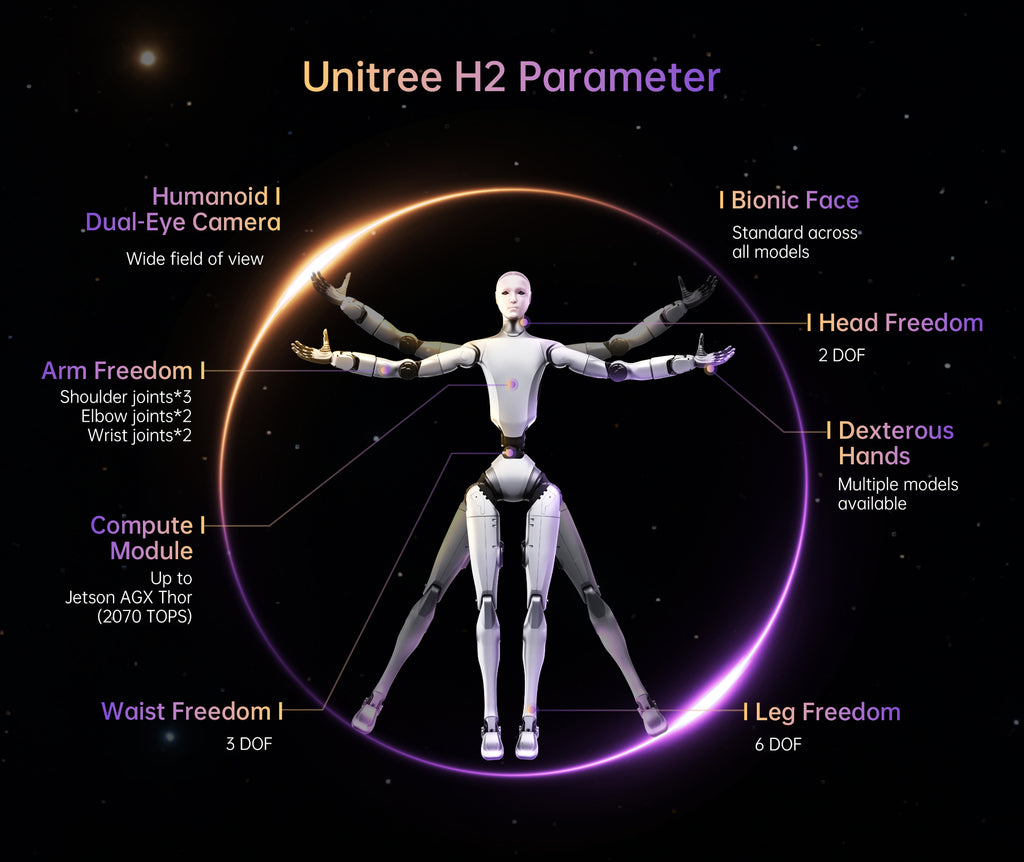
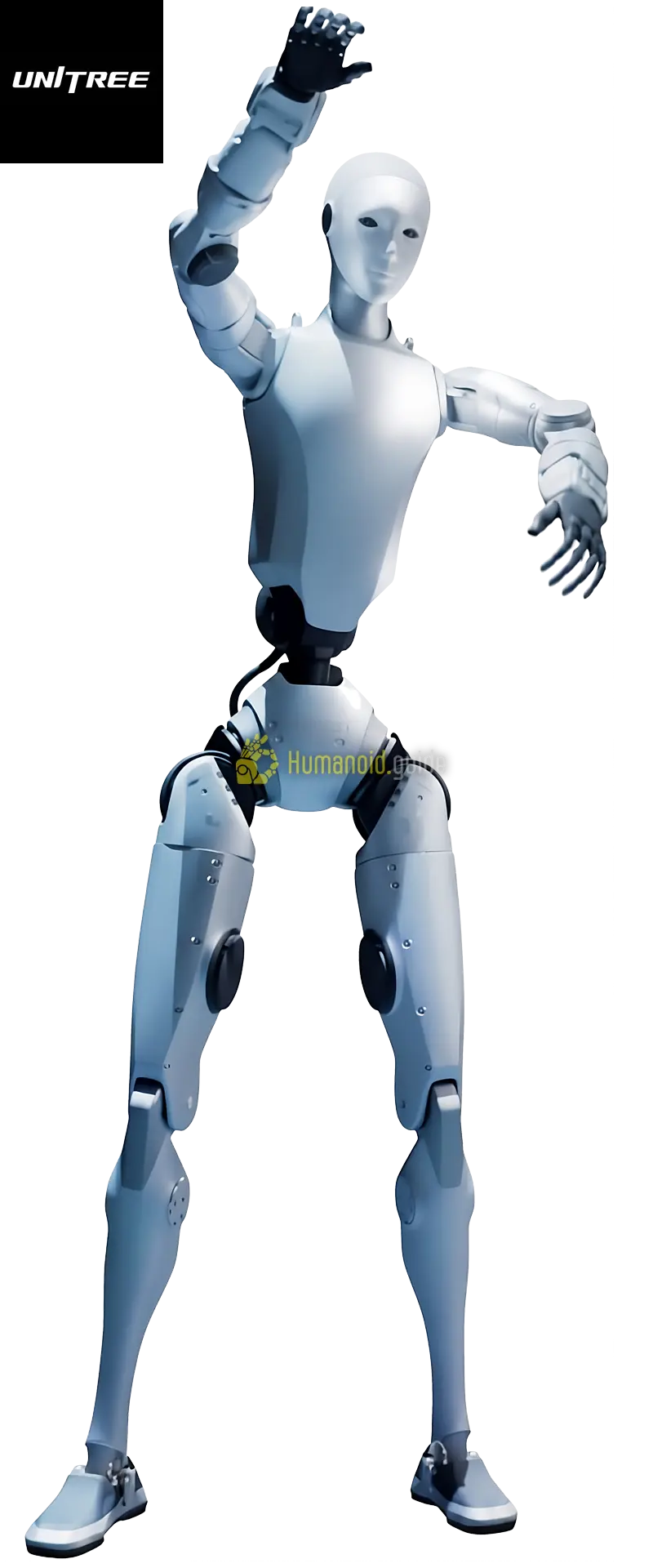
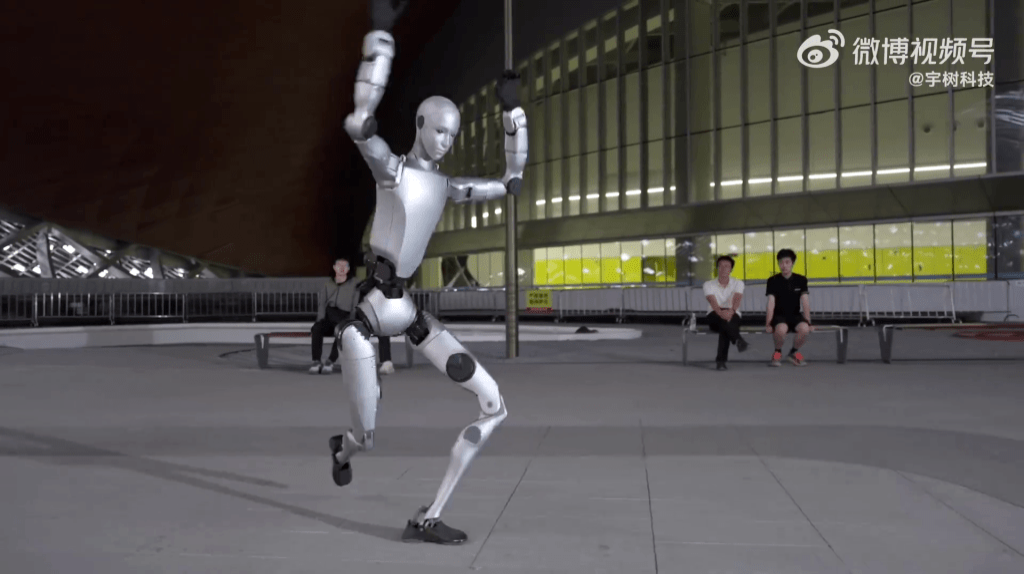
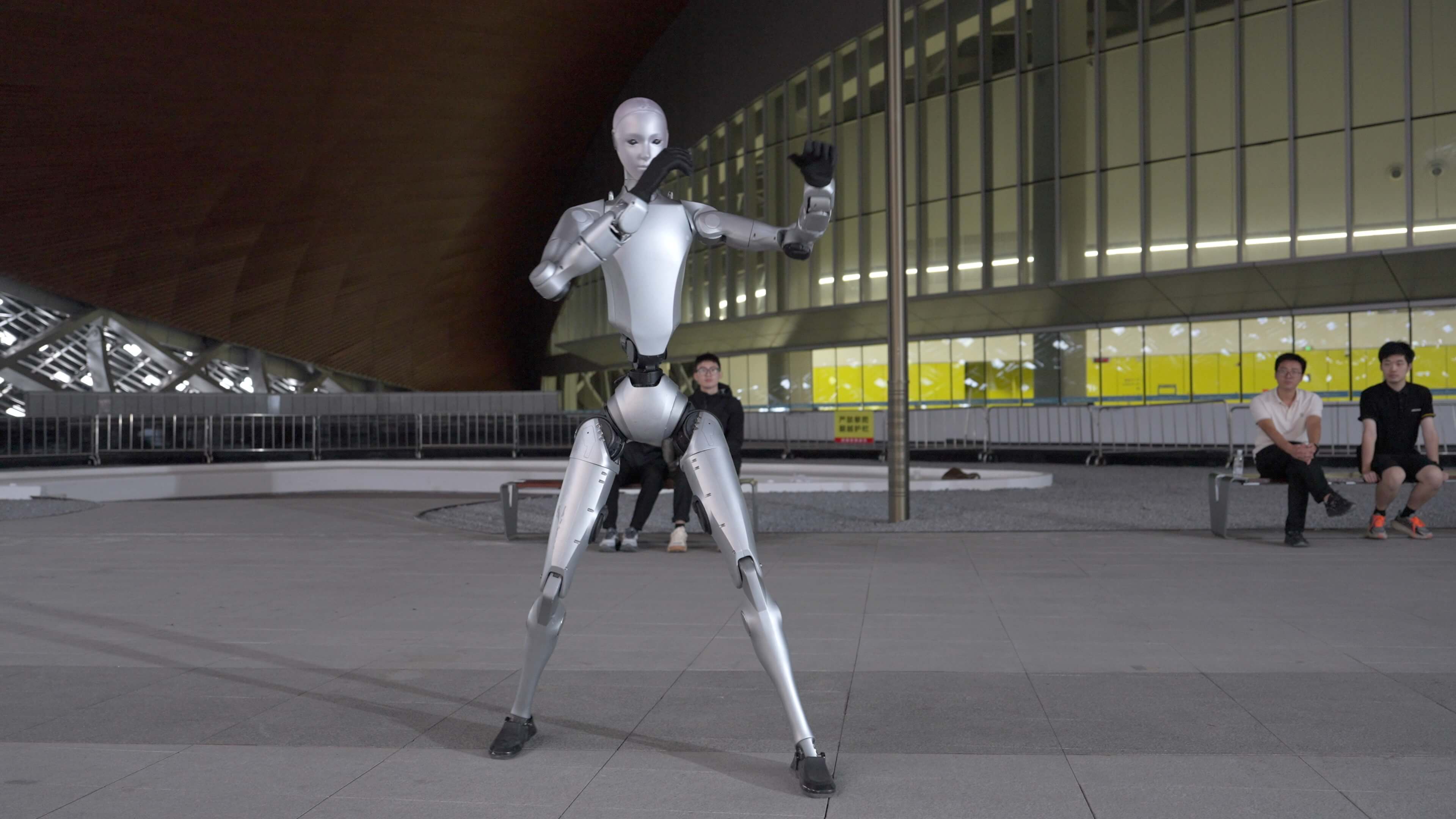
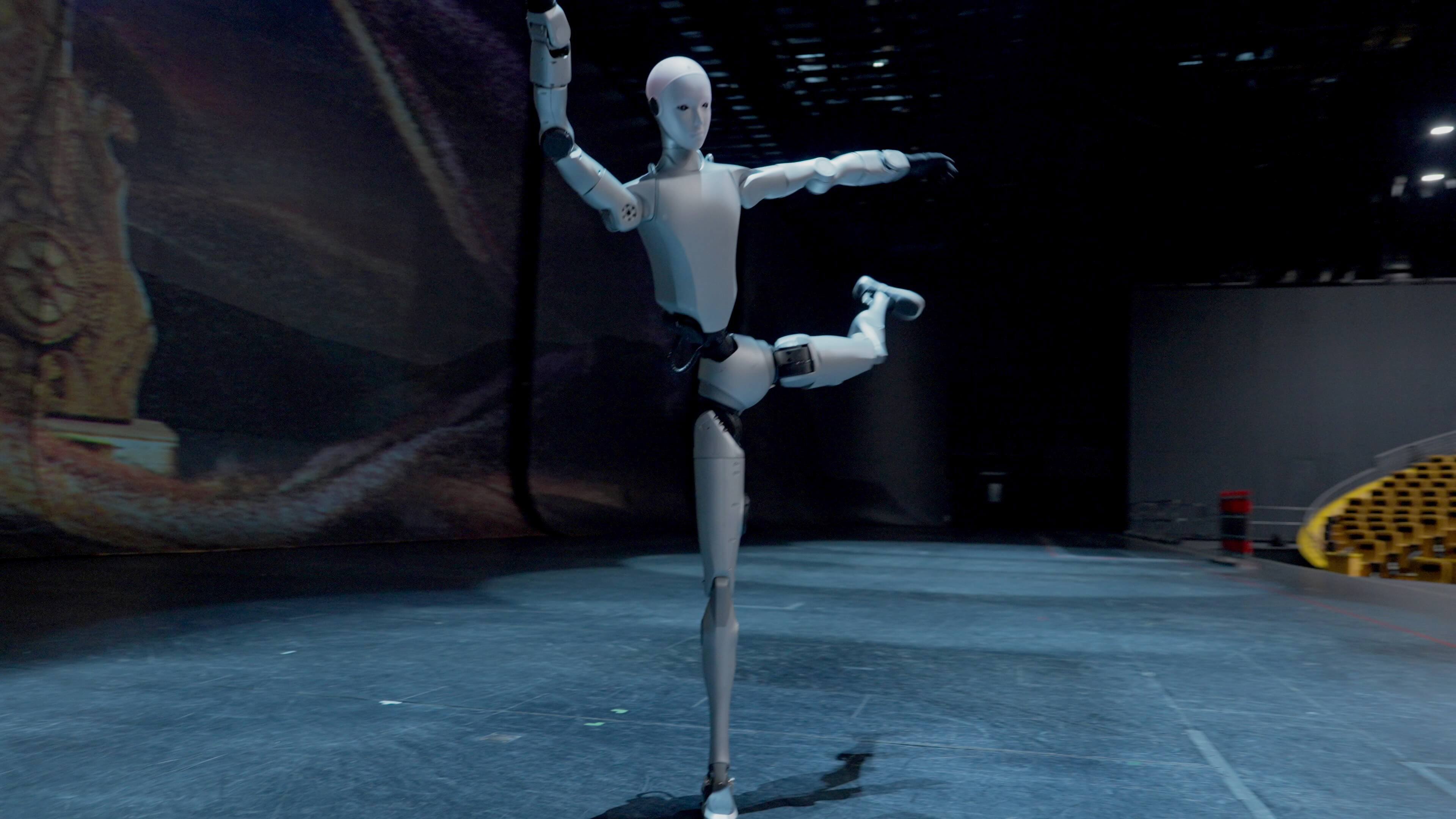
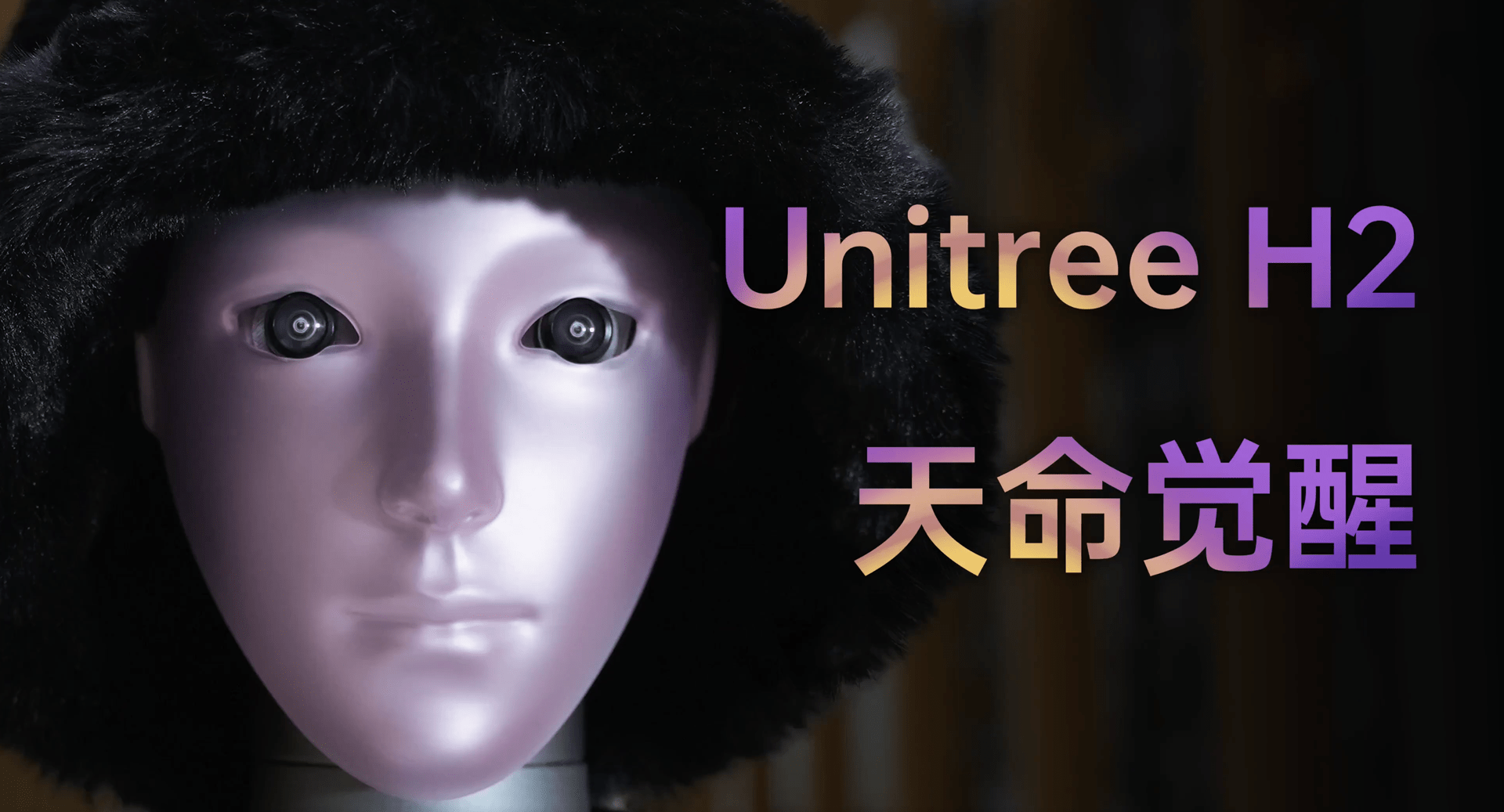
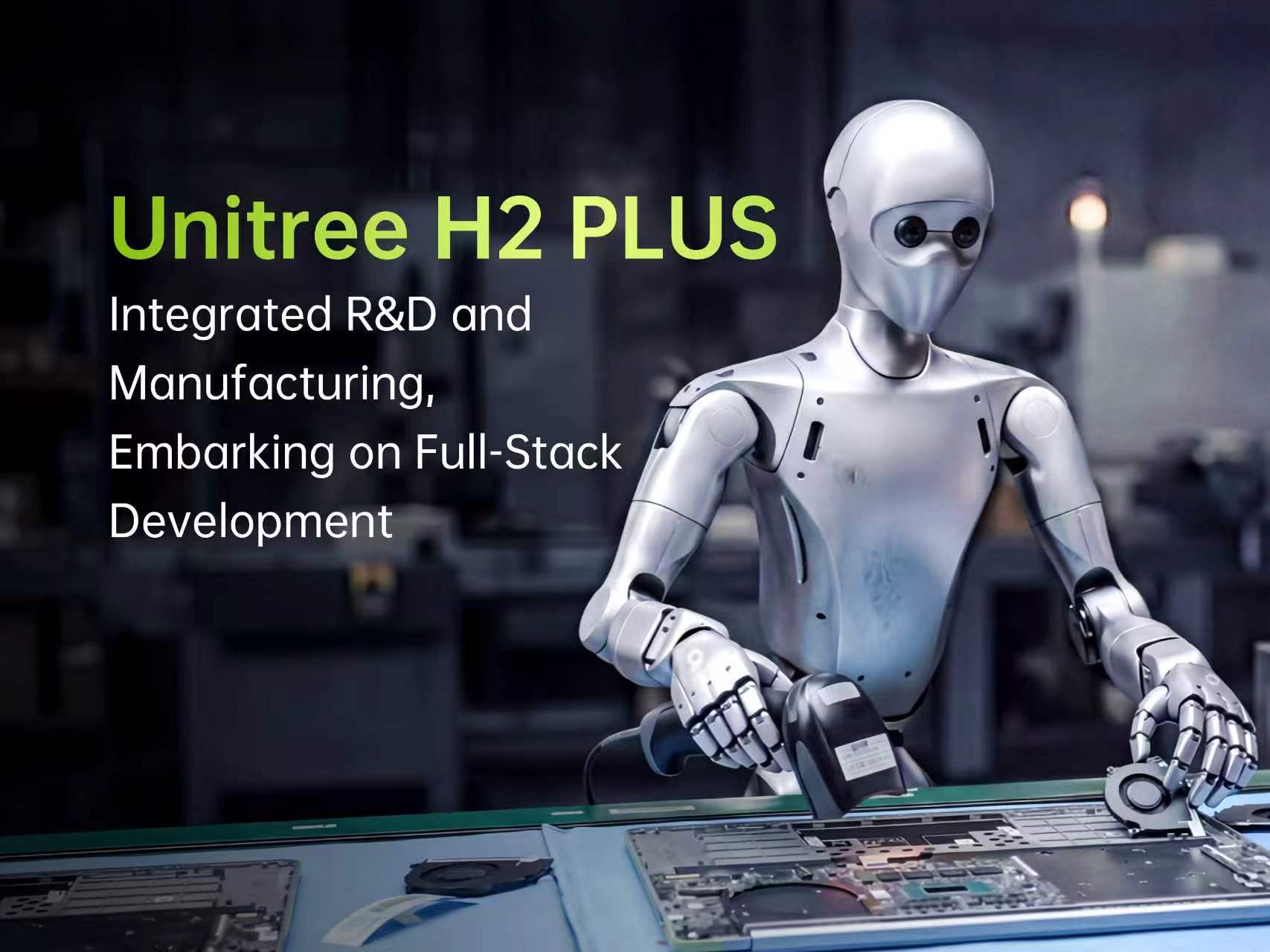
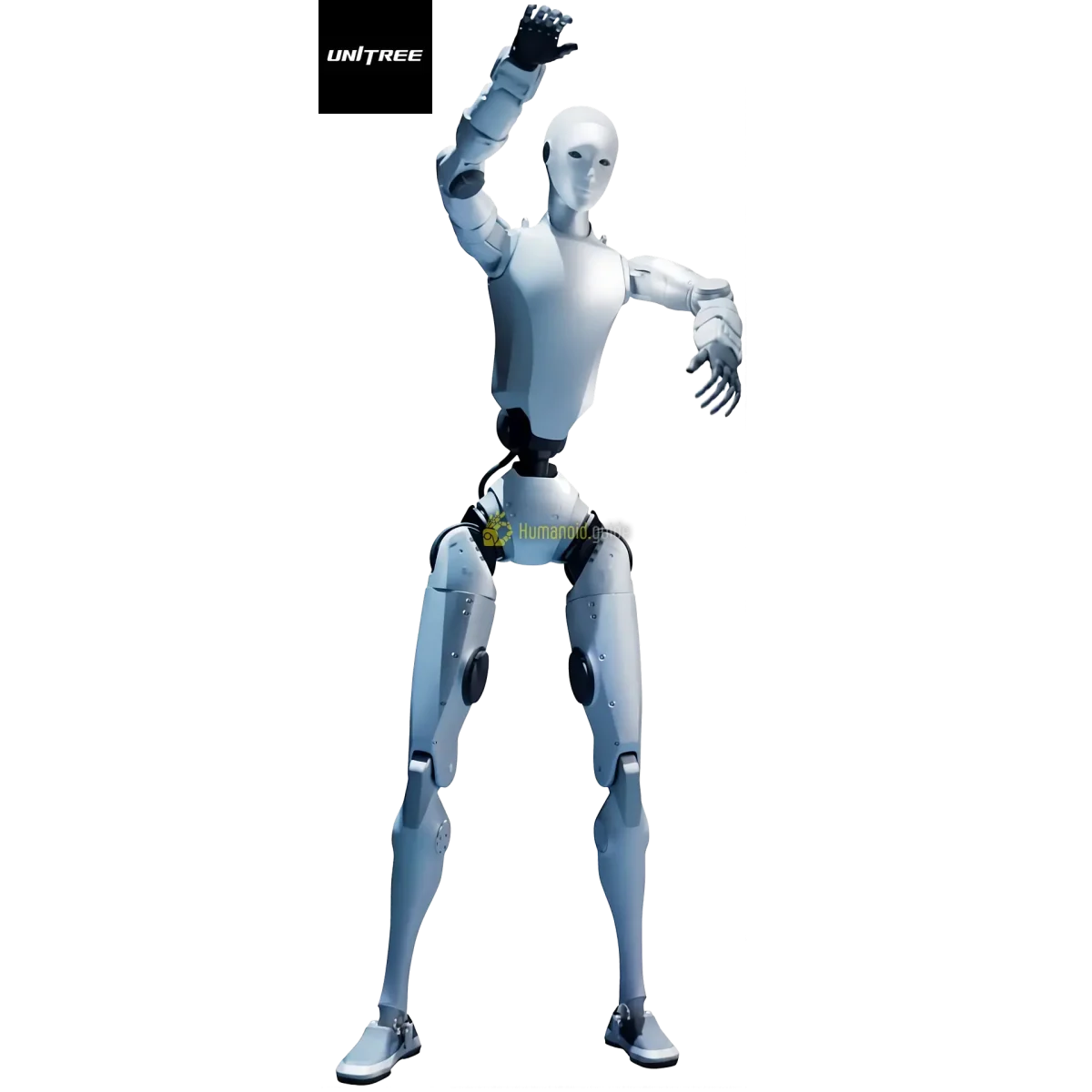
The Unitree H2 is a full-size humanoid robot developed by Unitree Robotics, headquartered in Hangzhou, Zhejiang, China. Announced as the successor to the H1, the H2 adds more torso and arm degrees of freedom (31 total DOF) for improved manipulation, a bionic head with facial features — a first for Unitree — and a higher walking speed of up to 5.4 km/h. It is aimed at commercial service, research, entertainment, and education. Equipped with a dedicated AI chip providing 2,070 TOPS, it supports diverse intelligent models and voice interaction. The robot made headlines with dynamic performances during the 2025 Spring Festival Gala, including aerial flips and nunchaku routines. As of 2026, it is available for pre-order with shipments scheduled for April 2026.
Specifications
Here are the full technical specifications.
| Spec | Value |
|---|---|
| Height | 182 cm |
| Weight | 70 kg |
| Degrees of freedom | 31 |
| Battery life | 3 hours |
| Max speed | 5.4 km/h |
| Payload | 7 kg |
| Price (new) | $29,000 - $60,000 |
| Price (used range) | N/A (pre-order only) |
Price & Value
New MSRP: $29,000 - $60,000
Used range: N/A (no used units yet)
The Unitree H2 is positioned as an affordable full-size humanoid, with a commercial base price of $29,000, making it one of the most cost-effective humanoids on the market. The EDU model, priced up to $60,000, likely includes expanded software and development support. Compared to competitors like the Fourier GR3 or Tesla Optimus, which target industrial tasks at higher price points, the H2 offers strong value for research, service, and entertainment. Depreciation is expected to be moderate initially due to high demand and limited initial supply, but buyers should consider the total cost of ownership, including potential OTA updates and battery replacements over the robot's lifespan.
Who Is It For?
Best for: - Research labs and universities needing a full-size humanoid platform for bipedal locomotion and manipulation research (31 DOF, OTA updates, SDK support) - Commercial service providers looking for an engaging humanoid for customer interaction, guided tours, or entertainment (bionic face, voice interaction, high AI compute) - Educational institutions that prioritize affordability and open development (EDU model with secondary development support)
Not for: - Heavy industrial applications requiring high payload (nominal payload only 7 kg, peak 21 kg, lower than dedicated industrial humanoids) - Outdoor autonomous navigation in unstructured environments (no LiDAR in base configuration, limited to onboard cameras)
Alternatives & Comparison
The Unitree H2 competes in the growing market of affordable full-size humanoids, standing out for its price-to-performance ratio and entertainment-ready dynamics.
| Model | Price | Available | Key Difference |
|---|---|---|---|
| Fourier GR3 | Undisclosed (likely >$100,000) | preorder | Targets industrial tasks with higher payload and ruggedness; H2 focuses on affordability and entertainment. |
| Tesla Optimus | Undisclosed (est. $20,000-$30,000) | preorder | Optimus aims for general-purpose manufacturing; H2 is lower cost and ready for service and performance. |
Verdict: For buyers seeking the most affordable full-size humanoid with strong AI capabilities and a track record of public performances, the H2 is the clear winner. Those needing industrial-grade payload and durability should look to Fourier or Tesla. The H2 is ideal for research, education, and customer-facing applications where cost and charisma matter most.
Use Cases & Capabilities
Research & Education
The H2 offers a versatile platform for university labs and research institutions working on whole-body control, locomotion, and human-robot interaction. Its 31 degrees of freedom, including a 3-DOF waist and 7-DOF arms, allow researchers to explore complex manipulation and bipedal stabilization algorithms. Onboard AI with 2,070 TOPS enables real-time inference of vision and decision-making models without cloud dependence. The EDU model provides development SDKs and supports secondary development, encouraging custom behaviors and integrations. OTA updates mean the platform can continuously improve, keeping research projects at the cutting edge.
Customer Service & Entertainment
Designed to captivate audiences, the H2 shines in customer-facing roles such as hotel concierge, retail assistant, or museum guide. Its bionic head with expressive facial features and voice interaction creates a human-like presence that builds trust and engagement. The robot's entertainment credentials are proven by its 2025 Spring Festival Gala performance, where it executed aerial flips, nunchaku routines, and Drunken Fist choreography. These dynamic capabilities make it a show-stopper at trade shows, events, and theme parks. With a walking speed of 5.4 km/h, it can also navigate indoor spaces to escort visitors or deliver small items.
Education & STEM Outreach
Schools, colleges, and training centers will find the H2 a powerful teaching tool for robotics, AI, and mechatronics. Unlike smaller educational robots, the H2 offers a full-scale humanoid form factor at a price accessible to well-funded institutions. The EDU model includes SDK access and development guidance, enabling students to program locomotion gaits, object recognition, and voice interfaces. Its OTA update capability means the curriculum can evolve with the latest algorithms. Demonstrating feats like wall runs or sword dances can inspire the next generation of roboticists.
History & Background
Unitree Robotics, founded in 2016 by Wang Xingxing in Hangzhou, China, is best known for its quadruped robots like the Go1 and B2. The company entered the humanoid space with the H1 in 2023, a full-size bipedal platform. Building on that, the H2 was unveiled in 2025, adding 31 degrees of freedom, a bionic head, and much higher AI compute. It gained major public attention through jaw-dropping performances at the 2025 Spring Festival Gala, where it executed aerial flips, kung fu routines, and wall runs. As of 2026, the H2 is in pre-production, with commercial shipments slated for April 2026.
Buying Used — What to Check
Verify payload rating The nominal 7 kg and peak 21 kg ratings may differ based on arm configuration; ensure it matches your intended tasks.
Check battery health Quick-swap lithium batteries degrade over time; confirm remaining capacity and cycle count to avoid unexpected runtime reductions.
Confirm software version OTA updates have likely added features since shipment; verify the unit has the latest locomotion and AI software for full capability.