What is the Xiaomi Cyberone?
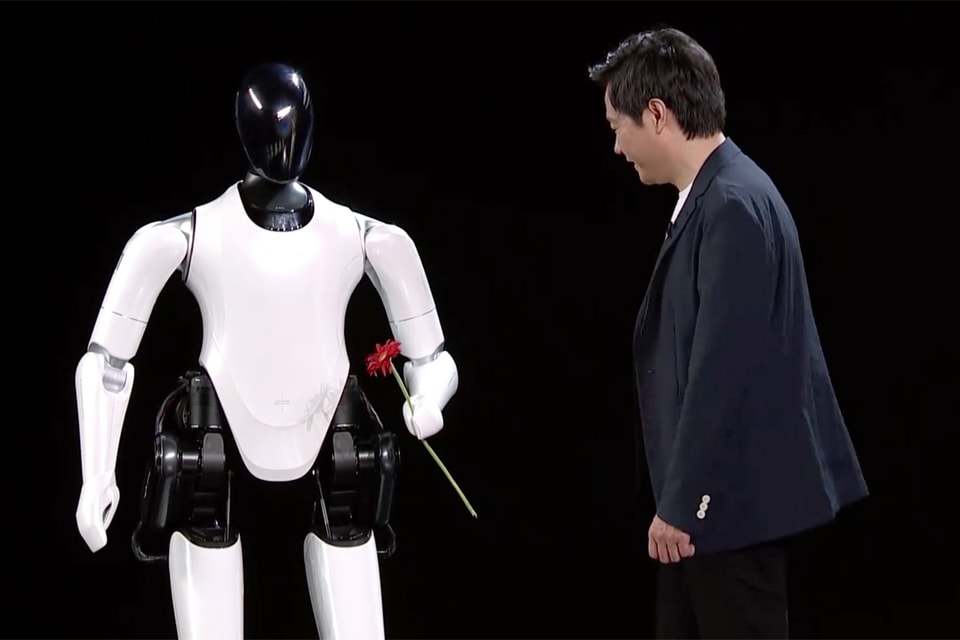
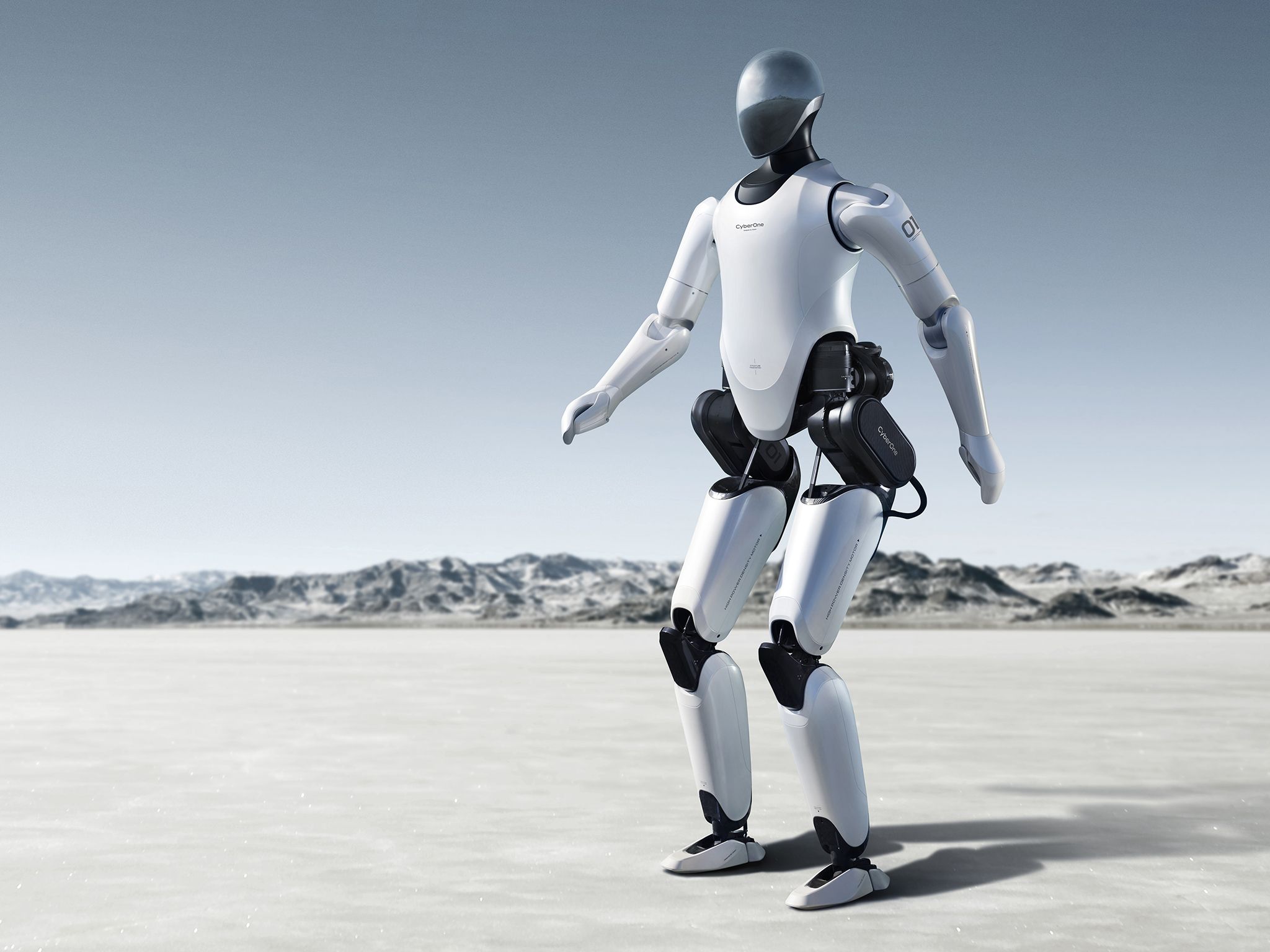
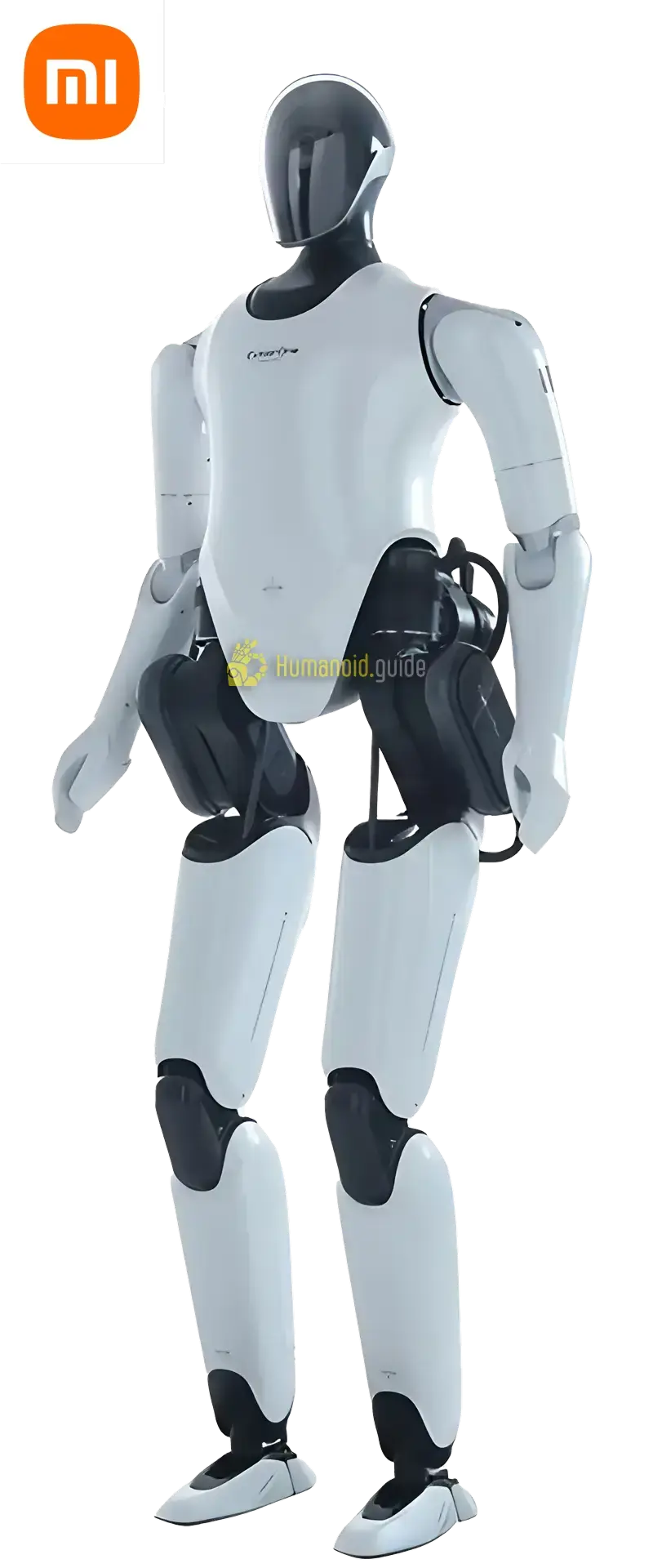
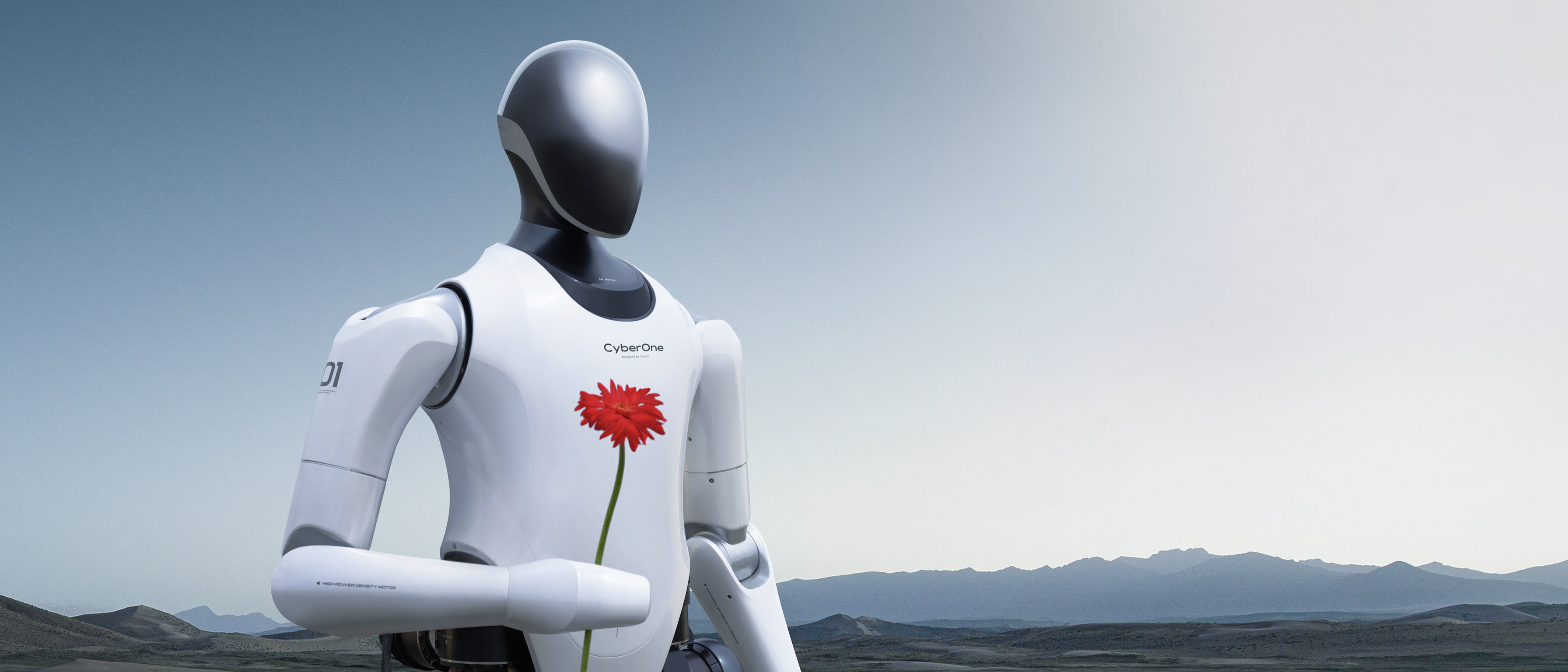
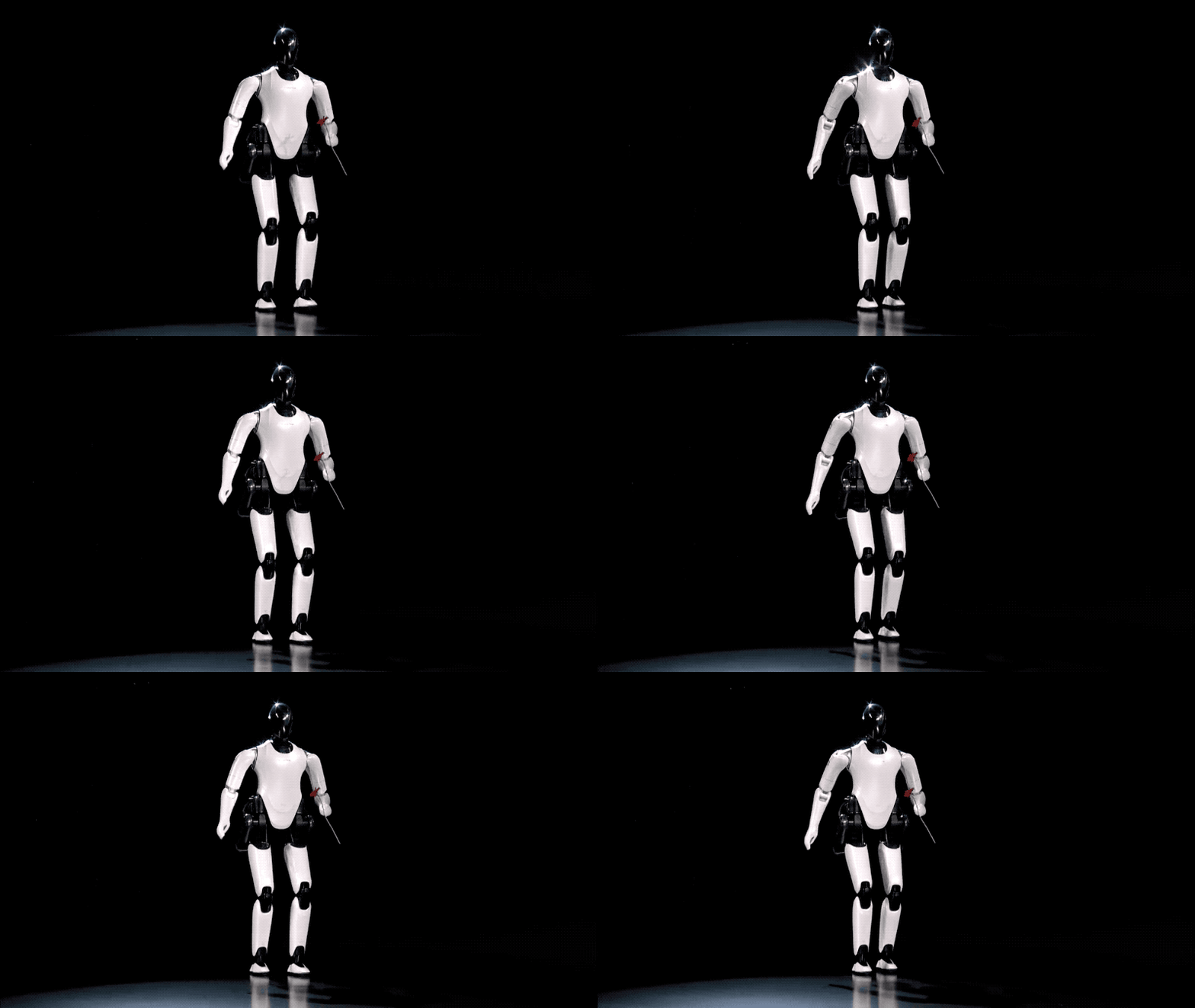
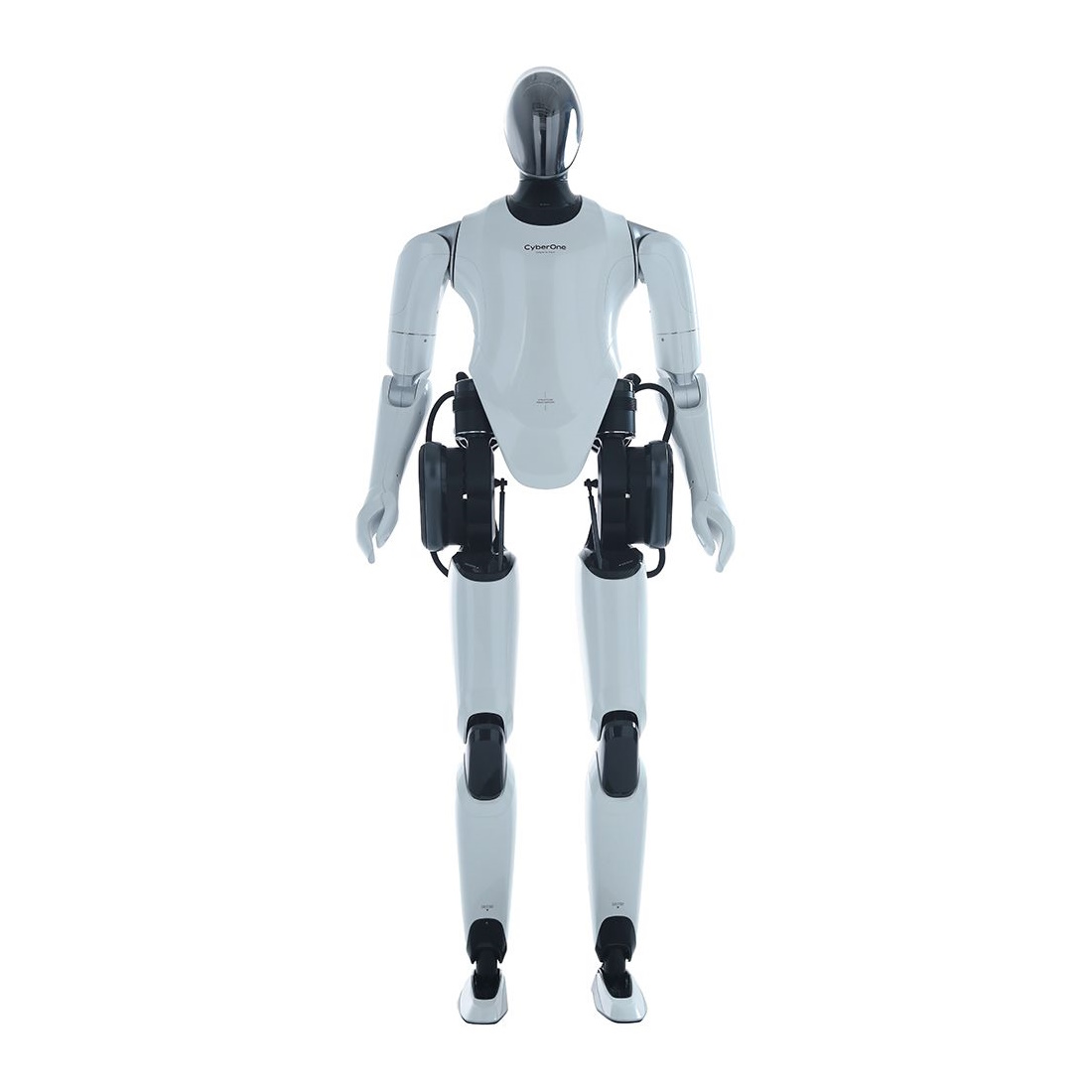
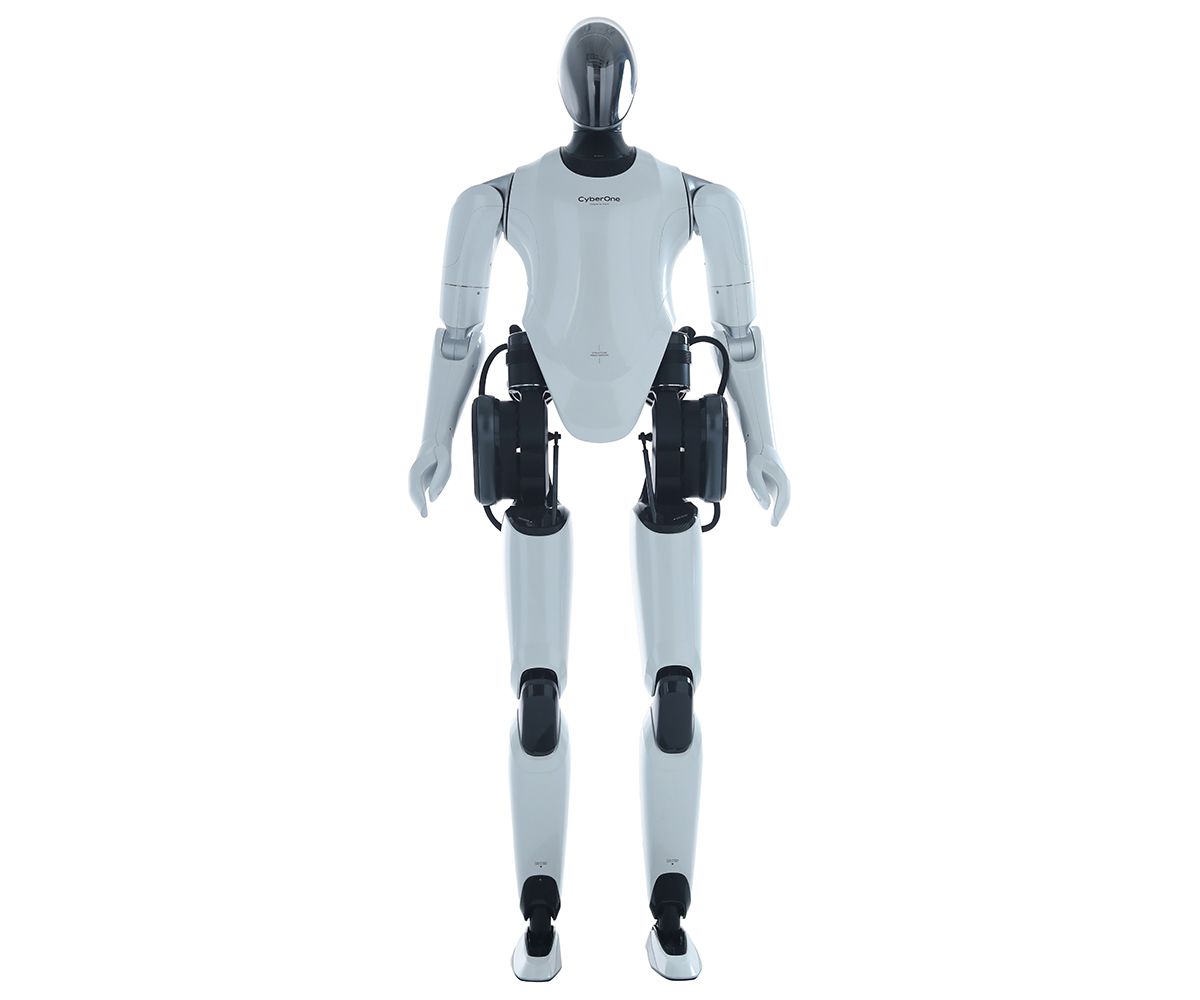
The Xiaomi CyberOne is a full‑size bipedal humanoid robot developed by Chinese consumer‑electronics giant Xiaomi. Standing 177 cm tall and weighing 52 kg, it houses 21 degrees of freedom across 13 joints for natural walking, gesturing and running. Its standout feature is emotional AI: the Mi‑Sense Depth Vision Module 2.0 lets the robot identify 45 human emotion classes and 85 environmental sound categories in real time. Built primarily as a technology demonstrator for advanced AI perception and human‑robot interaction, CyberOne was first shown at Xiaomi’s 2022 launch event and has not entered commercial production.
Specifications
Here are the full technical specifications.
| Spec | Value |
|---|---|
| Height | 177 cm |
| Weight | 52 kg |
| Degrees of freedom | 21 |
| Battery life | ~3 hours (est.) |
| Max speed | 7.2 km/h |
| Payload | Not specified |
| Price (new) | ~$90,000–$104,000 (est.) |
| Price (used range) | N/A |
Price & Value
New MSRP: ~$90,000–$104,000 (est.)
Used range: N/A
The CyberOne has never been sold commercially, so any price is speculative. At the 2022 unveil, Xiaomi CEO Lei Jun mentioned a possible $90,000–$100,000 consumer price if mass‑produced, but later third‑party analysis placed the likely cost between $89,000 and $104,000, based on component estimates. In comparison, Engineered Arts’ Ameca, a head‑and‑torso expressive platform, sells for around $133,000, while more industrially capable bots like the Tesla Optimus are promised under $20,000 but remain in pre‑order. Because the CyberOne is a one‑off demonstrator, there is no used market or depreciation schedule; any hypothetical total cost of ownership would be dominated by maintenance and custom software integration. Should Xiaomi ever make it commercially available, the early adopter price could be near the rumored $100k, putting it in the same league as high‑end research humanoids. For organizations considering a speculative purchase, the main value lies in its unique emotion‑recognition hardware, which is unmatched in any product currently on the market.
Who Is It For?
Best for: - Academic AI and HRI researchers needing real‑time emotion classification in a full‑size biped - Corporate innovation labs showcasing next‑gen human‑robot interaction without needing heavy payload
Not for: - Heavy‑duty industrial tasks (no published arm payload, standing payload only 1.5 kg) - Budget‑conscious institutions (estimated cost above $90,000, no commercial availability)
Alternatives & Comparison
As a pre‑commercial emotional‑AI demonstrator, the CyberOne occupies a niche separate from industrial or logistics humanoids. The table below compares it to other prominent bipedal platforms in its broad price and R&D bracket.
| Model | Price | Available | Key Difference |
|---|---|---|---|
| Tesla Optimus | Undisclosed | preorder | General‑purpose humanoid intended for mass production; industrial focus with heavier payload potential. |
| Atlas (Boston Dynamics) | Undisclosed | no | High‑dynamic research platform capable of parkour and advanced whole‑body control; no emotion AI. |
| Digit (Agility Robotics) | Undisclosed | yes | Bipedal logistics robot optimized for warehouse tote handling; commercially sold to select partners. |
Verdict: If emotion recognition and natural interaction are your core requirements, the CyberOne has no direct competitor—its Mi‑Sense module is a differentiator unmatched by Atlas, Optimus, or Digit. For researchers needing dynamic mobility and manipulation, Atlas remains the gold standard, though it lacks the CyberOne’s expressive capabilities and is similarly unavailable for purchase. In commercial settings, Digit’s proven warehouse deployment and Optimus’s mass‑production promise offer clearer ROI, so the CyberOne is best reserved for high‑profile demos and academic HRI labs.
Use Cases & Capabilities
Emotion‑Aware AI Research and Development
Researchers can leverage the CyberOne’s Mi‑Sense module, which classifies 45 human emotion states from facial expressions, tone, and body language, as well as 85 environmental sound categories. The robot’s 21 DOF allow it to perform deictic gestures and expressive arm movements during interaction studies. Its full‑size humanoid form factor provides a realistic platform for social robotics experiments that cannot be done with smaller robots. Real‑time processing enables dynamic feedback, making it suitable for longitudinal studies on human‑robot trust and affect. However, the lack of a published API and limited official support means that experimental paradigms must be built from scratch.
Corporate Technology Showcases and Brand Experiences
At tech expos, pop‑up stores, or visitor centers, the CyberOne draws crowds with its natural walking, running (up to 7.2 km/h), and conversational abilities. Its ability to recognize individual emotions allows tailored interactions, such as adjusting its tone or gestures based on a visitor’s mood. The robot can navigate moderately crowded spaces using its depth cameras and obstacle‑mapping firmware. Xiaomi has previously used it at launch events to highlight its AI and robotics know‑how. Organizations considering a similar high‑impact demonstration can benefit from its unique interactive capabilities, though they would need to negotiate a loan or custom build from Xiaomi directly.
Assistive Companion and HRI Prototyping
The emotional awareness of CyberOne makes it a candidate for companion robots aimed at elder care, mental health check‑ins, or hospitality reception. It can engage in simple conversations while monitoring a person’s emotional state over time. The 1.5 kg standing payload, however, prevents it from carrying meaningful objects like a tray or medication. Development of such applications would require Xiaomi’s cooperation, as the robot is not sold to third parties. Nevertheless, academic labs have explored building similar interaction scripts on offline‑trained models, and the CyberOne’s hardware serves as a blueprint for future assistive platforms.
History & Background
Xiaomi, founded in 2010 and headquartered in Beijing, is a global leader in consumer electronics. The company entered robotics with the CyberDog quadruped before unveiling the CyberOne humanoid at an August 2022 event in Beijing. The robot demonstrated walking, turning, waving, and answering questions, impressing audiences with its emotional AI that classified 45 human emotions and 85 environmental sounds. Only a single generation has been built, with no plans for mass production announced. In 2026, a firmware update added enhanced obstacle mapping, faster cognitive response, and refined grasping capabilities, although these improvements remain internal to Xiaomi’s lab. The CyberOne continues to serve as a flagship showcase of Xiaomi’s AI ambitions, occasionally appearing at tech exhibitions, while the company keeps future commercialization vague.
Buying Used — What to Check
Check sensor calibration The Mi‑Sense vision system relies on precise alignment; any used unit must be verified for factory calibration.
Assess battery degradation No official battery data; a used CyberOne may have a non‑swappable pack with unknown cycle life.
Confirm firmware and support Xiaomi does not publicly offer repair or update services; buyer must negotiate support with seller.