What is the Xpeng Iron?
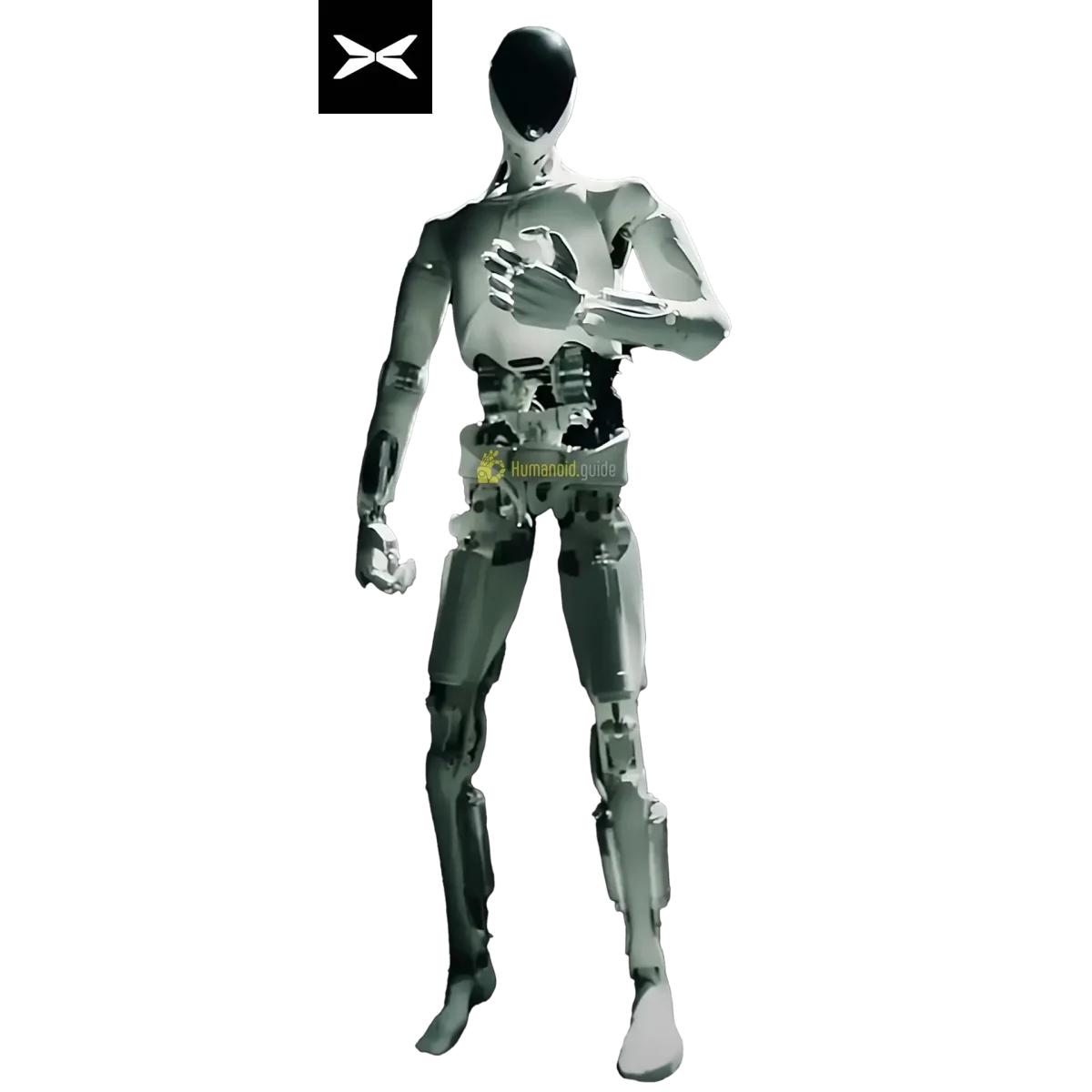
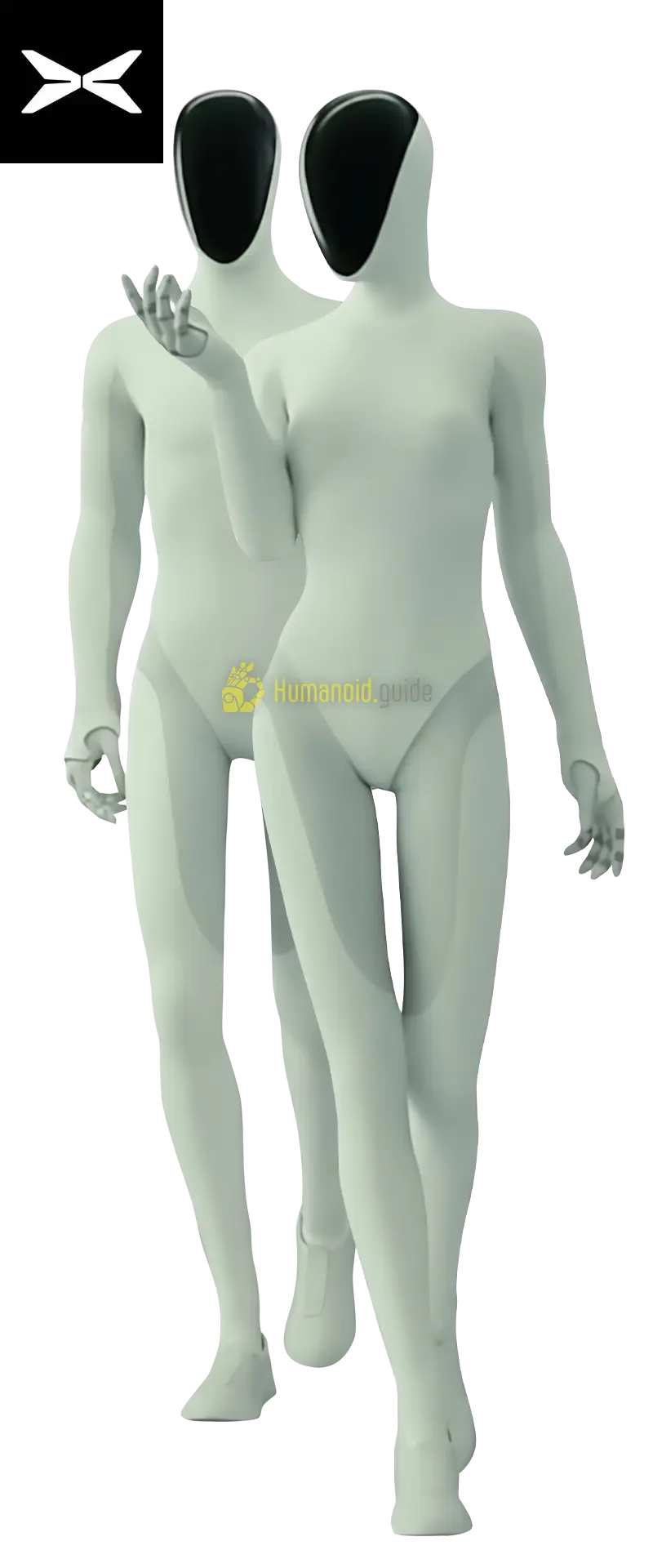
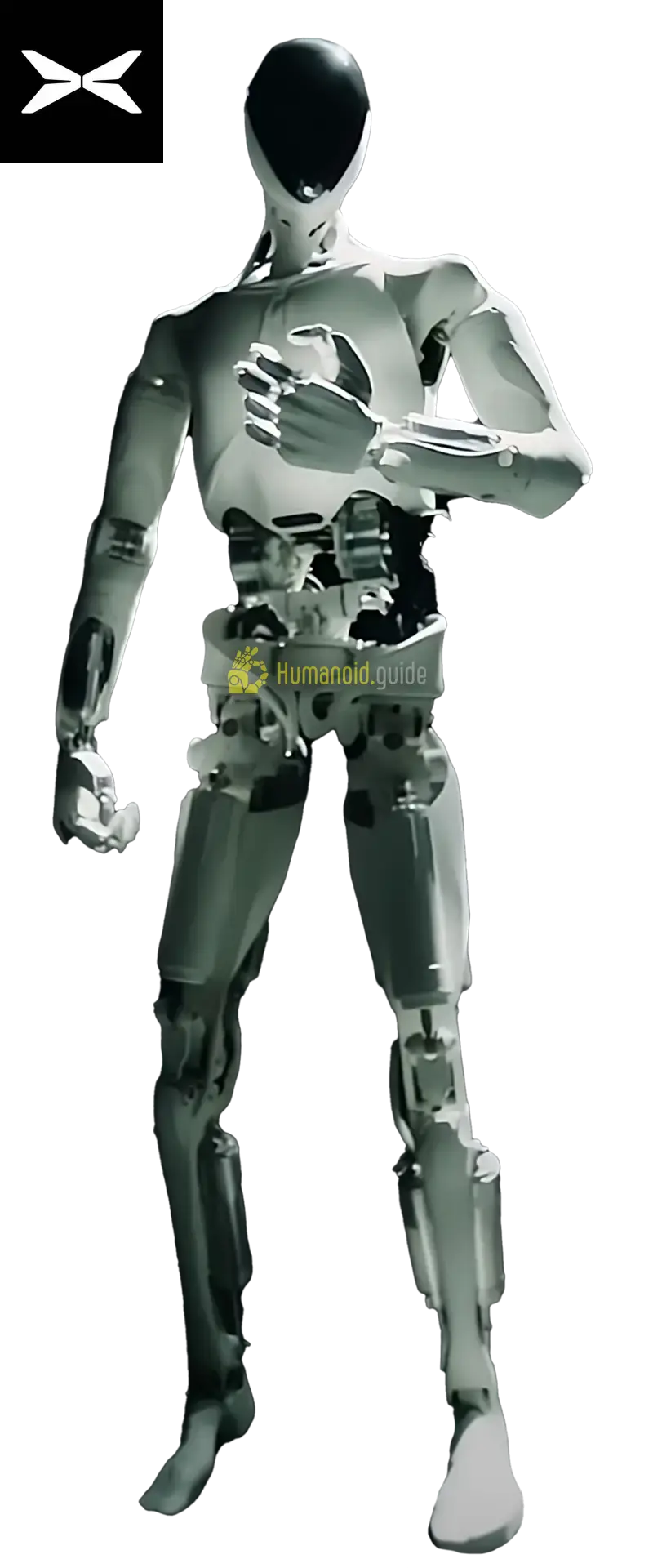
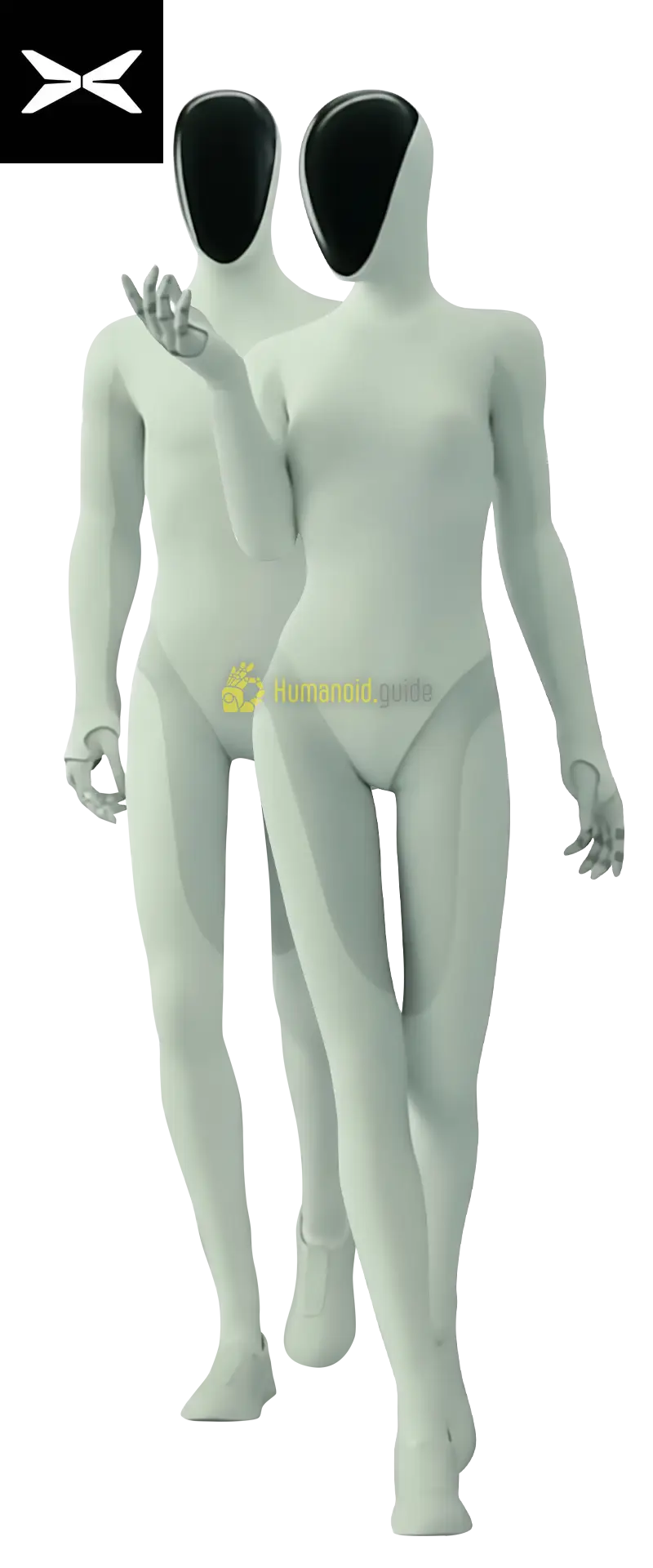
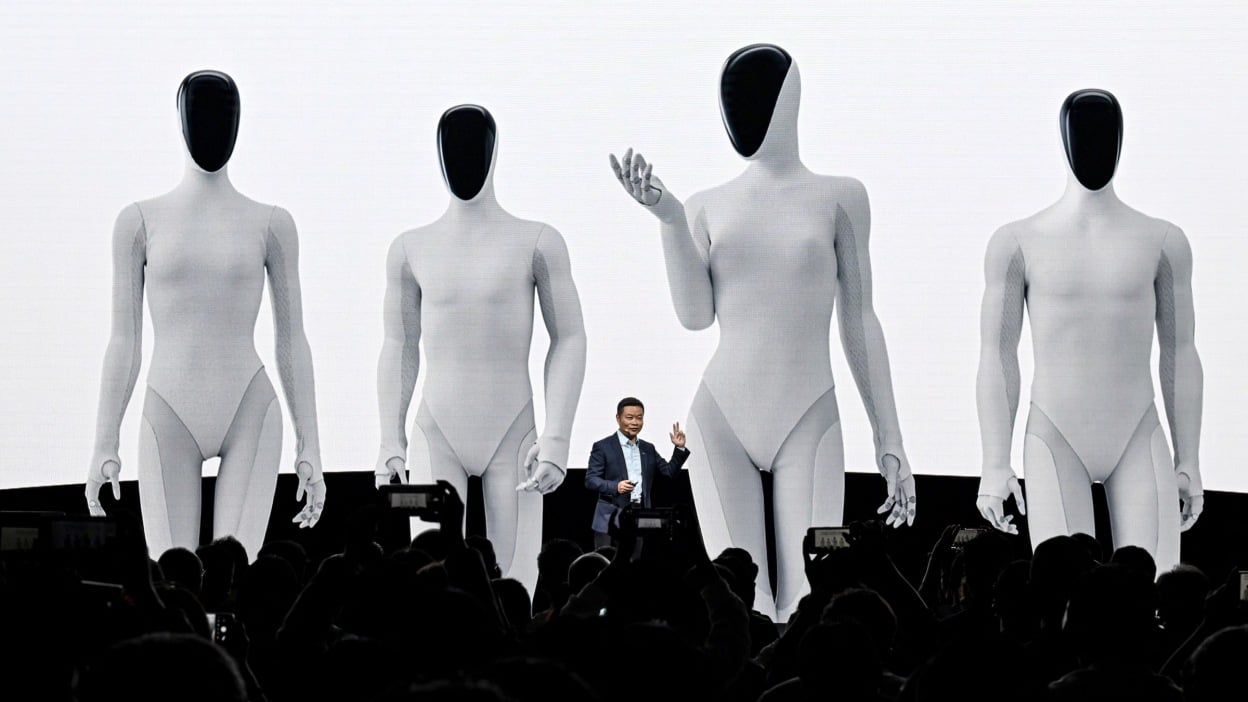
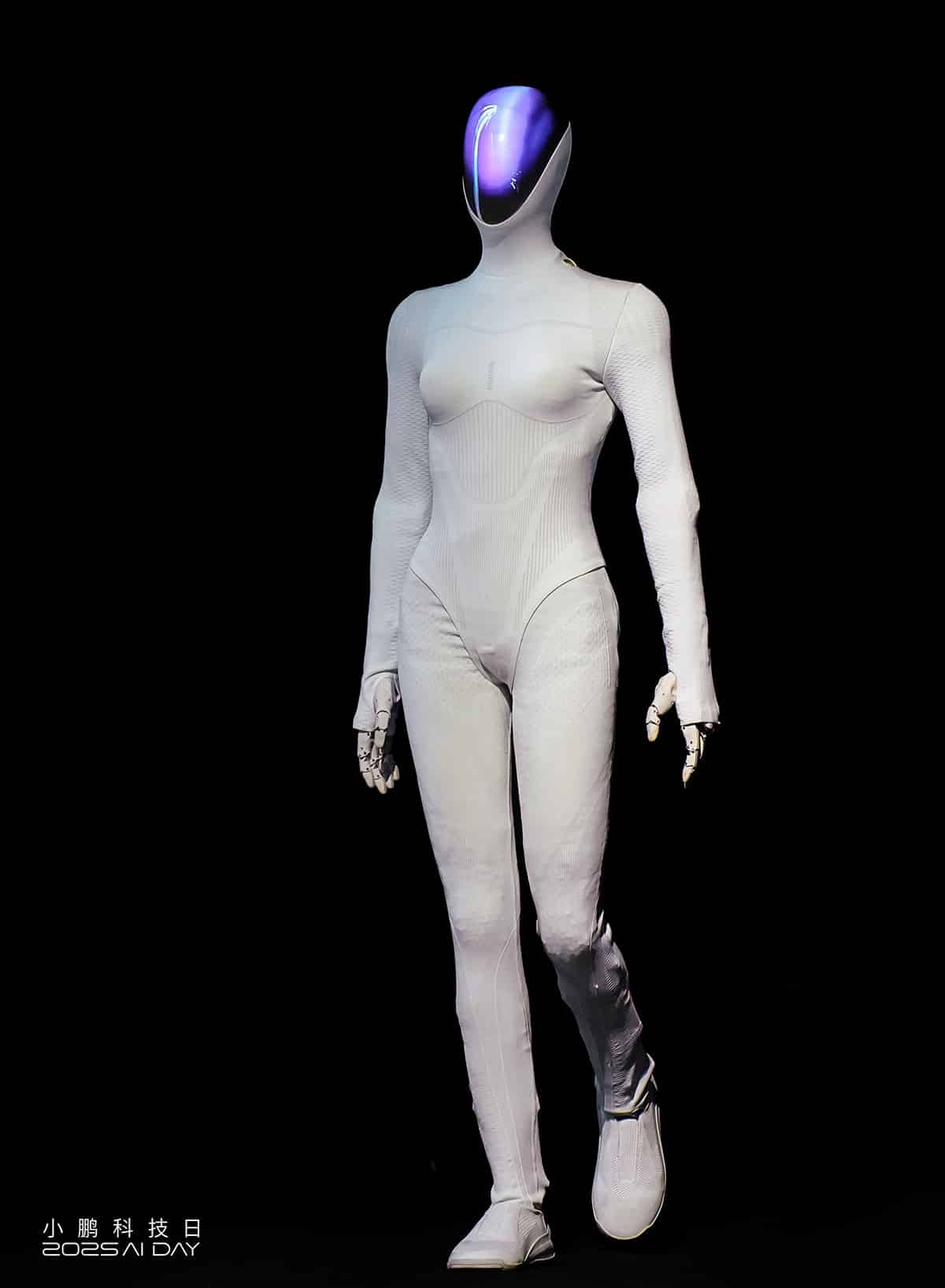
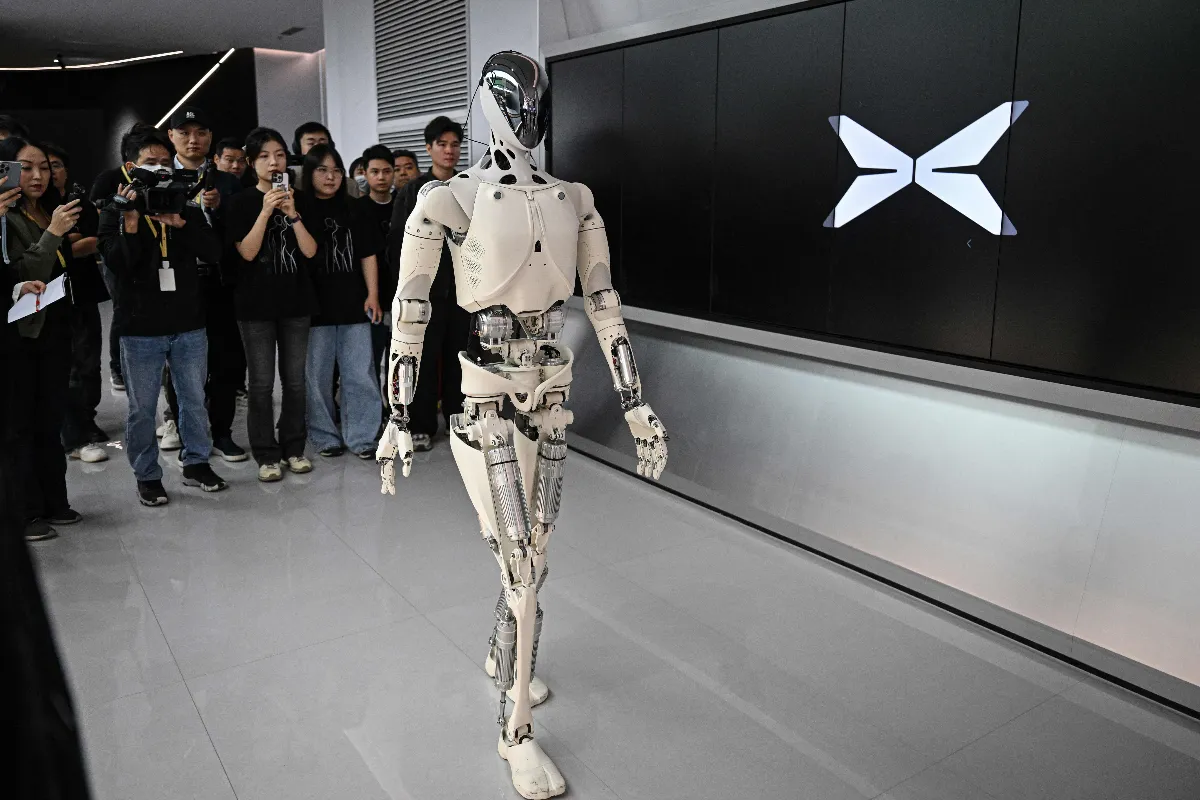
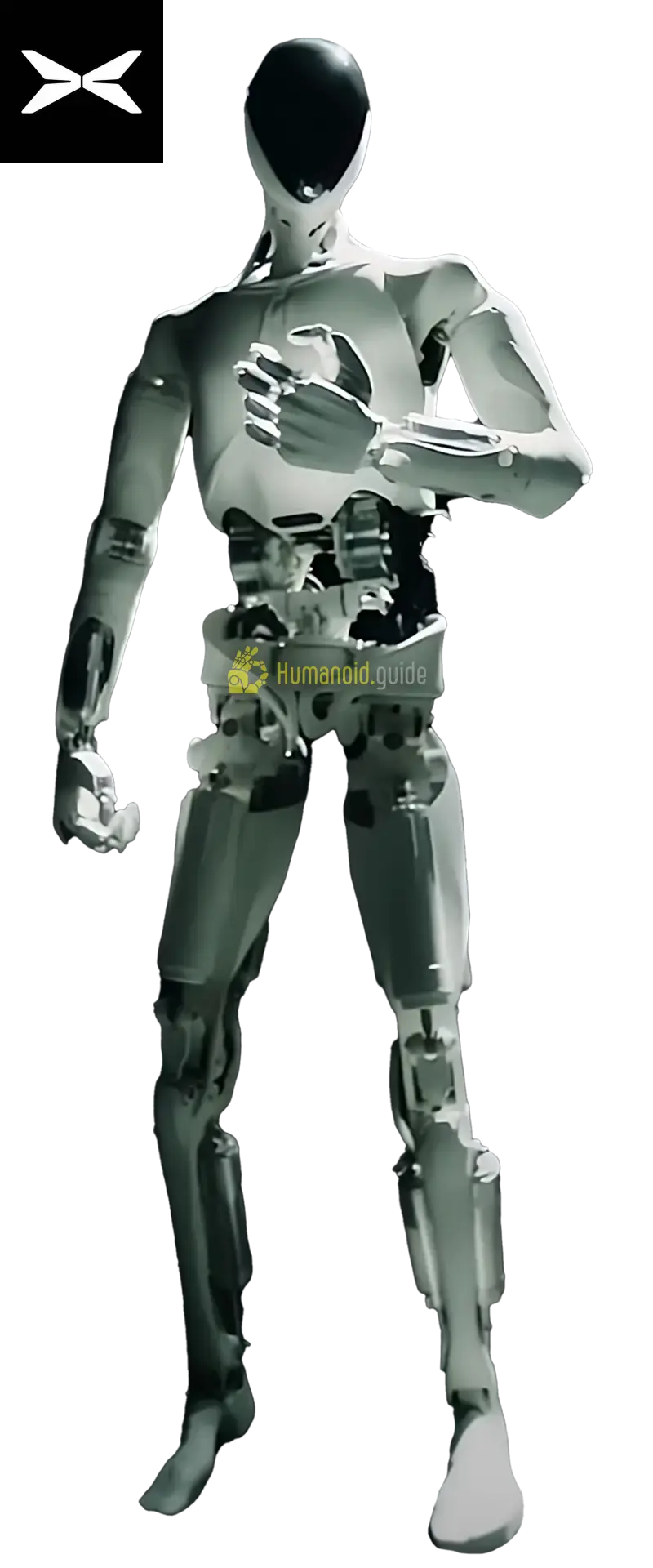
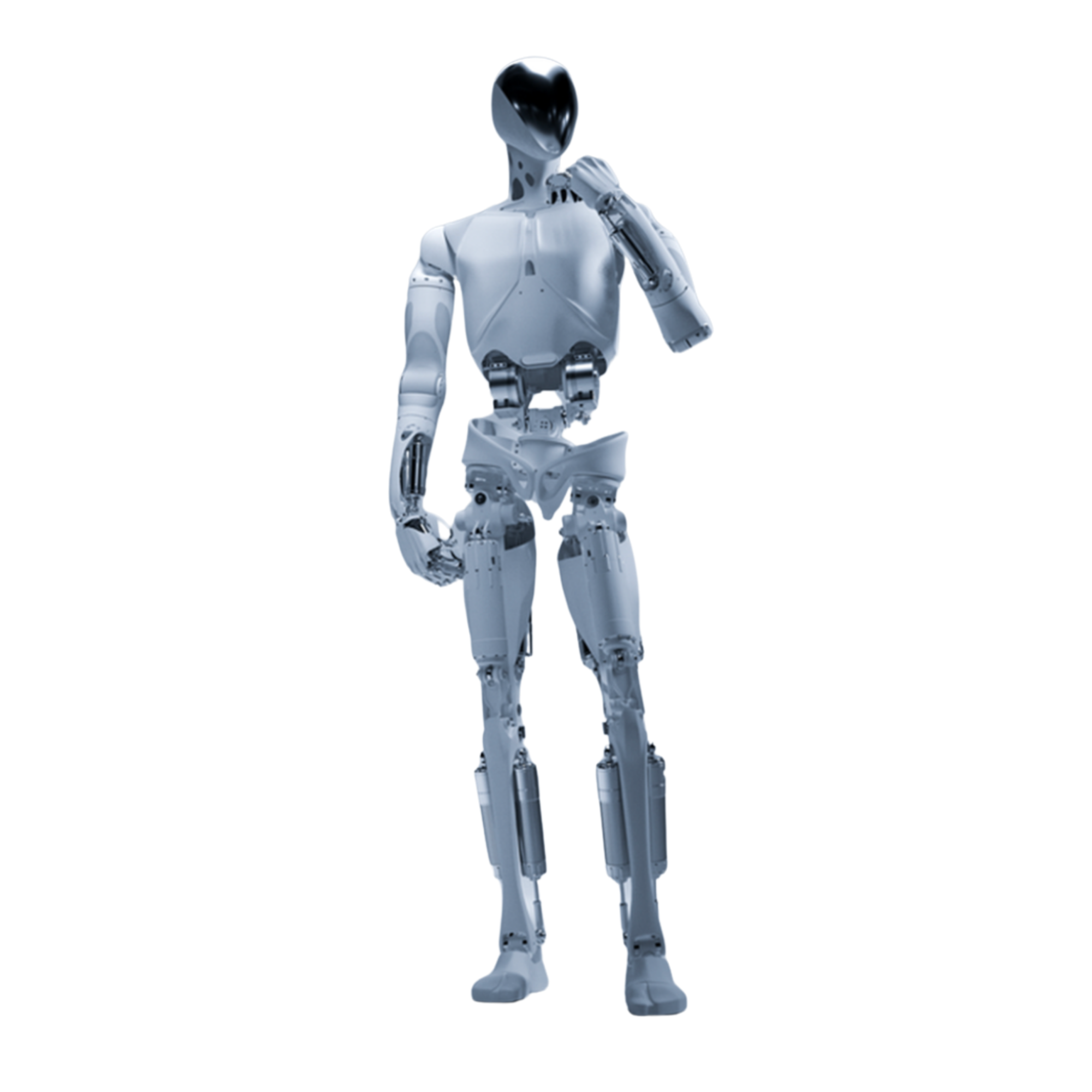
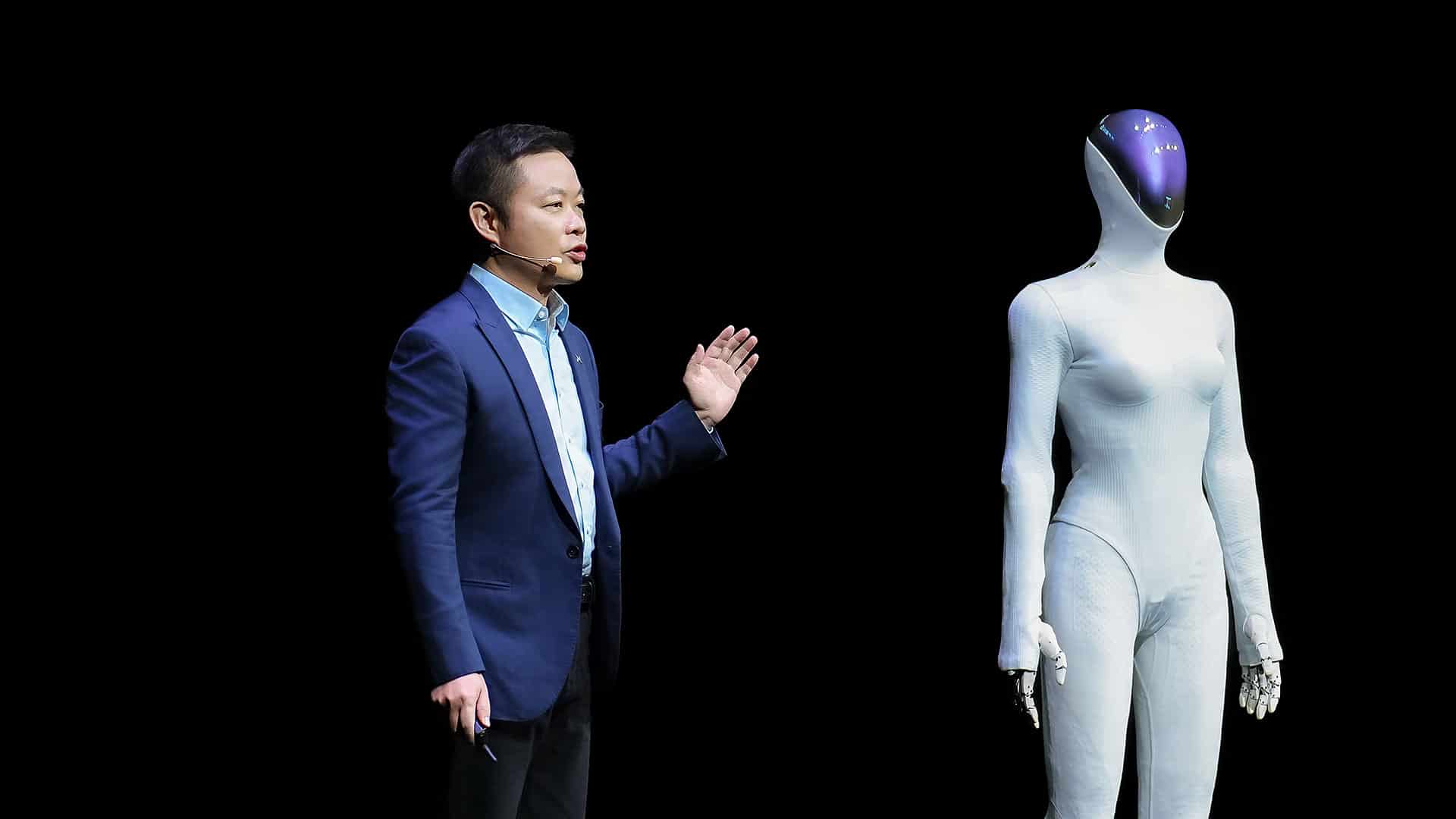
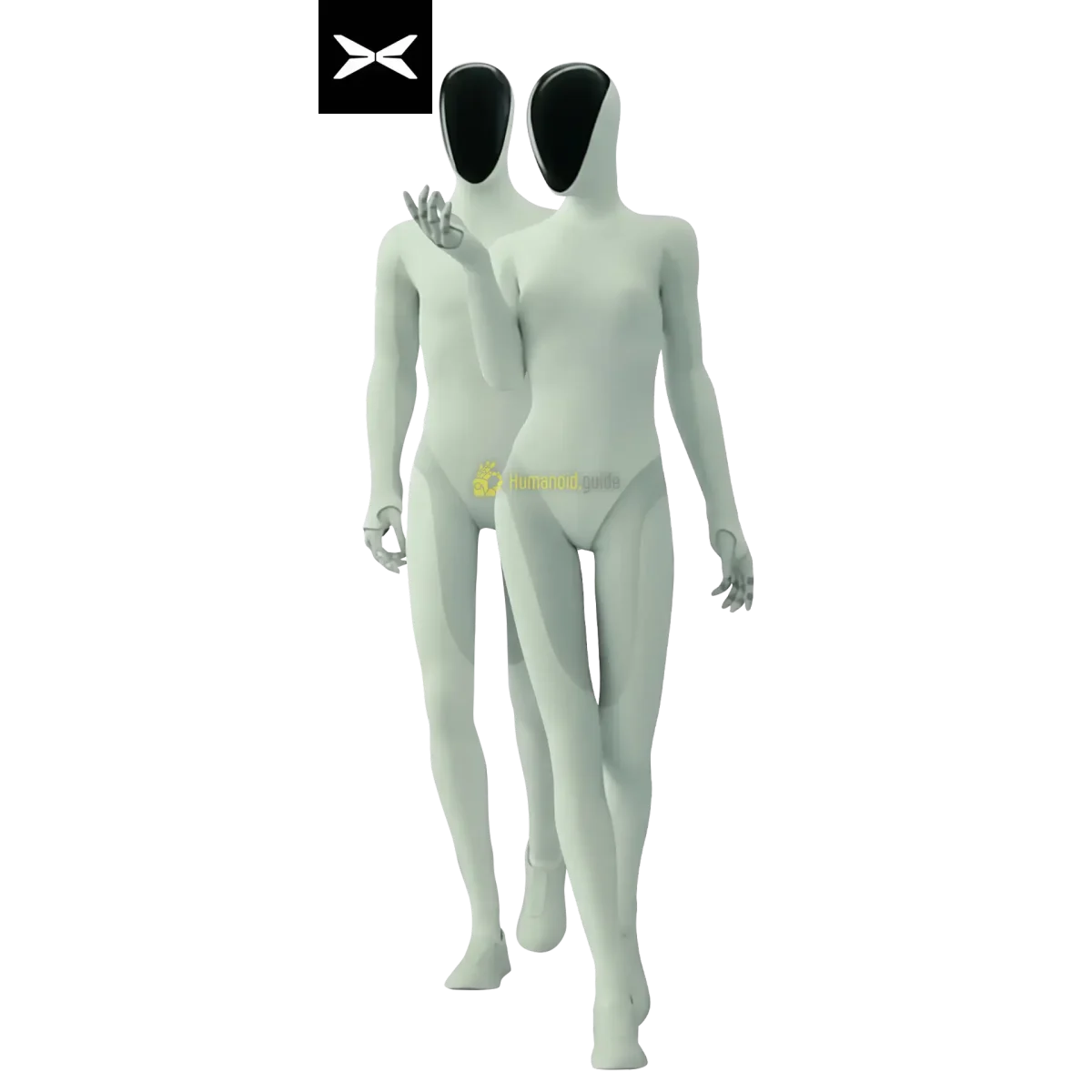
The XPeng Iron is a prototype full-body humanoid robot developed by XPeng Robotics, the AI and robotics division of Chinese EV maker XPeng. Unveiled in 2024 at XPeng AI Day, it stands 173 cm tall and weighs 70 kg. The Iron is designed for smart-home assistance, vehicle interaction, and light industrial tasks, featuring a biomimetic spine with multiple degrees of freedom, flexible outer skin, and a 3D curved head display. Its 72-DOF body (including 24 hand DOF) enables dexterous manipulation and dynamic locomotion. The robot runs on custom XPeng Turing AI chips and the Tianji AIOS operating system, integrating a Vision-Language-Task (VLT) model for multimodal interaction. While primarily a research prototype, XPeng plans commercial deployment by 2026, initially targeting manufacturing, logistics, and service sectors in China.
Specifications
Here are the full technical specifications.
| Spec | Value |
|---|---|
| Height | 173 cm |
| Weight | 70 kg |
| Degrees of freedom | 72 |
| Battery life | 4 hours |
| Max speed | 5.8 km/h |
| Payload | 20 kg |
| Price (new) | Undisclosed (contact manufacturer) |
| Price (used range) | N/A (pre-market) |
Price & Value
New MSRP: Undisclosed (contact manufacturer)
Used range: N/A
No official price has been released by XPeng. Third-party aggregators have cited an early estimate of $150,000, but this remains unconfirmed and likely speculative. Given the prototype stage, the true cost will depend on final component choices (actuators, sensors, compute) and production scale. Comparing against competitors like Tesla Optimus (targeted $20,000) or Apptronik Apollo ($50,000), the Iron's biomimetic design and in-house chipset may place it at a premium. Until mass production begins, any pricing is provisional — interested parties should contact the manufacturer directly for enterprise quotes.
Who Is It For?
Best for: - R&D labs exploring whole-body control and human-robot interaction (high DOF and tactile skin provide unique testbed) - Logistics and light manufacturing pilots seeking a bipedal platform for dynamic material handling - Automotive OEMs interested in integrating humanoid robots into assembly and quality-inspection workflows
Not for: - Heavy industrial lifting (payload limited to 20 kg, insufficient for many manufacturing tasks) - Dusty or wet environments (no IP rating disclosed, likely not sealed) - Production deployment before 2026 — the Iron remains a prototype with no field-proven reliability
Alternatives & Comparison
The XPeng Iron competes in the emerging industrial humanoid market against both low-cost entrants and established R&D platforms.
| Model | Price | Available | Key Difference |
|---|---|---|---|
| Tesla Optimus | $20,000 | preorder | Aims for mass in-house manufacturing at a lower price; less biomimetic design. |
| Figure 02 | Undisclosed | no | Focus on AI-driven dexterous manipulation; no public pricing or biomimetic spine. |
| Apptronik Apollo | $50,000 | preorder | Modular, general-purpose humanoid at a competitive price; no flexible skin or spine. |
| UBTECH Walker S | Undisclosed | no | Taller, heavier industrial inspection robot; proven bipedal walking but bulkier. |
Verdict: If you need a research platform with novel biomimetic features and are willing to wait until 2026, the Iron’s 72-DOF design and tactile skin offer unique value. For price-sensitive pilot deployments available sooner, Apptronik Apollo is a safer choice. Tesla Optimus may undercut both on cost but remains unproven. The Iron is the most anthropomorphic option today — ideal for human-robot interaction studies but not yet ready for production.
Use Cases & Capabilities
Light Assembly and Kitting
The Iron’s 20 kg payload and 24 hand DOF suit it for picking, placing, and assembling small components on production lines. Vision-Language-Task integration enables natural language instructions and real-time QA inspection. However, its 4-hour runtime per charge limits continuous operation without rapid battery swapping.
Human-Robot Interaction Research
With flexible skin, an expressive 3D head display, and a total of 72 DOF, the Iron provides a rich platform for studying social robotics, safe physical interaction, and nonverbal communication. The biomimetic spine adds whole-body expressiveness rare in current humanoids.
Material Handling in Logistics
Equipped with RGB-D cameras, LiDAR, and force sensors, the Iron can navigate crowded warehouses and transport loads up to 20 kg. Its 5.8 km/h top speed allows efficient movement between stations, though current autonomy demonstrations remain limited to controlled environments.
History & Background
XPeng Inc., founded in 2014 as an EV manufacturer, established XPeng Robotics in 2016 to explore AI and autonomous systems. After years of developing quadrupedal and wheeled robots, the company revealed the Iron humanoid prototype at XPeng AI Day in November 2024. The Iron is the first bipedal humanoid from XPeng, designed in parallel with the brand’s autonomous driving AI. A second prototype iteration appeared at XPeng AI Day 2025, showcasing refined dexterity and locomotion. As of 2026, the robot remains in advanced prototype stage with no commercial units shipped. XPeng plans to begin production in 2026, initially targeting pilot deployments in its own automotive factories before offering the robot to external enterprises.
Buying Used — What to Check
Verify actual payload and battery performance Published specs are from prototype demos; production units may differ once actuators and power systems are finalised.
Confirm availability of replacement parts Custom components like the Tianji AIOS chipset and flexible skin may have limited third-party support, affecting long-term maintenance.
Ask for independent validation of DOF count Early media reports varied between 60 and 72 DOF; confirm which configuration the specific used unit has.