What is the Xpeng Px5?
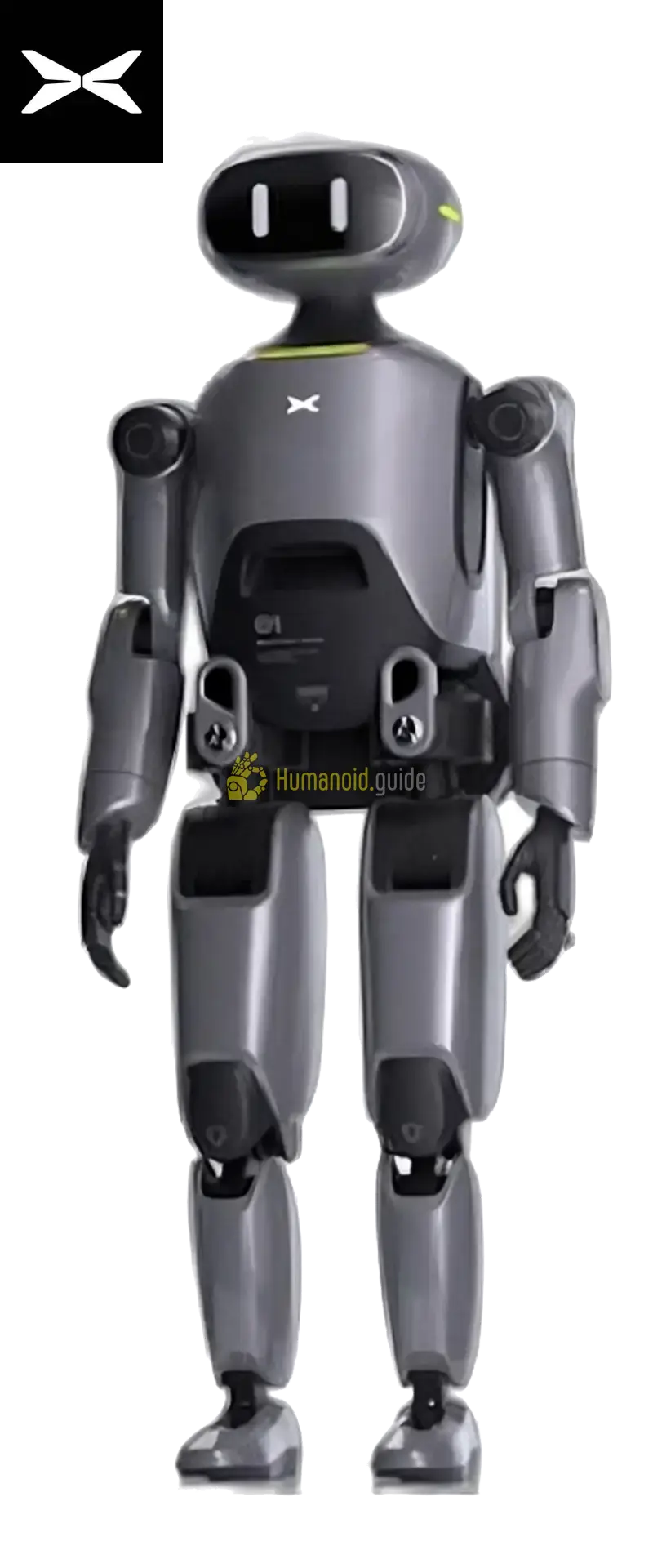
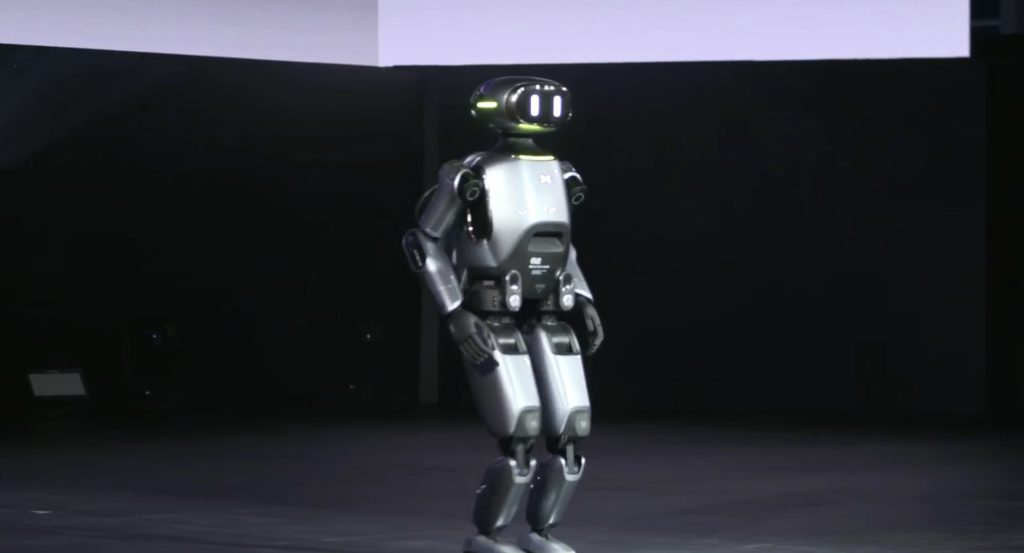
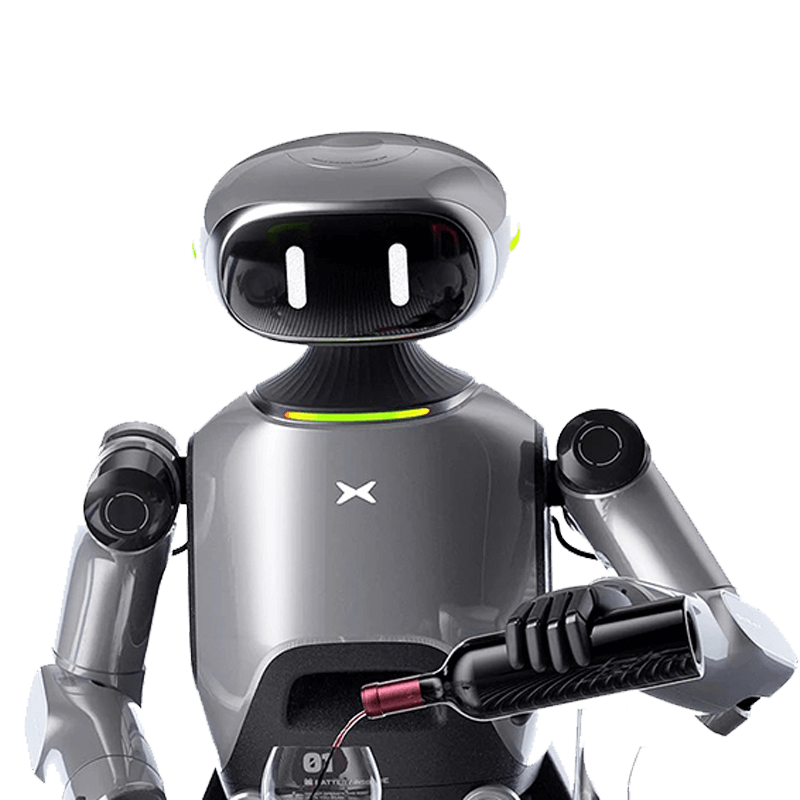
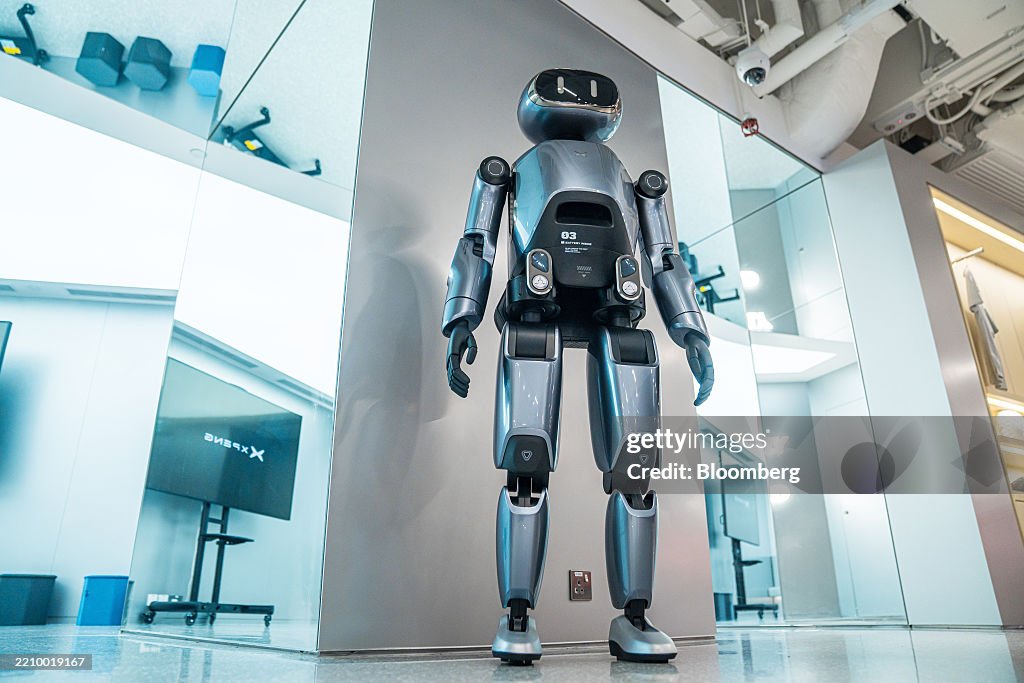
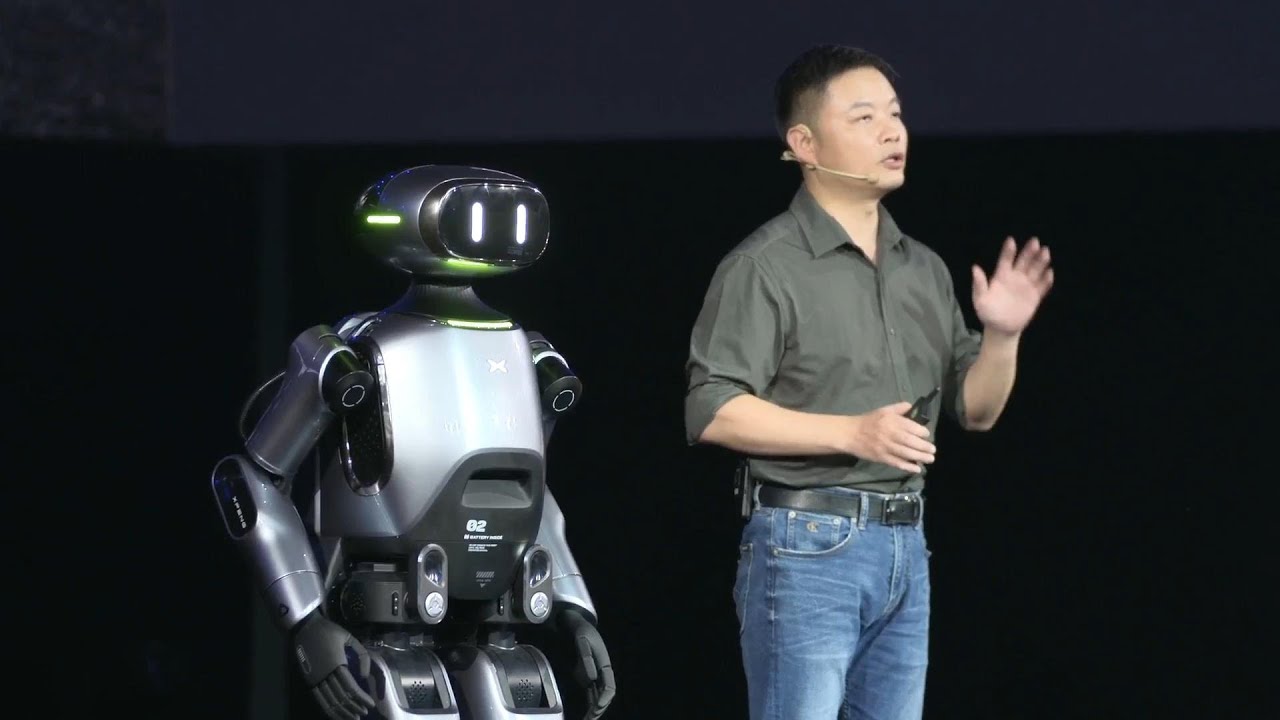
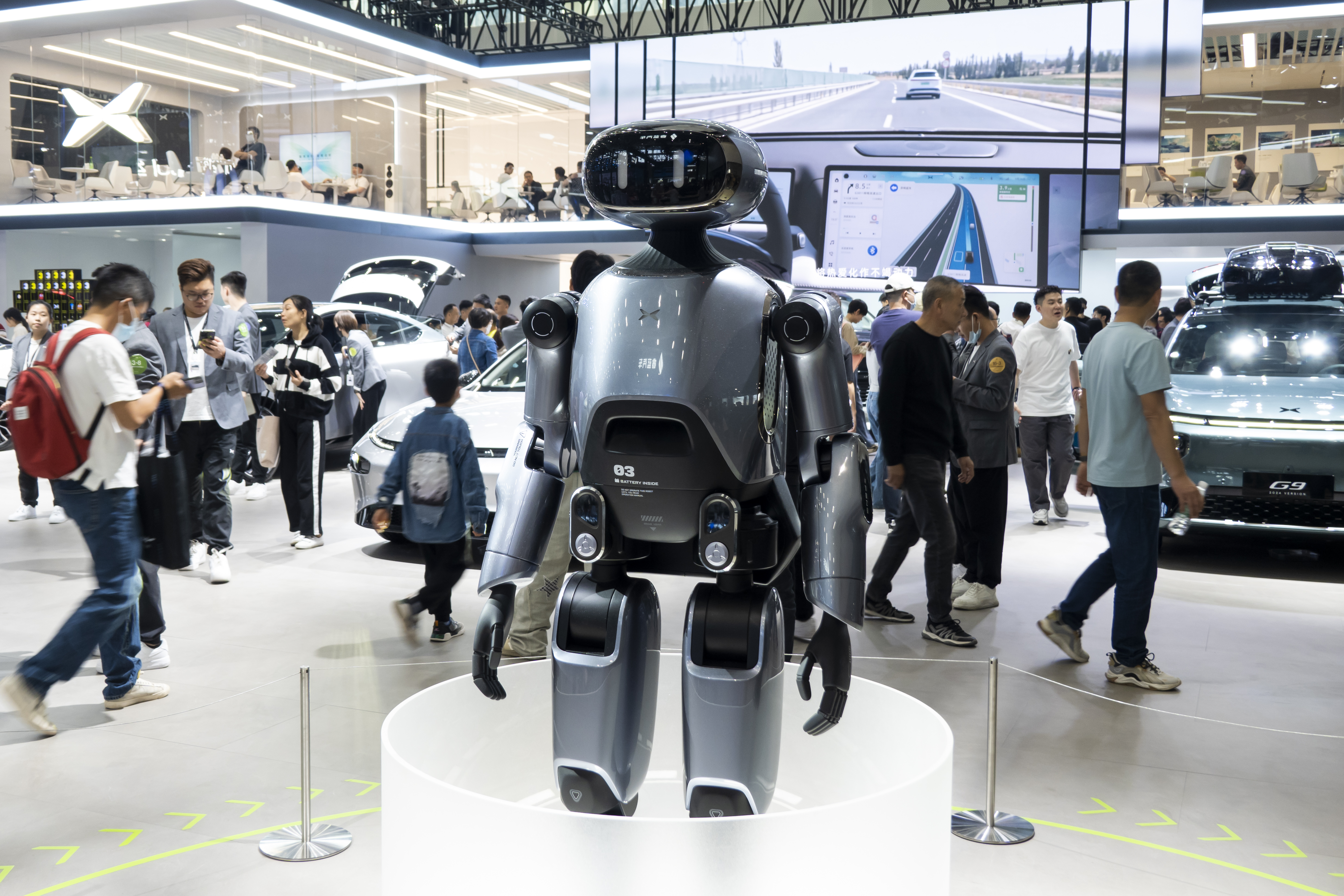
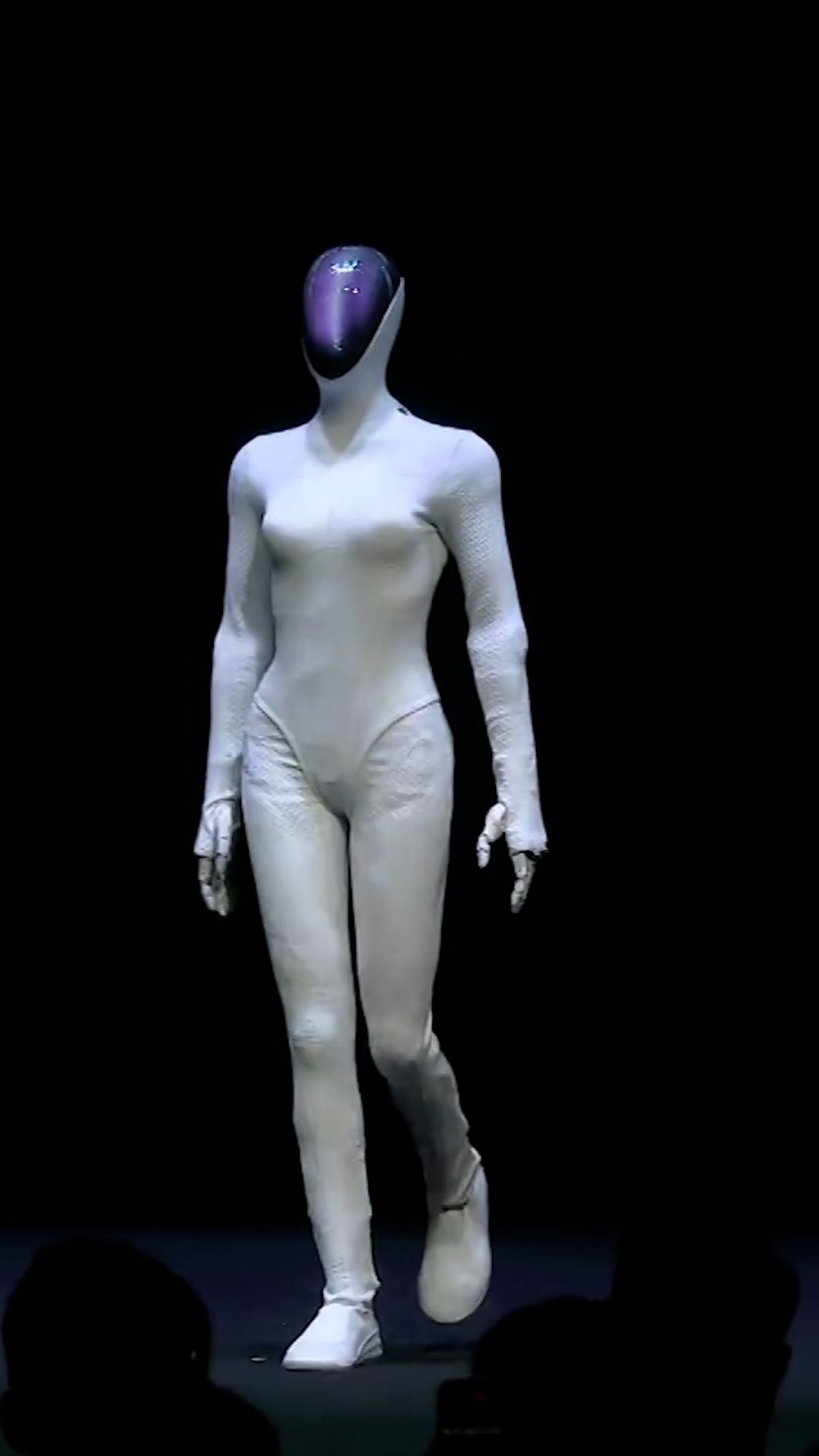
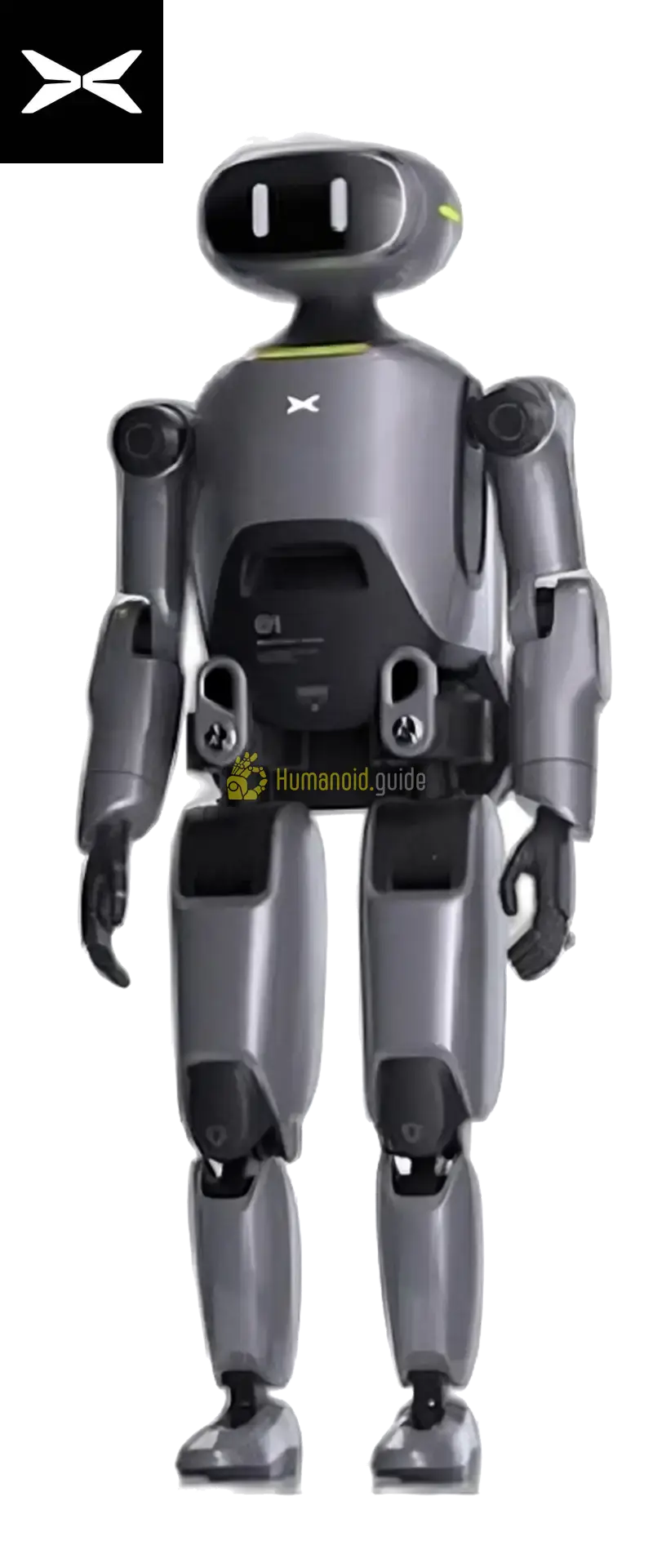
XPENG Robotics PX5 is a full‑size bipedal humanoid robot created by XPENG Robotics, the robotics arm of XPENG Motors, headquartered in Guangzhou, China. Unveiled at XPENG Tech Day 2023, PX5 serves as a research and technology demonstration platform for stable bipedal locomotion, obstacle negotiation, and dexterous manipulation. It walks on grass, rocky terrain, and indoor floors, showcasing dynamic balance and self‑righting capabilities. PX5 is the predecessor to XPENG’s IRON humanoid, with a focus on proving locomotion and manipulation for future automotive manufacturing lines.
Specifications
Here are the full technical specifications.
| Spec | Value |
|---|---|
| Height | 1.5 m |
| Weight | 70 kg |
| Degrees of freedom | 21 |
| Battery life | Over 2 h |
| Max speed | Not specified |
| Payload | 20 kg (standing) |
| Price (new) | $150,000 (est.) |
| Price (used range) | N/A (pre‑commercial) |
Price & Value
New MSRP: $150,000 (est.)
Used range: N/A
XPENG has not released an official retail price for PX5; the $150,000 figure circulating among aggregators is an industry estimate likely derived from the development platform cost of comparable prototypes. Given its pre‑commercial status, no secondary market exists and total cost of ownership remains undefined. Compared to similarly‑positioned research humanoids like the Unitree H1 (available for around $90,000), PX5’s estimated cost appears high, but it includes dexterous hands and automotive‑grade sensor integration not yet specified. If XPENG eventually transitions PX5 or its successor IRON into a low‑volume research kit, pricing could settle closer to $100,000–$200,000. Until then, any price is purely speculative, and organizations should engage XPENG directly for potential collaboration agreements.
Who Is It For?
Best for: - University robotics labs studying bipedal gait (21 DOF and dexterous hands allow natural walking and object handling experiments) - Corporate R&D teams in the automotive sector evaluating humanoid integration for assembly lines - Technology demonstrators needing a stable, full‑size humanoid that can handle uneven terrains for public displays
Not for: - Small‑scale research groups with limited budgets (estimated $150,000 and no official purchasing channel) - Organizations requiring immediate deployment (PX5 is pre‑commercial with no production units) - Tasks needing published payload specs (only a 20 kg standing payload is known; arm payload undisclosed)
Alternatives & Comparison
PX5 competes in the emerging space of full‑size humanoid research platforms alongside prototypes from Tesla, Figure, and Unitree, each targeting different levels of commercial readiness.
| Model | Price | Available | Key Difference |
|---|---|---|---|
| Tesla Optimus | Undisclosed | no | More advanced integration with vehicle manufacturing and a clearer development roadmap. |
| Figure 01 | Undisclosed | no | Superior manipulation capabilities and AI integration for general‑purpose tasks. |
| Unitree H1 | $90,000 | yes | Commercially available, lower cost, and proven dynamic locomotion without dexterous hands. |
Verdict: For a research lab wanting a biped with dexterous hands and automotive lineage, PX5—if obtainable through a partnership—is interesting but speculative. Unitree H1 is the safer, cheaper, and immediately buyable option for locomotion research. Those needing advanced manipulation should watch Figure 01 or Tesla Optimus, both of which have clearer development paths. Until XPENG reveals full specs and a buying process, PX5 remains a technology demonstration rather than a practical purchase.
Use Cases & Capabilities
Bipedal Locomotion Research
PX5 excels as a testbed for stable bipedal walking algorithms. Its 21 degrees of freedom and low center of gravity allow reproducible experiments on uneven grass, rocky terrain, and stairs. Researchers can implement and validate gait controllers in a full‑size humanoid form factor without the cost of custom hardware. The over‑2‑hour continuous runtime supports long‑duration gait trials, though the lack of published speed data limits benchmarking. Ideal for labs transitioning from smaller bipeds to full‑scale automotive‑oriented platforms.
Obstacle Navigation Testing
With demonstrated capability to autonomously negotiate outdoor obstacles, PX5 can serve as a mobile perception platform. Its integrated sensor suite (likely stereo cameras and LiDAR) and self‑righting mechanics enable research into real‑time path planning and disturbance recovery. The robot’s ability to walk on varied substrates provides a realistic test environment for navigation stacks intended for factory floors or outdoor logistics. However, the absence of detailed compute specifications means users must validate performance firsthand.
Dexterous Manipulation Studies
PX5 is equipped with dexterous, five‑fingered hands, making it suitable for manipulation research in human‑centric environments. Tasks like grasping irregular objects, tool use, and hand‑eye coordination can be prototyped on a platform that mirrors human arm kinematics. While arm payload is not disclosed, the 20‑kg standing payload suggests a robust upper body. Combined with stable locomotion, PX5 enables whole‑body manipulation experiments that stationary manipulators cannot replicate.
Automotive Manufacturing Prototyping
XPENG explicitly targets automotive assembly with PX5 and its successor IRON. Early adopters in the auto industry can use the robot to evaluate humanoid integration for repetitive tasks like part loading, quality inspection, and material transport. PX5’s rugged outdoor walking ability suits real factory environments with uneven floors and ramps. As a pre‑commercial platform, it offers a low‑risk way for manufacturers to gather task‑specific data before committing to full production robots.
History & Background
XPENG Robotics, a wholly‑owned subsidiary of the Chinese electric vehicle maker XPENG Motors, was established to explore bipedal robotics for factory automation. The PX5 humanoid was first shown publicly on October 24, 2023, during XPENG’s annual Tech Day event in Guangzhou. Demonstrations included walking on uneven terrain, climbing stairs, and manipulating objects with its dexterous five‑fingered hands. The robot was presented as a precursor to the more advanced IRON humanoid, which XPENG claims will integrate directly into vehicle assembly workflows. PX5 remains a one‑generation research platform; no variants or commercial releases have been announced. As of 2026, XPENG Robotics continues to test the platform internally, and no public timeline for production has been published.
Buying Used — What to Check
Verify payload rating Only a 20 kg standing payload is known; arm payload is critical for any manipulation task. Confirm directly with XPENG.
Confirm battery endurance The stated “over 2 hours” may vary under load or outdoor conditions. Request a test log under your expected usage profile.
Check software and support PX5 is a research platform with no public SDK or warranty. Clarify what development tools and after-sales support XPENG provides.