What is the Zerith H1?
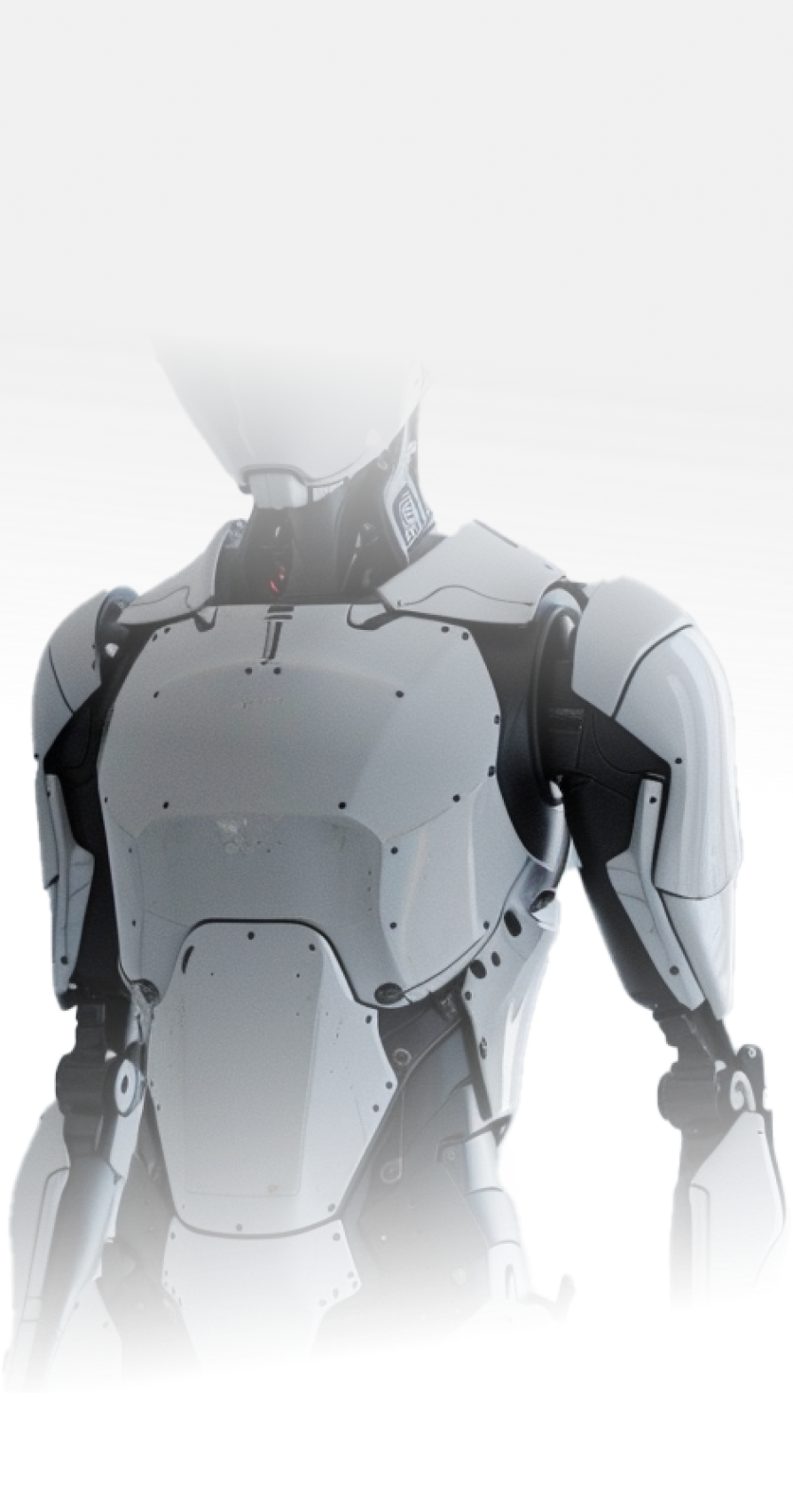
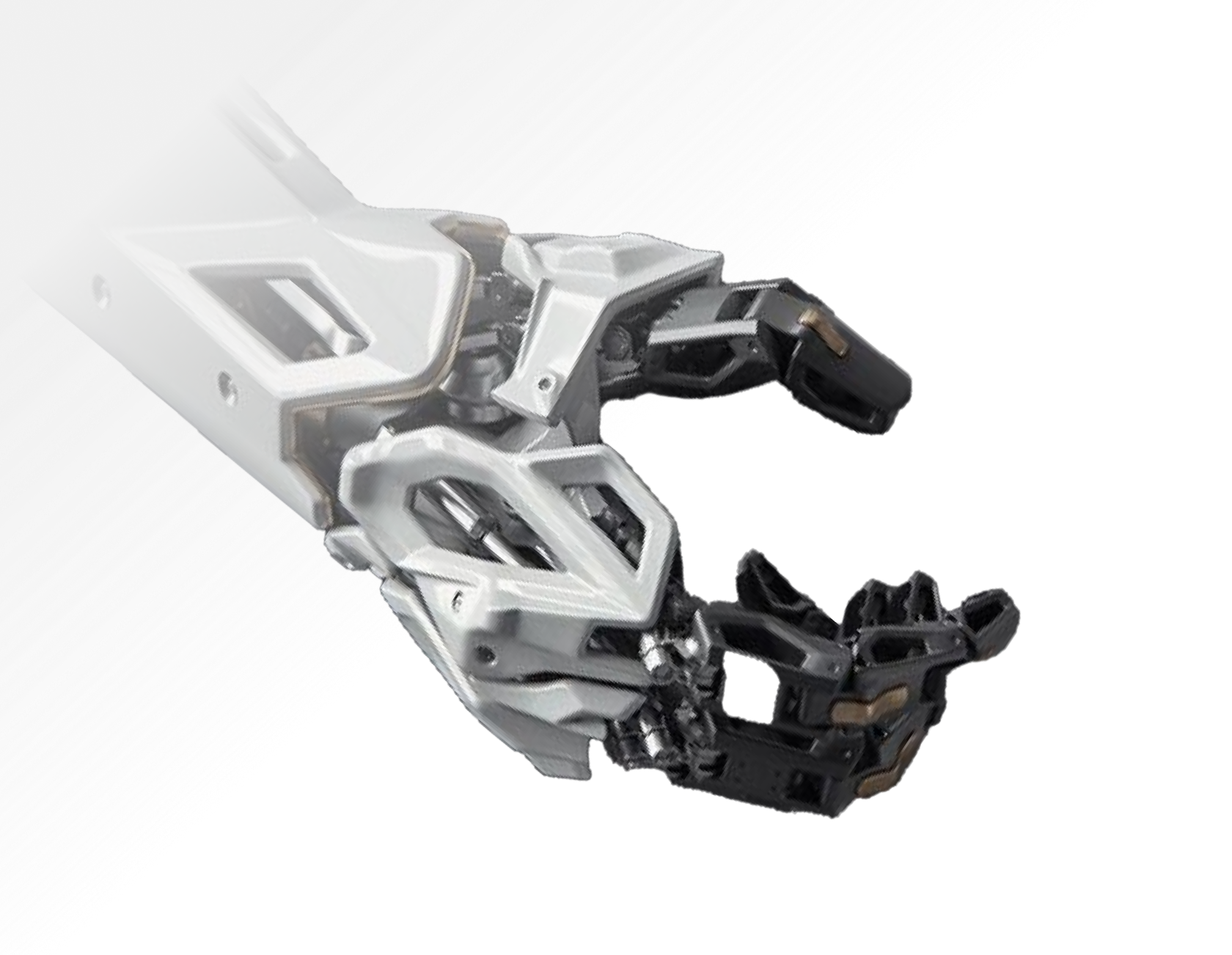
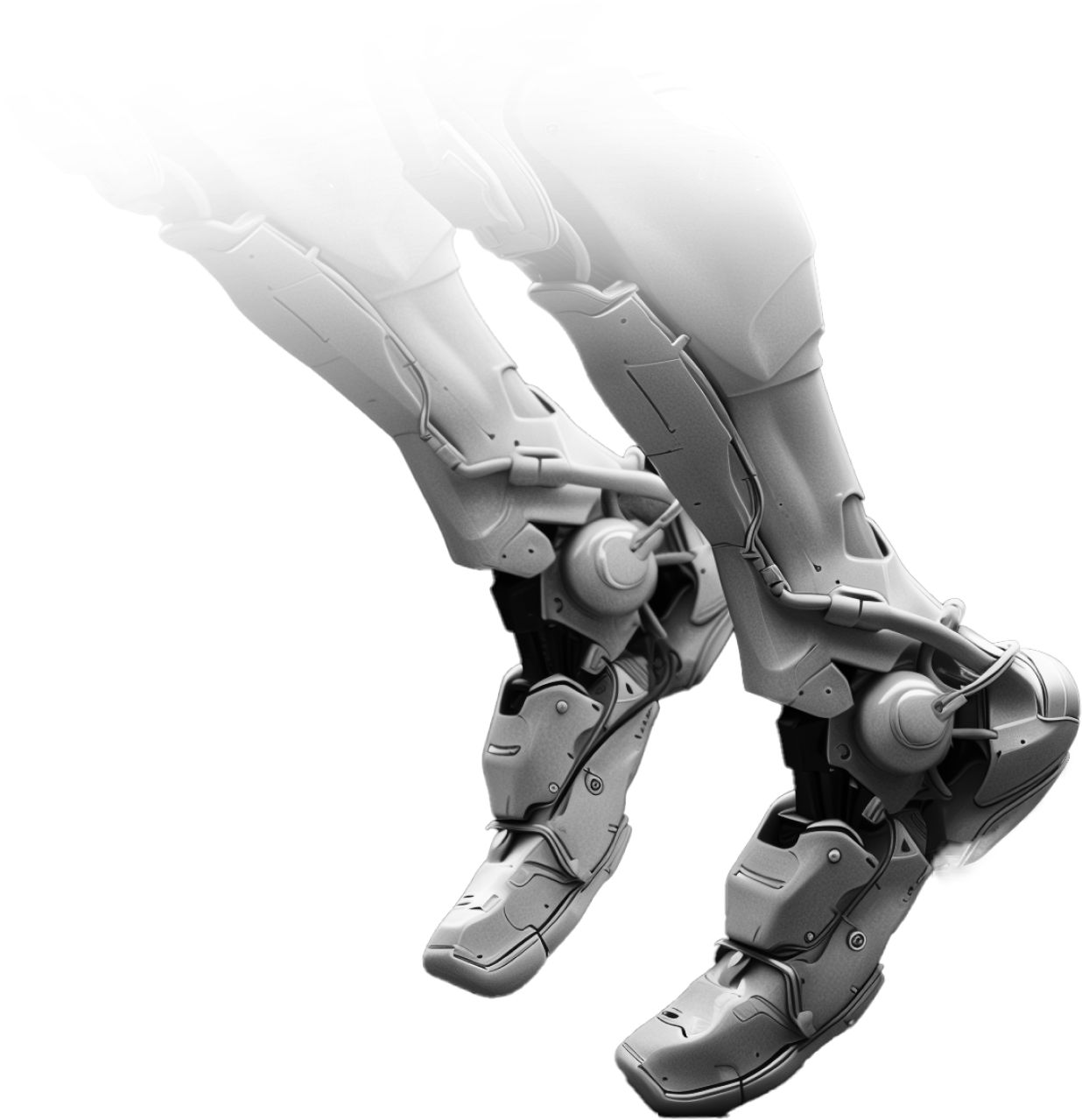
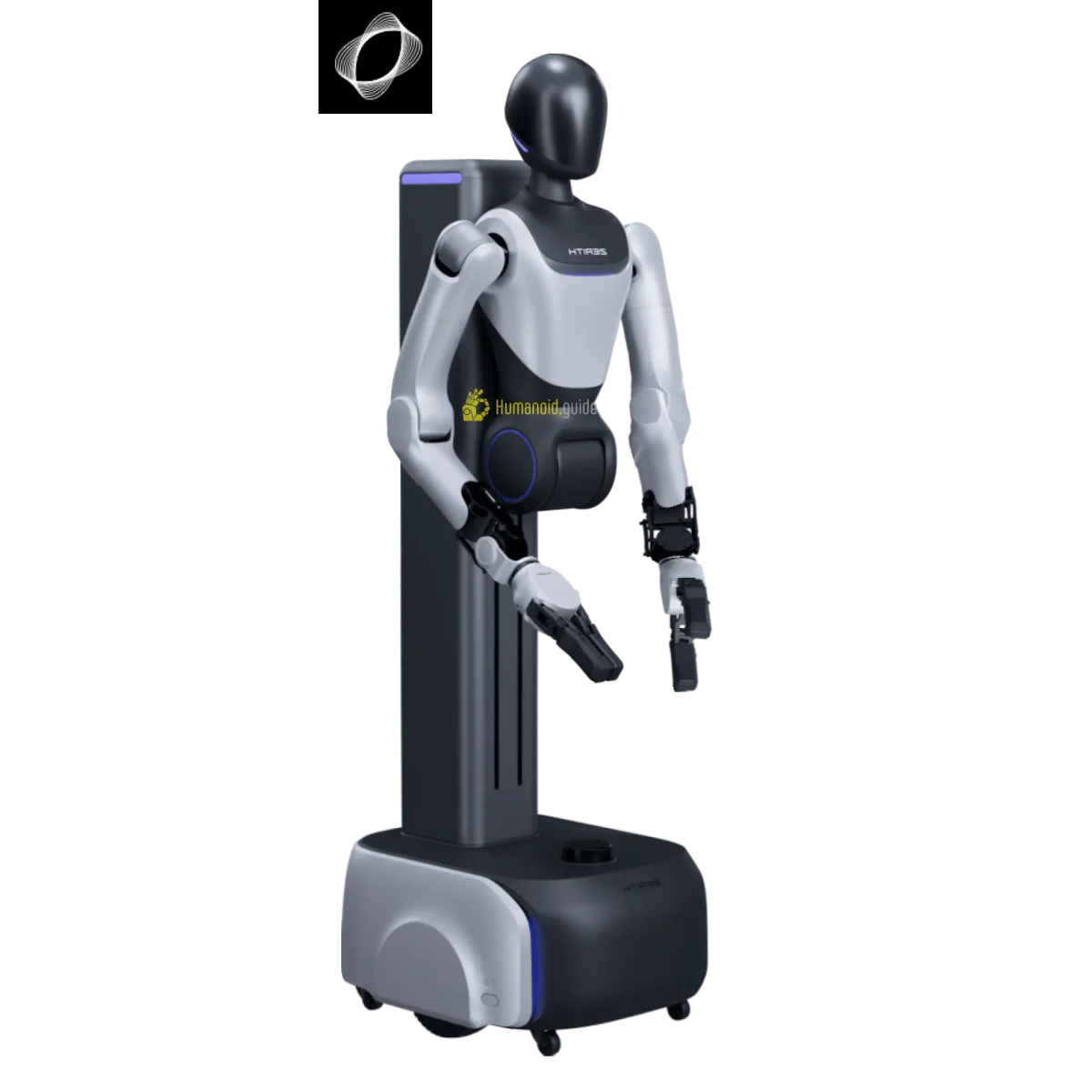
The Zerith H1 is a full-size humanoid robot developed by Zerith Robotics, a Chinese company associated with the CASBOT technology platform. Standing 180 cm tall and weighing 55 kg, it is designed for industrial shift work, including automation, logistics, and manufacturing inspection. The H1 features 23 degrees of freedom, including 7 DOF hands with two-finger gripping claws, and is powered by high-torque electric actuators. Its maximum walking speed is 5.4 km/h, and it can lift up to 10 kg. Equipped with RGB-D cameras and LiDAR, it runs on a ROS2 framework. As of 2026, the H1 remains in development, with prototypes demonstrated but no confirmed commercial availability.
Specifications
Here are the full technical specifications.
| Spec | Value |
|---|---|
| Height | 180 cm |
| Weight | 55 kg |
| Degrees of freedom | 23 |
| Battery life | 3.5 hours |
| Max speed | 5.4 km/h |
| Payload | 10 kg |
| Price (new) | Undisclosed |
| Price (used range) | N/A |
Price & Value
New MSRP: Undisclosed
Used range: N/A
No official pricing has been announced for the Zerith H1, which remains in development. Early third-party listings suggested a figure around $80,000, but these are unverified. Once released, its price will likely fall between $90,000 and $150,000, competing with similar industrial humanoids. The H1's 3.5-hour battery and 10 kg payload could offer competitive value for logistics tasks if priced aggressively. Total cost of ownership will depend on support infrastructure, software licensing, and certification requirements. Buyers should await confirmed pricing and availability before planning budgets.
Who Is It For?
Best for: - Industrial automation R&D teams needing a 180 cm tall humanoid for tall-shelf picking and logistics trials - Service and hospitality prototype testing where height is beneficial for human-like interaction - Manufacturers exploring humanoid integration for light assembly inspection (10 kg payload)
Not for: - Production environments requiring certified safety ratings (IP rating unconfirmed; no ISO compliance data) - High-payload tasks exceeding 10 kg lifting capacity - Immediate enterprise deployment (no confirmed delivery timeline)
Alternatives & Comparison
Although the Zerith H1 is pre-commercial, it enters a competitive field of full-size humanoids being developed for industrial use. Key alternatives include the Fourier GR-2, Tesla Optimus, and UBTECH Walker S.
| Model | Price | Available | Key Difference |
|---|---|---|---|
| Fourier GR-2 | Undisclosed (pre-commercial) | no | 51 DOF for advanced manipulation, but shorter at 165 cm |
| Tesla Optimus | Undisclosed (pre-commercial) | no | Backed by Tesla's AI and manufacturing scale; 2.3 m/s speed |
| UBTECH Walker S | Undisclosed (enterprise-only) | yes | Enterprise-ready with real-world automotive deployments |
Verdict: For tall-stature logistics tasks, the Zerith H1’s 180 cm height and 5.4 km/h speed are attractive if it reaches production. However, Fourier’s higher DOF may suit manipulation-heavy roles, while Walker S is the only field-proven option for immediate deployment. Tesla Optimus promises mass-production economics but remains in early stages. Until Zerith delivers units and pricing, the H1 is a speculative but promising entrant.
Use Cases & Capabilities
Industrial Automation and Inspection
The Zerith H1 is built for tasks like quality inspection, machine tending, and light assembly. Its 10 kg payload allows it to carry tools and components, while RGB-D cameras and LiDAR enable navigation in structured factory environments. The 180 cm height gives it reach advantages over shorter humanoids for overhead inspection or tall shelving. As a pre-commercial unit, however, it lacks proven uptime and safety certifications, limiting its immediate deployment in live production lines.
Logistics and Material Handling
With a walking speed of 5.4 km/h and 3.5-hour battery life, the H1 targets shift-based logistics tasks such as warehouse picking, palletizing, and goods transfer. Its two-finger grippers can handle boxes and packaged items, and the ROS2 framework allows integration with warehouse management systems. The robot's height is a distinct advantage for reaching higher shelves without additional lifts. Still, real-world reliability and autonomous navigation in dynamic environments remain unproven.
Service and Hospitality
Although primarily aimed at industrial use, the H1's humanoid form and 180 cm stature make it suitable for service roles like reception, information kiosk, or concierge tasks. Its RGB-D perception and ROS2 stack enable basic human interaction, and the design is intended for indoor operation with assumed IP20–IP54 protection. The limited battery life (3.5 hours) and lack of commercial safety certifications currently restrict its use to controlled, non-public-facing pilot programs.
History & Background
Zerith Robotics emerged from China's bustling humanoid startup scene, with its H1 model first unveiled in 2024. The company is linked to CASBOT, a platform focused on general-purpose humanoid robots and embodied AI. The H1 was designed as a taller, faster alternative to smaller classmates, emphasizing strong leg actuators and extended runtime for shift work. Public demonstrations have shown bipedal walking, object manipulation with two-finger grippers, and basic navigation. As of 2026, the H1 is still in the prototyping phase, with no mass production timeline announced. Zerith continues to collect pilot feedback from industrial partners to refine the robot's capabilities.
Buying Used — What to Check
Verify motor and actuator condition Pre-production prototypes may have limited run hours if resold.
Check battery health Battery life is stated at 3.5 h; prototypes may show degradation.
Confirm safety certifications No IP rating verified; ensure it meets your facility's standards.