

Humanoid robots are no longer just dancing on YouTube. Companies like Figure and Tesla are now livestreaming their bipedal machines performing real tasks on active factory floors, marking a shift from choreographed stunts to verifiable production readiness. For buyers evaluating whether to bet on this technology, the era of transparent, real-time proof has begun.
- Why Are Robot Companies Livestreaming Their Machines?
- Which Humanoid Makers Are Leading the Transparency Push?
- What Makes a Livestream More Credible Than a Polished Demo Video?
- What This Means for Buyers
- Frequently Asked Questions
Why Are Robot Companies Livestreaming Their Machines?
To build trust with skeptical buyers. After years of pre-recorded, heavily edited demos that often hid failures, industrial customers started demanding proof that humanoids could handle real, repetitive, and messy work. Livestreaming eliminates the ability to cherry-pick successes or splice together best takes. If the robot drops a part, stalls, or needs a reset, the viewer sees it in real time.
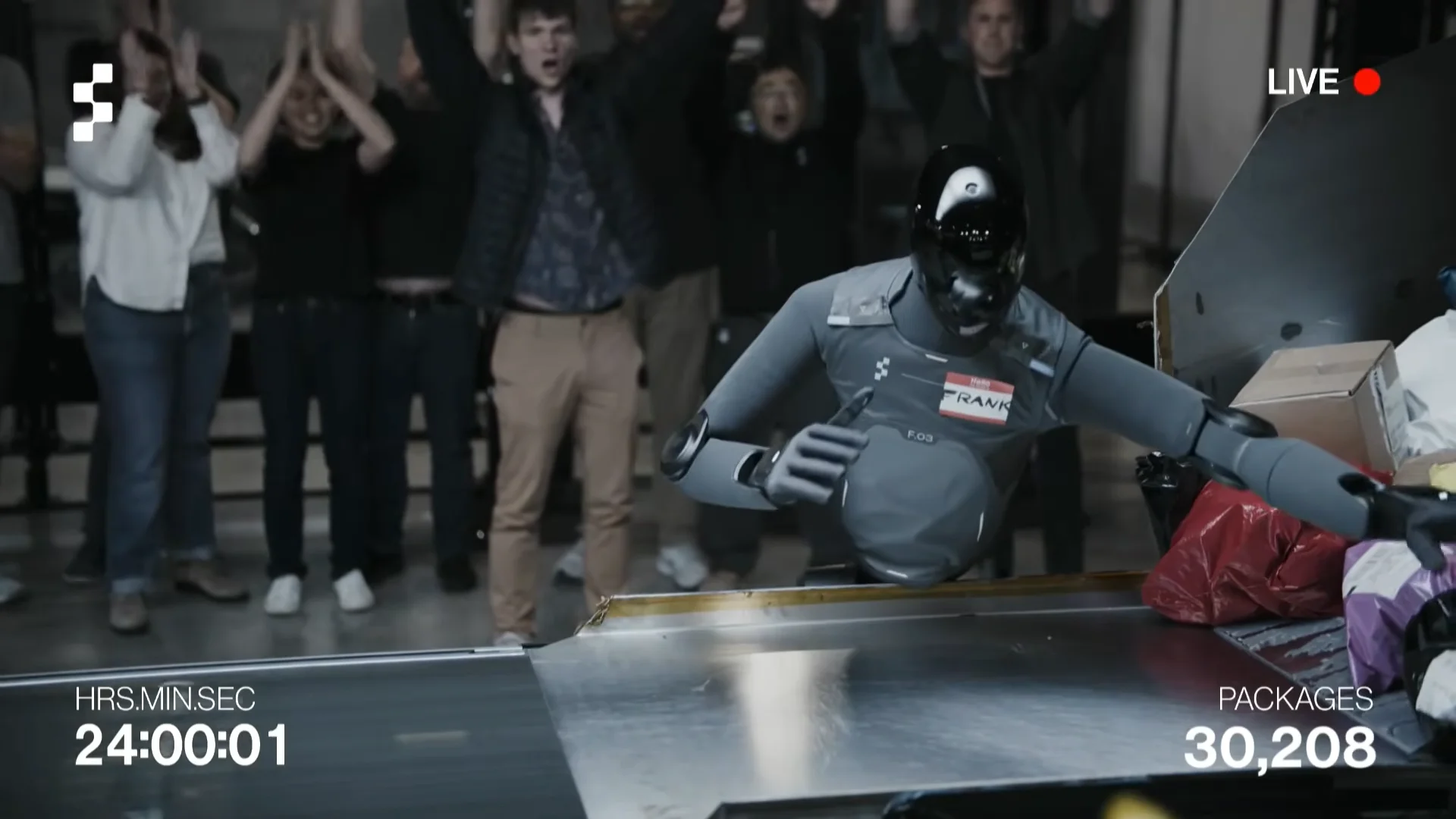
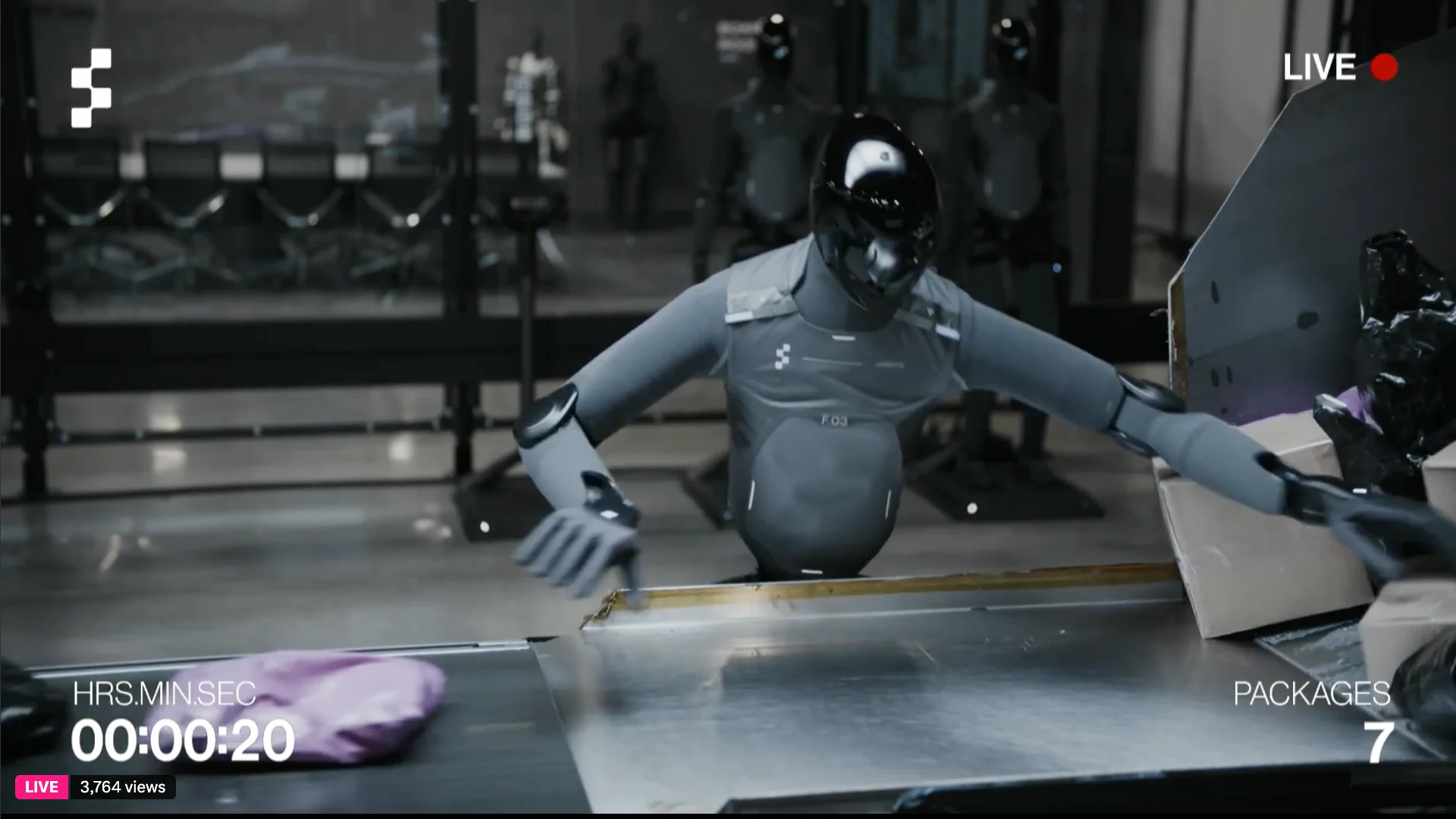
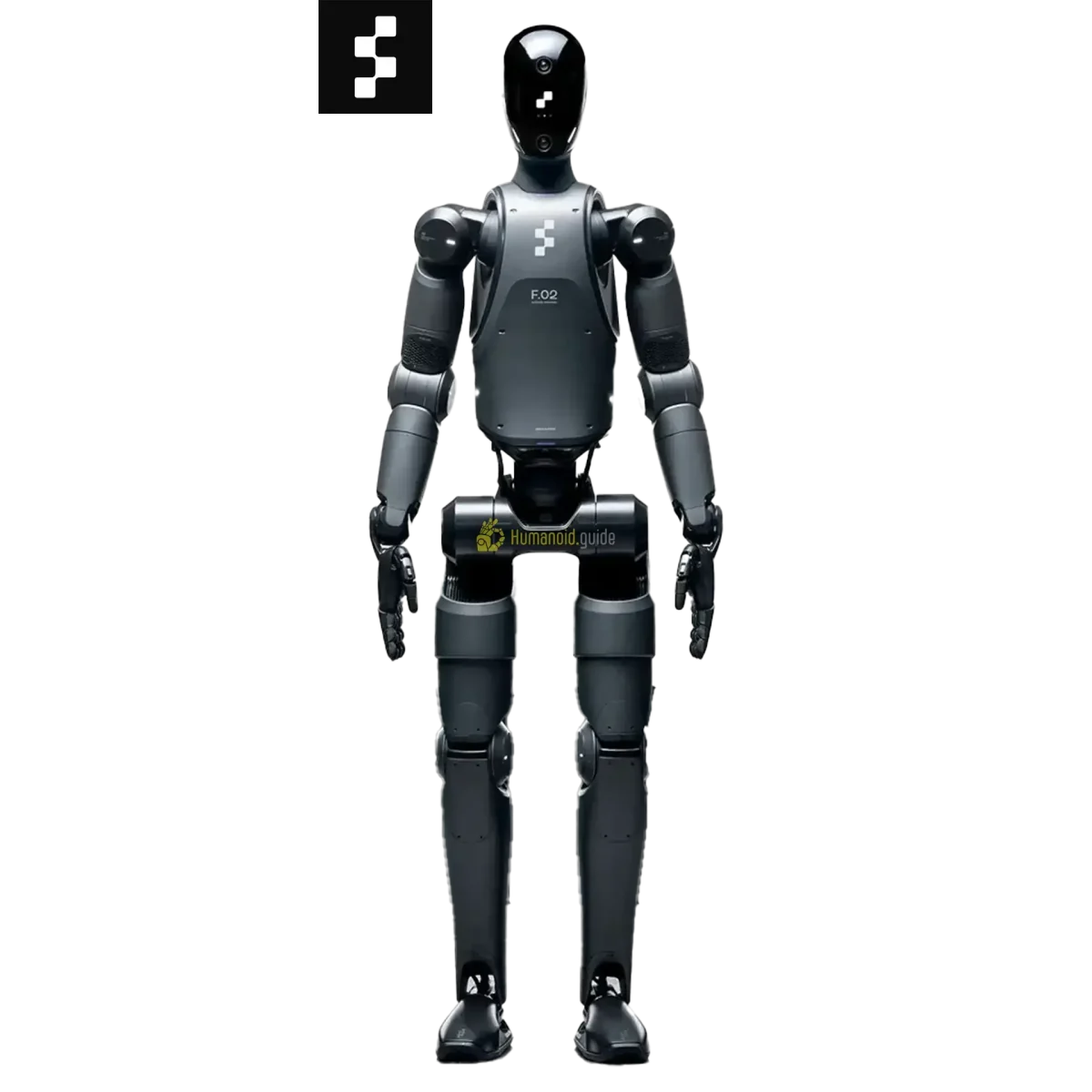
The approach mirrors what autonomous vehicle companies tried years ago with random-choice ride logs — but with a critical difference. A robot that fails on camera is more honest than one that never shows its worst day. According to Forbes, Figure recently ran a 24-hour continuous livestream where its humanoid Figure 02 performed tasks like picking and placing components on a logistics line without interruption. The objective, the company stated, was to prove reliability under the same conditions a human worker would face — shift length included.
Which Humanoid Makers Are Leading the Transparency Push?
Figure is the most aggressive so far, with a dedicated livestream channel showing continuous operation. Tesla has also increased factory-floor footage of Optimus, though typically in shorter clips. Unitree and Agility Robotics have released extended uncut videos but not true livestreams. Below is how the leading platforms compare on current transparency efforts:
| Company | Livestream Length | Tasks Demonstrated | Location |
|---|---|---|---|
| Figure (Figure 02) | 24 hours (continuous) | Picking, placing, packing | Logistics center |
| Tesla (Optimus Gen 3) | Segments (5–15 min) | Part sorting, walking | Tesla factory |
| Unitree (H1/G1) | None (uncut videos) | Warehouse shelving | Demo facility |
| Agility Robotics (Digit) | None (long uncut clips) | Box moving (tote-to-conveyor) | Pilot customer site |
The trend is clear: the more a company wants to secure serious purchase orders, the more likely it is to go live. Figure, for example, has stated that livestreaming lets potential customers watch an entire shift without needing to visit the facility — a major time-saver for multinational buyers.
What Makes a Livestream More Credible Than a Polished Demo Video?
A livestream is the difference between a movie trailer and a live sporting event. One is edited for drama; the other unfolds in real time, including mistakes. In a conventional demo video, a robot might perform a perfect pick sequence five times, then the footage is cut to show only successes. A livestream forces the robot to operate for hours — encountering edge cases, lighting changes, and fatigue that edited videos never capture.
This raw honesty is already changing procurement conversations. According to buyers quoted in the Forbes report, watching a robot fail and then self-correct on a live feed builds more confidence than a flawless five-minute clip. It proves the system can recover from real-world unpredictability — a robot that never fails is one that never truly ran in a loop.
What This Means for Buyers
For anyone evaluating a humanoid robot purchase, a livestream should become a required step in the due diligence process. It strips away the studio polish and shows the machine operating under the exact conditions you would deploy it in. Here is what to watch for:
- Task diversity: Is the robot doing only one repetitive action, or switching between tasks like a human worker would?
- Recovery time: How long does it take to reset after a dropped part or a stall? Under 30 seconds is considered acceptable for early deployments.
- Shift endurance: Can it sustain performance for multiple hours without degrading? A 24-hour stream like Figure's is the gold standard.
The implication for the industry is that the bar for proof has risen. Companies that cannot or will not livestream will face increasing skepticism from procurement teams. If you are actively evaluating humanoids, consider platforms that offer live observation — and if they do not, ask why.
Ready to compare options? Browse humanoid robots for sale on BotMarket to see current models, specs, and pricing from leading manufacturers.
Frequently Asked Questions
Why are humanoid companies suddenly livestreaming? Buyers demanded proof after years of polished demo videos that rarely translated to production reliability. Livestreaming forces accountability by showing raw, unedited performance over extended periods.
Which robot makers have livestreamed so far? Figure has run a 24-hour continuous stream of its Figure 02 in a logistics facility. Tesla has released factory-floor footage of Optimus in shorter segments. Unitree and Agility have shared long uncut videos but not true live streams.
Does a livestream guarantee a robot is production-ready? No, but it provides stronger evidence than edited demos. A livestream shows endurance, recovery from errors, and real-world lighting/surface conditions. It does not capture long-term maintenance costs or failure modes that appear only after weeks of operation.
How can I watch these livestreams? Figure hosts its livestream on its website and YouTube channel. Tesla occasionally streams through its investor events and social media. Check each company's official channels for upcoming live events.
What should I look for during a livestream? Task variety (single action vs. multiple), recovery time after errors, shift length without performance drop, and environmental consistency (lighting, noise, floor condition). A robot that handles all three well is more likely to succeed in your facility.
Conclusion
The shift from choreographed demos to live, real-time proof marks a turning point for humanoid robotics. Buyers no longer have to take vendors at their word — they can watch, critique, and compare for themselves. Figure's 24-hour stream has set a new transparency standard, and the rest of the industry will likely follow. For now, the robots that stream live are the ones that have the most confidence in their own hardware.











चर्चा में शामिल हों
Would a 24-hour robot livestream change your purchase decision? Why or why not?