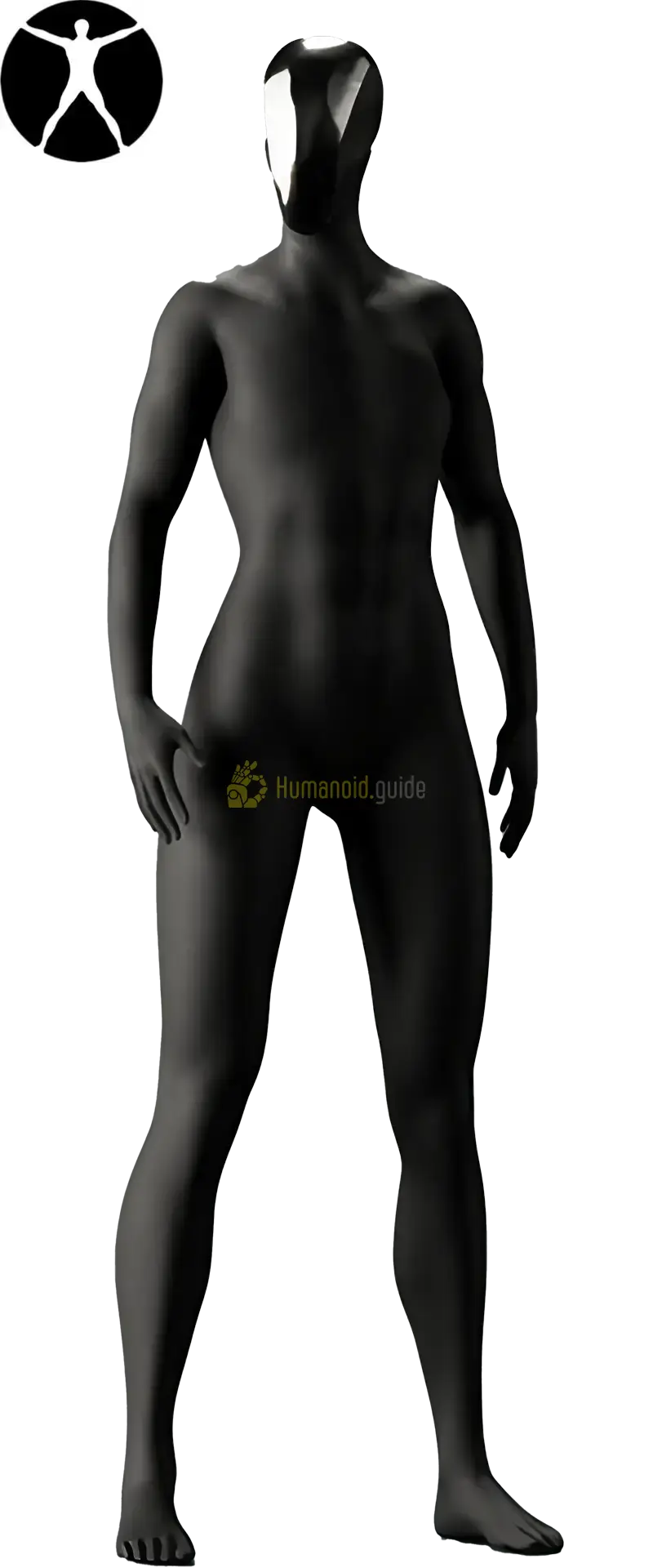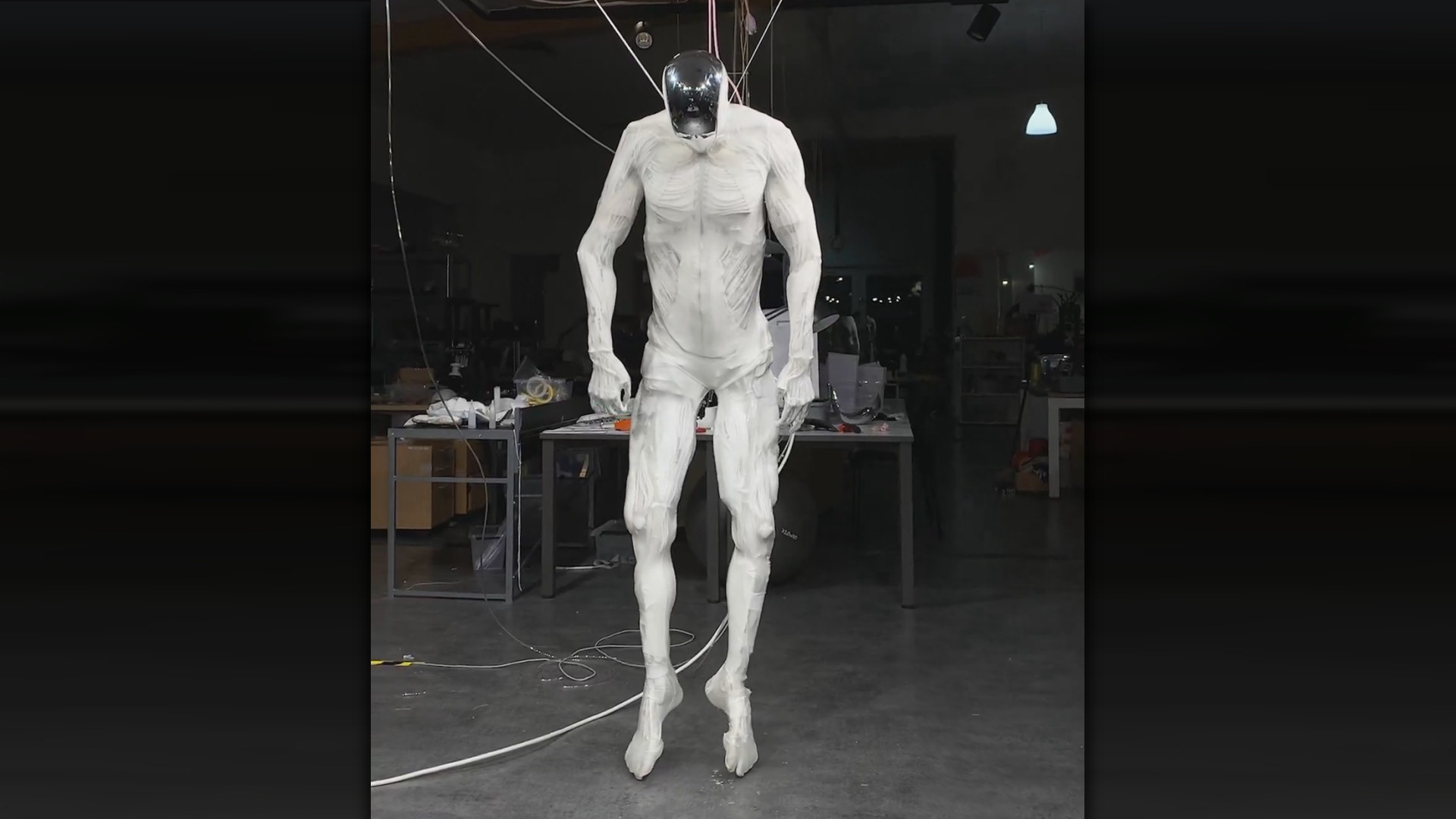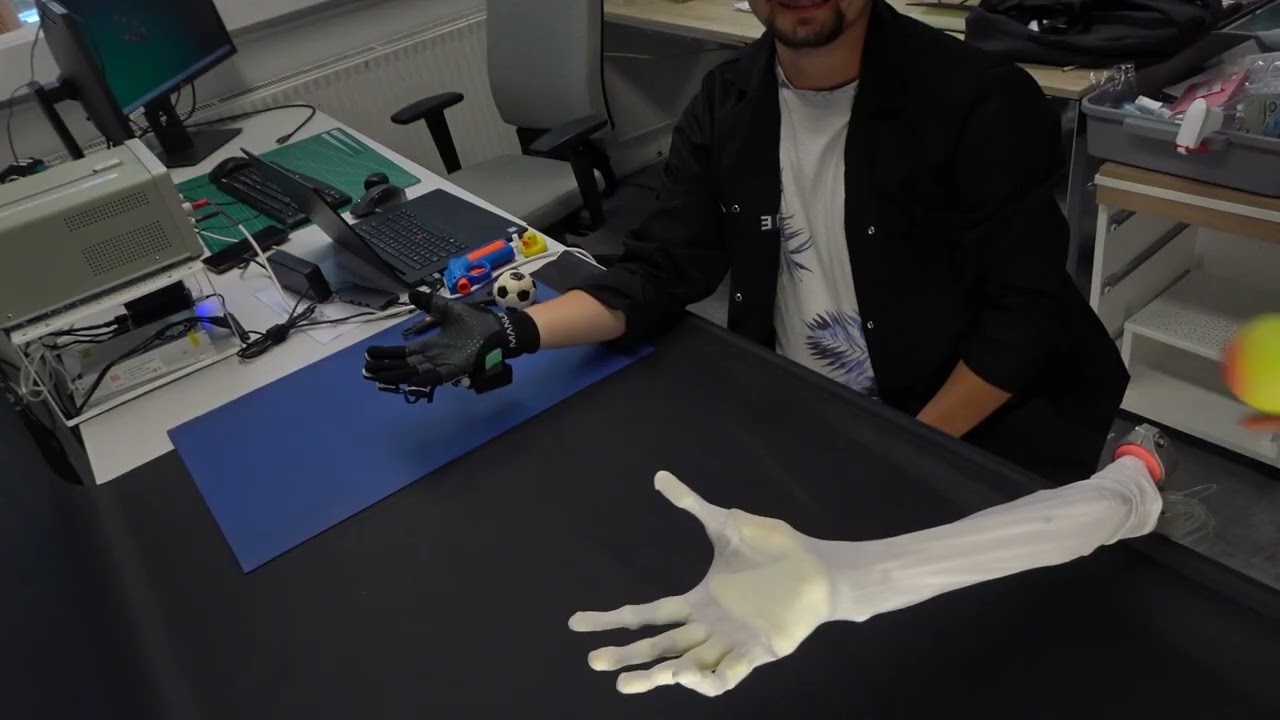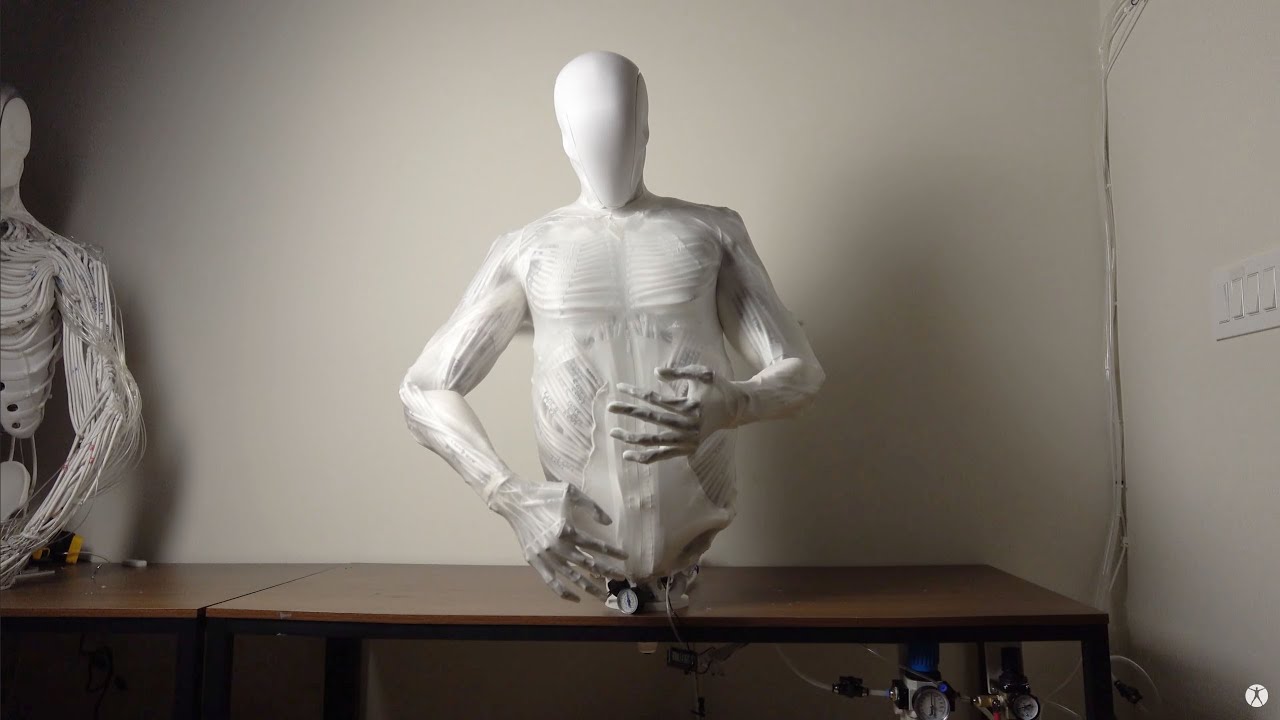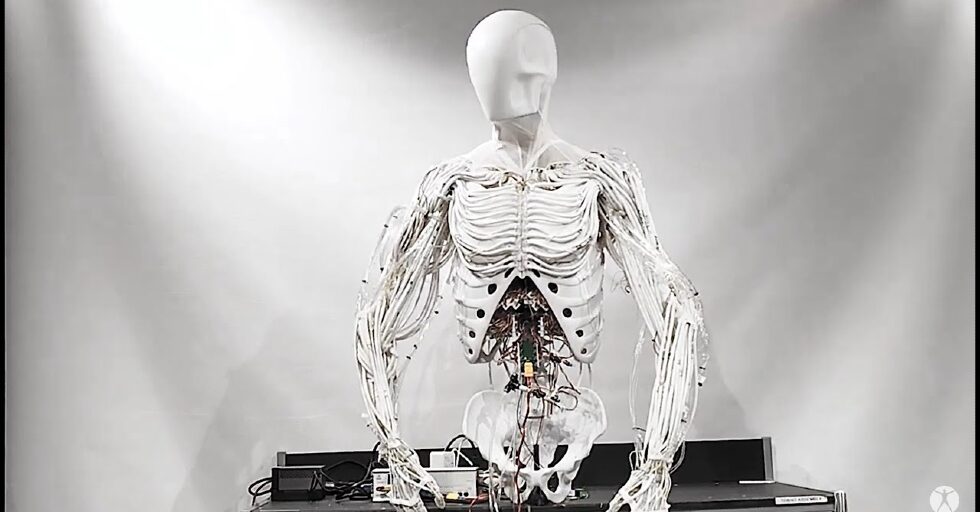
Clone Alpha is a biomimetic humanoid robot developed by Clone Robotics, a company based in Poland. Clone Alpha takes a radically different approach from most humanoids: instead of rigid links driven by electric servo motors, it is built around an artificial musculoskeletal system. The robot uses a synthetic skeleton modeled on human anatomy and "Myofiber" artificial muscles actuated by a water-based hydraulic system, with the explicit goal of replicating human anatomy and motion as closely as possible.
Price Range
Clone Alpha is a prototype. Clone Robotics has generated significant attention for the design, but there is no broadly available product with a confirmed list price. A robotics aggregator lists an estimate of around $100,000; treat it as indicative only.
| Basis | Figure |
|---|---|
| Aggregator estimate | ~$100,000 (indicative only) |
| Confirmed manufacturer price | Not published |
| Availability | Prototype |
Full Specifications
Some figures are estimated by comparison with similar robots, as Clone Robotics has not published a complete spec sheet.
| Spec | Value (reported / estimated) |
|---|---|
| Height | ~1.70 m (average human height) |
| Weight | ~60 kg (estimated; not officially confirmed) |
| Degrees of freedom | ~164 in the upper torso (incl. ~20 in the shoulder, ~6 per spinal vertebra, ~26 across hand/wrist/elbow) |
| Skeleton | ~206 artificial bones, modeled on the human skeleton |
| Actuation | "Myofiber" artificial muscles, water-based hydraulic system |
| Muscle force | Each ~3-gram Myofiber strand can contract with a force of at least ~1 kg |
| Runtime | ~1–2 hours (estimated, category-typical) |
Model Breakdown
Clone Alpha is presented as a single biomimetic prototype. The entire value proposition is the artificial-muscle architecture; there is no tiered lineup. Clone Robotics' broader strategy centers on the underlying Myofiber muscle technology, which the company treats as the core innovation that the humanoid showcases.
Buyer's Guide: What to Know
This is an experimental platform, not a purchasable product. Clone Alpha is at the prototype stage. The ~$100k figure is an aggregator estimate.
The artificial-muscle approach is the whole point — and the whole risk. Water-hydraulic Myofiber actuation promises very human-like, compliant motion and an extraordinary degree-of-freedom count. It is also unproven at scale compared with conventional electric-actuator humanoids. Endurance, reliability, and maintainability are open questions.
Degree-of-freedom counts are not directly comparable. Clone Alpha's ~164 upper-body DOF reflects a fundamentally different mechanical philosophy; comparing that number head-to-head with a 28-DOF electric humanoid is misleading.
Clone Alpha vs Similar Robots
- Clone Alpha vs 1X NEO Gamma: Both pursue human-safe, compliant designs, but by different means — NEO Gamma uses soft tendon-driven actuators and a soft outer body; Clone Alpha uses water-hydraulic artificial muscles on a synthetic skeleton.
- Clone Alpha vs Figure 02 / Apptronik Apollo: Those are conventional electric-actuator industrial humanoids with real deployments; Clone Alpha is an anatomy-replication research project.
- Clone Alpha vs Tesla Optimus: Optimus targets mass manufacturability and low cost; Clone Alpha targets biological fidelity, an essentially opposite design priority.
Source: Clone Robotics