
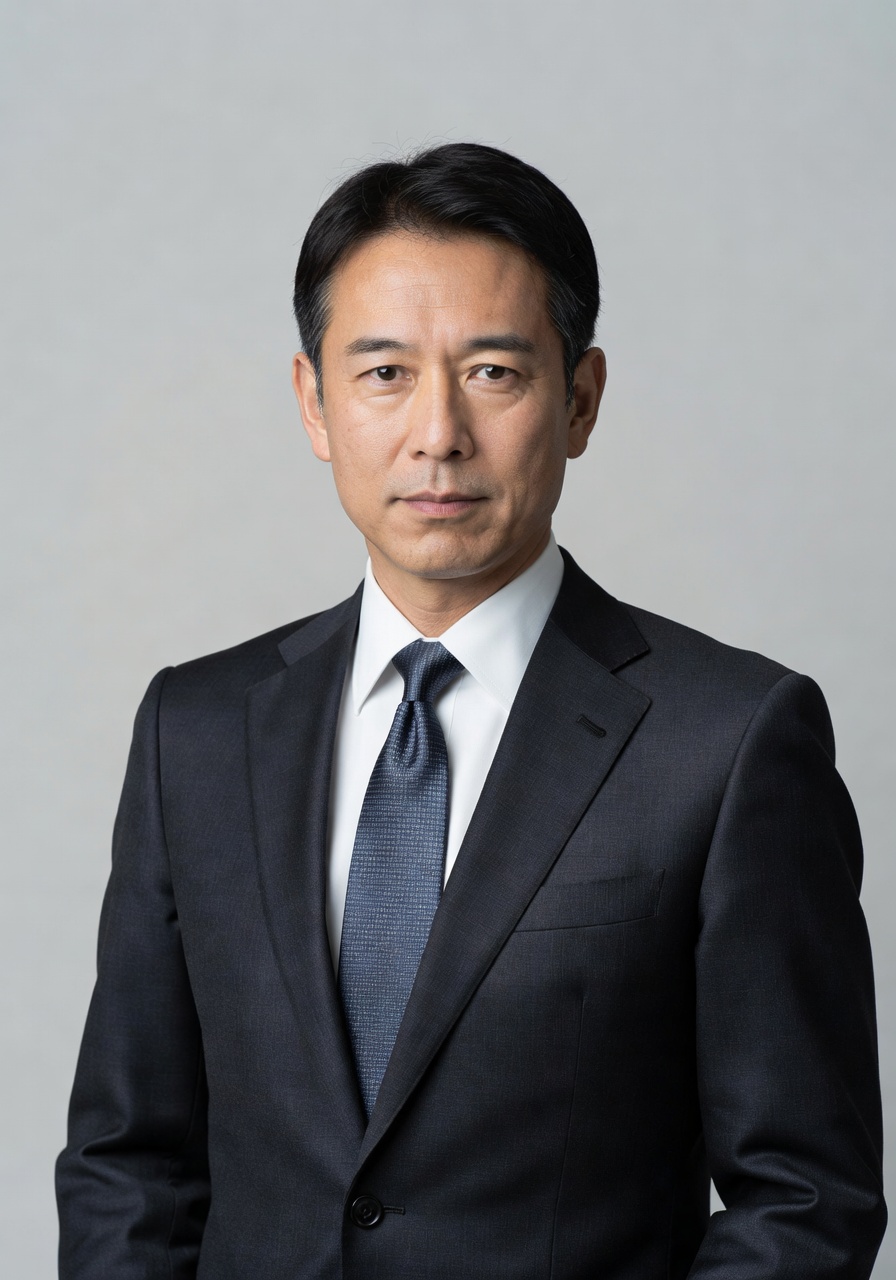
Sen. Bernie Sanders introduced the American AI Sovereign Wealth Fund Act this week, proposing that the U.S. government take a 50% ownership stake in AI companies with more than $200 million in annual revenue. If enacted, the fund would pay every American $1,000 per year from dividend earnings, directly tying the financial upside of artificial intelligence to the public.
- What the Bill Proposes
- Why a Sovereign Wealth Fund?
- Political and Industry Reactions
- The Profitability Problem
- What Happens Next
- What This Means for the Industry
- Frequently Asked Questions
- Conclusion
What the Bill Proposes
The American AI Sovereign Wealth Fund Act would create a seven-person independent commission appointed by the president and confirmed by the Senate. This commission would manage the government’s ownership stake in AI companies, representing the public interest in corporate decisions.
Companies affected would include the biggest names in AI: OpenAI, Anthropic, Google DeepMind, and others crossing the $200 million annual sales threshold. The bill also requires companies with non-AI business lines to separate them, ensuring the public’s stake applies only to the AI operations.
Sanders estimates that at current valuations, the fund would be worth $7 trillion. The plan calls for paying out annual $1,000 dividends to every American from an expected 5% dividend yield from these companies.
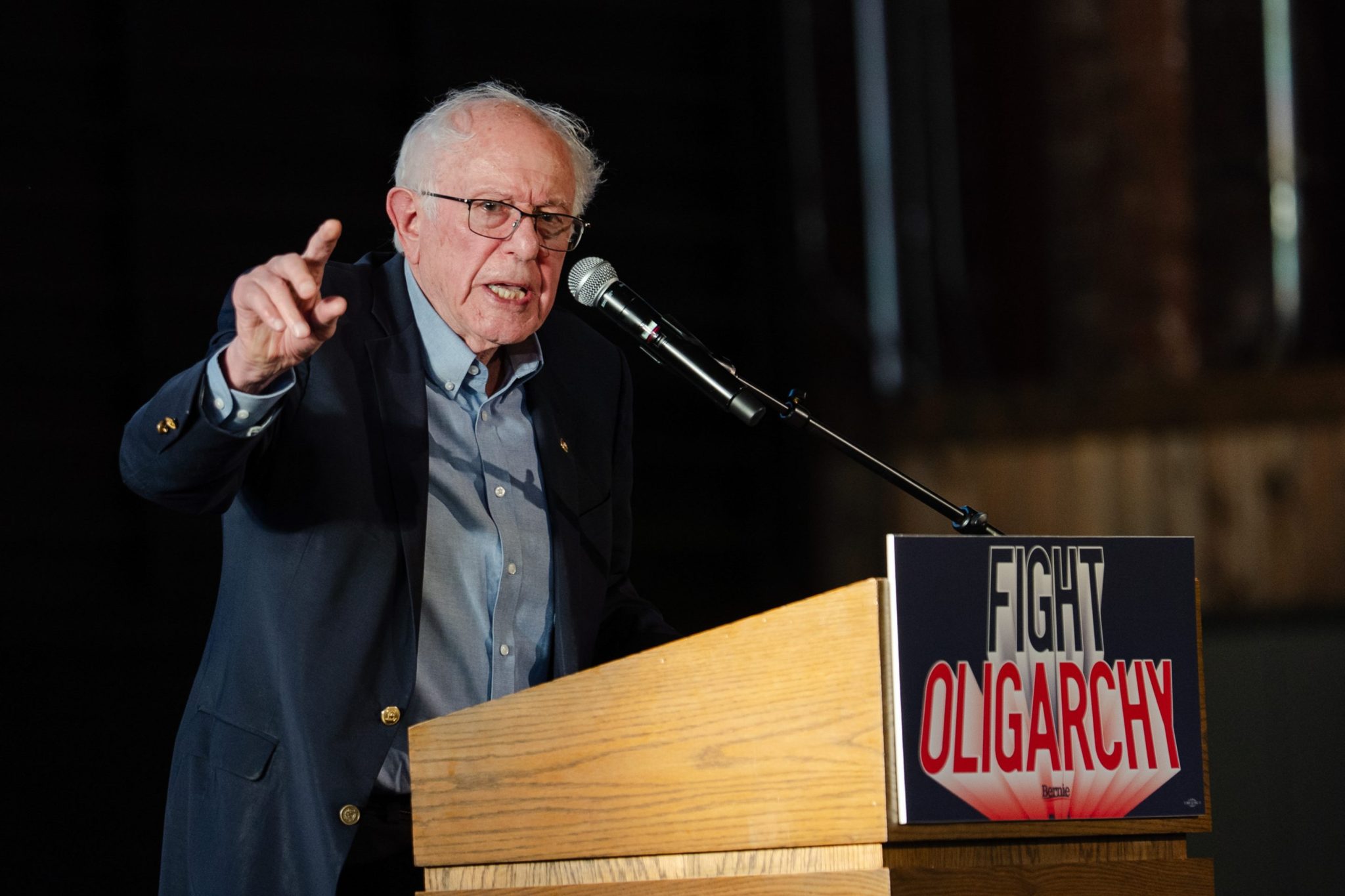
“AI is built on the foundation of human knowledge, of the work of millions and millions of people,” Sanders said on a call with reporters. “Every tweet that you send out, every email that you send out, every article that you write, that’s part of AI. The American people should be able to stop what’s bad and benefit from the financial gains of AI.”
Why a Sovereign Wealth Fund?
Sovereign wealth funds are state-owned investment vehicles that manage national public assets. Countries like Norway, China, and the United Arab Emirates already use them. In the U.S., Texas and New Mexico have maintained similar funds for decades, primarily to fund education.
Sanders frames the proposal as a counterweight to Big Tech’s growing influence. He argues that AI companies have “a gun at our heads” because of their ability to spend heavily on political campaigns to block regulation. The fund would give the public a direct voice in how AI develops, rather than leaving decisions solely to corporate executives and shareholders.
According to Fortune, Sanders said the goal is “to make AI work for ordinary people, not just for Mr. Musk and other multibillionaires.”
Political and Industry Reactions
The idea of government equity in AI companies has surprising bipartisan interest. President Donald Trump has similarly proposed that the government take a direct stake in AI companies, though his administration hasn’t specified ownership percentages or how the stake would be used. Commerce Secretary Howard Lutnick reportedly supports a sovereign wealth fund approach, while Treasury Secretary Scott Bessent favors using equity to fund Trump Accounts — a separate proposal for government-managed investment accounts.
OpenAI CEO Sam Altman met with Sanders for nearly an hour earlier this month at Altman’s request. Altman told Sanders he agrees that the public should have equity in AI companies but could not support a 50% stake. Sanders described the meeting as a “good discussion” and called Altman a “good politician,” but maintained that corporate and public interests are fundamentally misaligned.
“Their goal is to make as much money as they can, not concerned about the impact it has on the American people or people throughout the world,” Sanders said.
Sanders said he has discussed the bill with other senators but has no official cosponsors yet. He did not name specific allies.
The Profitability Problem
There’s a major obstacle to Sanders’ plan to start cutting checks: most of the most valuable AI companies — including OpenAI and Anthropic — are not profitable. In fact, they are burning cash aggressively on training models and infrastructure.
When asked what happens if these companies continue to post zero profit, Sanders responded: “The American people are not going to lose any money, because we are going to be owning half of the stock. We’re not buying it. We’re getting it.”
The bill mandates that the government receives ownership stakes without paying for them — essentially a form of equity granted to the public. This sidesteps the valuation question but raises legal and constitutional issues around seizure of private property without compensation.
The dividend model depends on these companies eventually becoming profitable. If they remain loss-making for years, the fund would generate no income, and the $1,000 payments would not materialize. Sanders acknowledged the uncertainty: “We will see what happens.”
What Happens Next
The bill faces long odds in a divided Congress. Even with some White House interest, the proposal is a political lightning rod. Critics will argue it amounts to government takeover of a thriving industry; supporters will frame it as necessary redistribution.
Still, the principle that Americans should directly benefit from AI’s economic gains is gaining traction. Altman’s willingness to engage suggests major AI companies recognize the political pressure. Even if this specific bill doesn’t pass, it sets a marker for future policy debates about who owns the value created by artificial intelligence.
What This Means for the Industry
For AI companies, the Sanders bill represents a worst-case regulatory scenario — mandated government ownership, profit sharing, and operational separation of AI from other businesses. Even if it doesn’t pass, it signals that lawmakers are serious about extracting public value from AI’s economic output.
For investors, the proposal injects massive uncertainty into valuations. If a 50% government stake were ever implemented, it would dramatically reduce the available equity for private shareholders and cap returns. Venture capital firms backing AI startups would face a fundamentally different exit landscape.
For competing AI firms outside the U.S., the bill could create a disadvantage for American companies, which would face unique ownership requirements. Meanwhile, countries with existing sovereign wealth funds — like Norway and the UAE — already have frameworks that could accommodate similar stakes.
The broader tech industry should watch this closely. If the AI sovereignty fund model gains traction, it could extend to other critical technologies like quantum computing, biotech, or semiconductors. The Sanders bill, while unlikely to become law, marks a major escalation in the debate over who controls and benefits from the most transformative technology of the decade.
Frequently Asked Questions
Which companies would be affected by the bill? Any AI company with annual sales exceeding $200 million. This would include OpenAI, Anthropic, Google DeepMind, and likely others like Cohere or Mistral AI as they scale.
How would the government get 50% ownership without paying? The bill grants the government ownership stakes as a form of public equity. Companies would be required to issue new shares to the sovereign wealth fund, diluting existing shareholders. The legal mechanism would likely face constitutional challenges.
Would every American really get $1,000 per year? The plan calls for annual dividends of $1,000 from the fund’s 5% yield. However, this depends on the companies being profitable and paying dividends. Many AI companies are currently unprofitable, so payments might not start for years, if ever.
Has President Trump supported similar ideas? Yes. Trump has proposed that the government take a direct equity stake in AI companies. His administration hasn’t specified a percentage or how the stake would be used, but Commerce Secretary Lutnick supports a sovereign wealth fund approach.
What did Sam Altman say about the proposal? Altman agreed in principle that the public should have equity in AI companies but told Sanders he could not support a 50% government stake. The two met for nearly an hour to discuss the idea.
Is this bill likely to pass? It faces steep odds in the current Congress. While the idea has bipartisan interest, the specific 50% ownership provision and mandatory dividend structure are politically controversial. The bill may serve more as a statement of intent than a near-term law.
Conclusion
Bernie Sanders’ American AI Sovereign Wealth Fund Act represents the most aggressive proposal yet to redistribute AI’s financial gains to the public. It’s unlikely to become law in its current form, but it reframes the conversation around who should own and benefit from artificial intelligence — a debate that will only intensify as AI’s economic footprint grows. Whether through sovereign wealth funds, equity grants, or taxation, the question of public value capture from AI is now firmly on the political agenda.






Pridružite se raspravi
Should the government own part of AI companies?