

China’s aggressive push into humanoid robotics could offset up to 60% of its projected working-age population decline by 2035, according to new Barclays research. The forecast intensifies the global automation-versus-jobs debate while signaling a seismic shift in industrial economics. If robots absorb the labor shortfall as predicted, China could maintain its manufacturing dominance without relying on immigration or a birth-rate recovery.
- What Did Barclays Actually Project?
- How Big Is China’s Population Slump, Really?
- Is This Just a Job-Killing Robot Army?
- Cost Comparison: Robot Leasing vs. Factory Worker Wages
- What This Means for Global Buyers
- Frequently Asked Questions
What Did Barclays Actually Project?
Barclays analysts estimate that humanoid robots could offset between 40% and 60% of China’s projected labor force decline through 2035, assuming current deployment rates and government subsidies continue. China’s working-age population (15–59) is expected to shrink by roughly 100 million people in that window, leaving a gap equivalent to the entire manufacturing workforce of Germany and Japan combined. Robots, the bank argues, will fill the gap in sectors where automation penetration is already high: electronics assembly, automotive, and logistics.
The projection arrives as China’s birth rate has fallen to 0.49 children per woman, and the total population dropped in 2022 for the first time in six decades. The Barclays note positions humanoid robots not as a productivity luxury, but as a structural necessity to sustain the industrial base. Even a 60% offset, however, leaves 40% of the shortfall unaddressed — a gap the bank suggests could be partially closed by continued migration of workers from agriculture into manufacturing, and by productivity gains from AI-driven process optimization.

How Big Is China’s Population Slump, Really?
The demographic math is stark. China’s working-age cohort — already declining — could contract by over 200 million people by 2050, according to UN projections. In the near term, the country faces a deficit of 35-40 million factory workers by the early 2030s as older cohorts retire and fewer young workers enter the labor market. This isn’t a slow erosion; it’s an accelerating collapse in the prime-age workforce that has underpinned China’s export economy for 30 years.
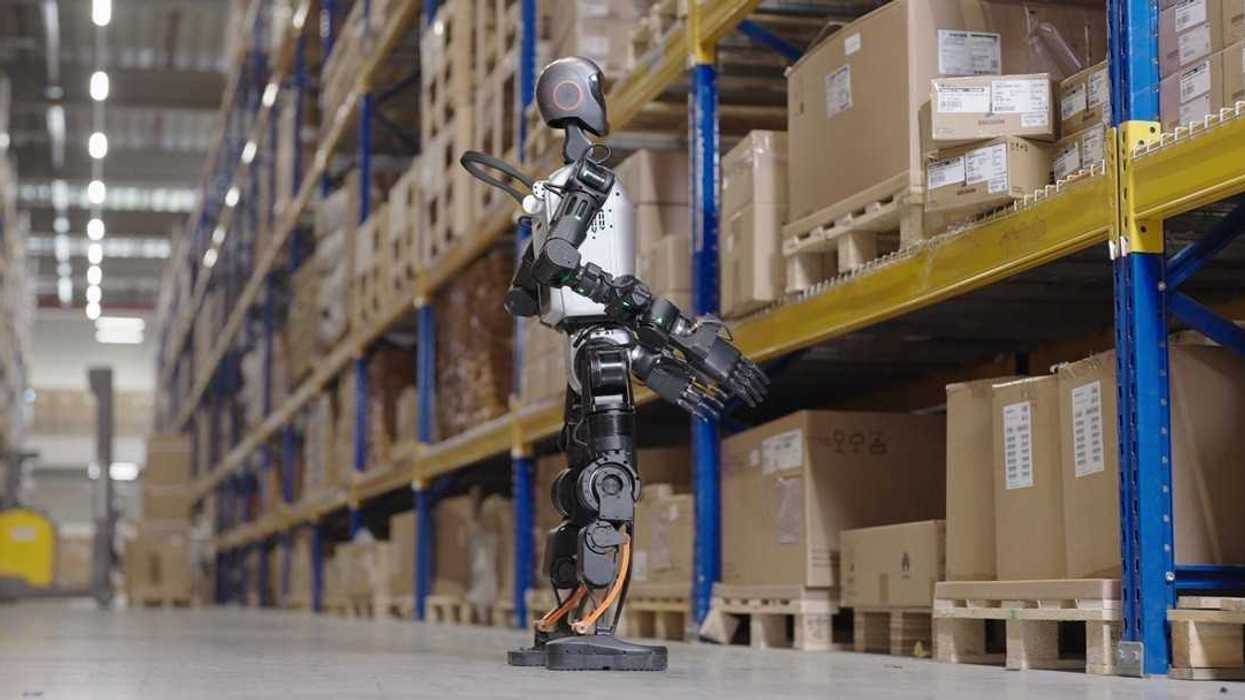
The Barclays note maps this timeline directly onto the robotics deployment curve. China currently produces roughly 50,000 industrial robots per year, and the government has set a target to deploy 1 million humanoid robots by 2030. Even if a fraction of those are operational by 2035, the math works: each humanoid working two shifts could replace 2–3 human workers in repetitive assembly tasks, and the country needs to offset tens of millions of labor units annually.
Yet demographic decline isn’t uniform. Coastal manufacturing hubs like Guangdong and Zhejiang face far tighter labor markets than inland provinces. This geographic imbalance is already accelerating robot adoption where wages are climbing fastest — exactly the regions where Barclays sees the highest offset potential.
Is This Just a Job-Killing Robot Army?
The “robots stealing jobs” narrative is complicated by China’s unique demographic pressure. Barclays frames the offset as complementing a shrinking labor pool, not displacing an existing one. In theory, if robots fill jobs that no human wants or exists to fill, displacement is minimal. In practice, the transition creates losers: workers in roles that are automatable before they retire, and mid-career workers who cannot shift into higher-skill roles as quickly as robots roll out.
The controversy intensifies because of the speed. A 60% offset implies China is on track to deploy hundreds of thousands of humanoid robots in factories by 2035, potentially the largest single wave of physical AI integration in history. That pace could disrupt communities that depend on factory wages, even as aggregate GDP grows. Worker retraining programs and social safety nets, the note cautions, must scale in parallel.
Barclays stops short of predicting net job destruction. Instead, it models a scenario where robot deployment prevents manufacturing flight to lower-cost countries — keeping work inside China, but shifting it from human hands to actuators. Whether that preserves economic opportunity or simply concentrates it in robot-operating firms is the unresolved question.
Cost Comparison: Robot Leasing vs. Factory Worker Wages
The economics of the Barclays forecast hinge on a closing cost gap between Chinese factory workers and humanoid robot leasing. Today, an experienced assembly line worker in Shenzhen earns roughly CNY 7,500 per month (approximately $1,040), with total employer costs — including insurance, housing fund, and overtime — approaching $1,400 monthly. In contrast, leasing a mid-tier humanoid robot currently runs between $2,500 and $5,500 per month, depending on payload and capabilities.
But that premium is eroding fast. Unitree’s G1 humanoid, for example, targets $16,000 purchase price for basic models, implying a monthly lease cost below $600 if financed over three years. As Chinese manufacturers scale production, Barclays projects that 60% of the labor offset will occur only once lease costs fall below $1,200 per month — parity with a fully burdened worker. The table below compares the current state:
| Cost Factor | Factory Worker (Shenzhen) | Humanoid Robot (leased, mid-range) |
|---|---|---|
| Monthly base cost | $1,040–$1,400 | $2,500–$3,200 |
| Extra shifts / OT | 1.5× hourly premium | Zero incremental cost |
| Annual cost (24/6) | $32,000+ | $30,000–$38,400 |
| 2030 projected cost | $1,500+ | $1,000–$1,400 |
The turning point comes when a robot that works two shifts costs less than two workers — a threshold Chinese manufacturers are approaching in electronics assembly lines. For buyers, the argument shifts from “if” to “when” — and that timing is now measured in months, not years.
What This Means for Global Buyers
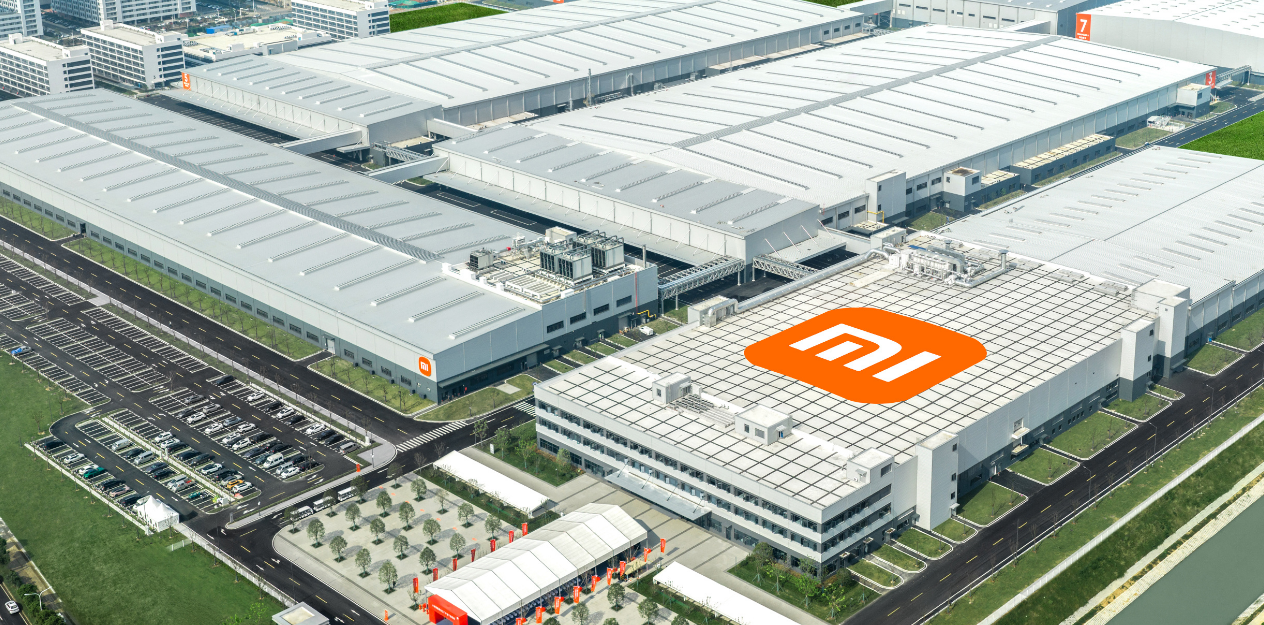
For robotics buyers outside China, the Barclays note is a signal to watch Chinese humanoid pricing closely. Domestic competition among firms like Unitree, Xiaomi, and Fourier Intelligence is driving costs down faster than in the West. Browse humanoid robots on Botmarket today shows entry-level humanoids starting around $16,000, but leasing programs — already common for used cobots for sale — will likely become the dominant acquisition model for humanoids.
If Chinese leasing costs hit $1,200 per month within the next five years, manufacturers in regions with higher wages — Europe, North America, Japan — will face an even sharper cost incentive to automate. A Shenzhen-style robot costing $1,200 per month to lease, running two shifts, would undercut a European worker by a factor of 3–5×. The Barclays projection, while specific to China, previews a global shock to factory-floor economics.
Companies that begin piloting humanoid robots now — even at a cost premium — stand to build the integration expertise and process redesign skills that will be critical when prices cross parity. The offset logic: you aren’t replacing people; you’re filling the gap that an aging workforce leaves behind.
Frequently Asked Questions
How many humanoid robots does China plan to deploy? The government target is 1 million humanoid robots by 2030, according to its robotics strategy. Production capacity from domestic manufacturers is ramping to support between 100,000 and 200,000 units annually by the end of the decade.
What industries will see the fastest robot offset? Electronics assembly, automotive, and logistics are the top candidates. These sectors already use robotic arms, and humanoids can take over remaining manual tasks like material handling, quality inspection, and machine tending with minimal workflow redesign.
Will robots completely replace China’s missing workers? No. The Barclays estimate is a 40–60% offset, meaning even at peak deployment, robots would fill roughly half the gap. The rest must be addressed through productivity gains, migration from agriculture, and possibly later retirement ages.
What does a humanoid robot cost today for a Chinese factory? Buying a Unitree G1 or similar costs $16,000–$25,000, with leasing options that target $600–$800 per month for basic models by 2028. Current mid-tier lease prices are higher, in the $2,500 range, but falling.
Are humanoid robots displacing jobs or creating new ones? Barclays models show net job preservation — keeping manufacturing in China that would otherwise relocate. Displacement occurs within worker cohorts, but the larger effect is preventing factory exodus. New roles in robot maintenance, programming, and systems integration are expected to grow.
How does China’s robot push compare to the U.S. and Europe? China deploys more industrial robots annually than the next five countries combined. Its humanoid push is similarly ahead in scale and government support, with the explicit goal of offsetting demographic decline — a motive less pressing in Western economies for now.
Is running two shifts with robots really feasible today, or is that just a Barclays assumption?
Conclusion
Barclays’ 60% offset projection is a stark reframing of China’s demographic crisis as a robotics acceleration story. The economic logic is sound: if you can’t grow the workforce, you must grow the robot fleet. But the speed of that transition will test social contracts and supply chains alike.
For equipment buyers, the projection translates into a simple imperative: track Chinese humanoid leasing costs. When they cross below $1,200 per month — and they are on that trajectory — the ROI math flips, and the offset becomes global.


Bergabung dalam diskusi
Are you piloting humanoid robots today, or waiting for the cost drop?