
China has developed more than 400 humanoid robot products — accounting for over half of the global total — and its quadruped (four-legged) robots now make up nearly 70% of worldwide sales, according to data released by China's Ministry of Industry and Information Technology. This concentration of production and R&D in a single country is reshaping global supply chains, pricing, and the pace at which humanoid robots reach factories, warehouses, and homes.
- The Scale of China's Humanoid Robot Lead
- Why Supply Concentration Matters for Buyers
- The Quadruped Dominance Is Even More Extreme
- What This Means for the Global Robot Market
- Frequently Asked Questions
The Scale of China's Humanoid Robot Lead
According to the Ministry of Industry and Information Technology, China now hosts more than 400 distinct humanoid robot products — models like the Unitree H1 and G1, Fourier GR-2, Agibot, and dozens of others from startups and state-backed labs. That figure represents over half of all humanoid robot models globally, a share that has grown sharply since 2024.
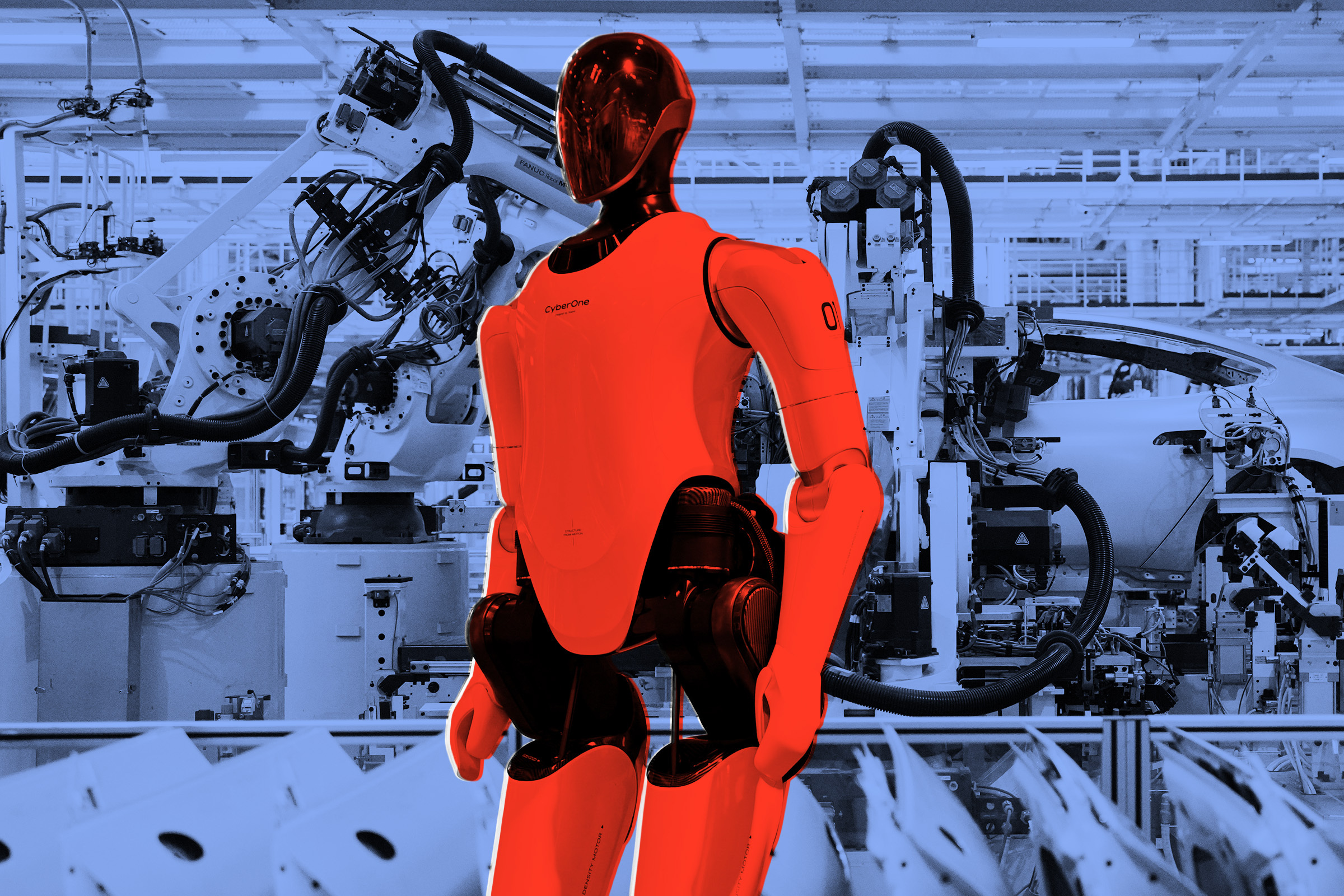
To put that in perspective: in 2023, the global count of announced humanoid robots was around 100. China's current output alone is four times that number. The country's humanoid industry includes dozens of companies ranging from established giants like Xiaomi (which makes the CyberOne) to VC-funded startups like EngineAI and LimX Dynamics.
The rapid expansion is fueled by deliberate government policy. Local governments across China — including Beijing, Shanghai, Shenzhen, and Hefei — have established humanoid robot industrial parks with tax incentives, subsidized manufacturing space, and direct R&D grants. The national government's 2023 "Guiding Opinions on the Innovation and Development of Humanoid Robots" set a target of achieving mass production by 2027.
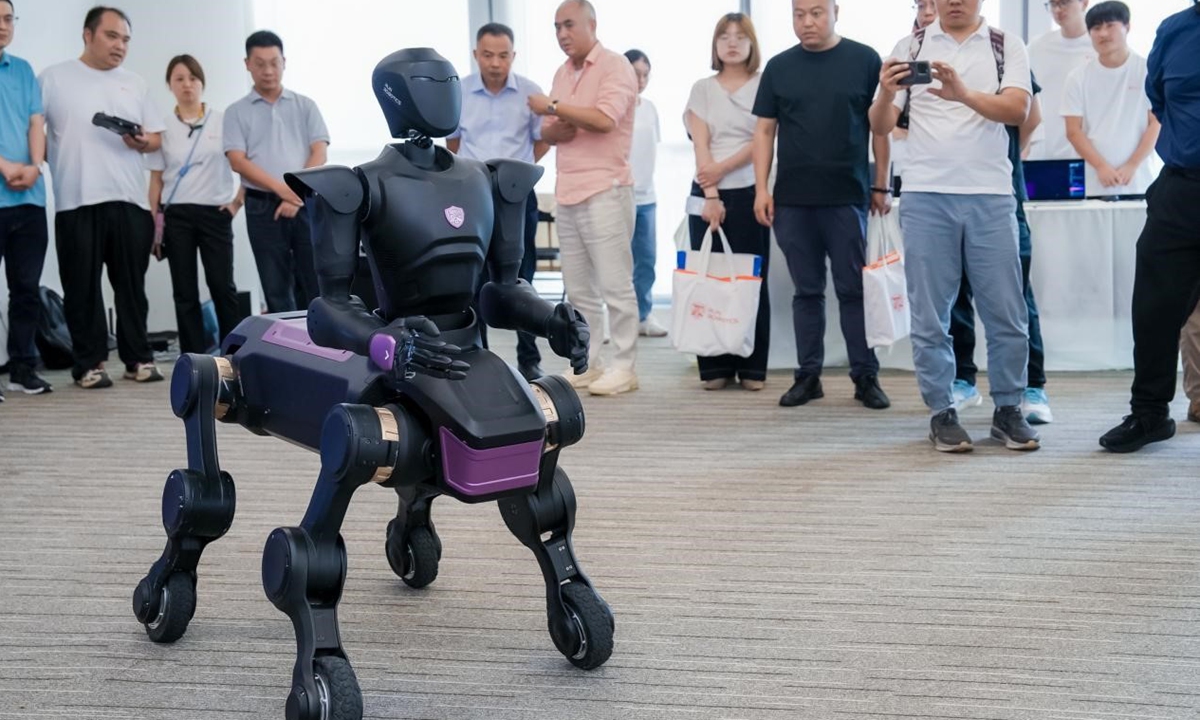
Some experts question whether all 400 products represent real production-ready hardware. "Many are concept models or limited prototypes shown at trade fairs," said a robotics analyst who tracks the Chinese market. "The true volume of deployable humanoid robots is smaller, but the ecosystem of suppliers, component makers, and talent is unmatched anywhere else."
Why Supply Concentration Matters for Buyers
For anyone planning to purchase a humanoid robot — whether for a factory floor, a research lab, or a hotel lobby — China's dominance has direct consequences.
Price pressure is the most obvious effect. Chinese humanoid robots like the Unitree G1 sell for roughly $16,000, while comparable Western platforms such as Boston Dynamics' Atlas (not yet commercially priced publicly but estimated in the six-figure range) or Figure 02 (priced at lease-based models believed to exceed $100,000 per unit) remain far more expensive. The gap isn't just about labor costs — it reflects China's vertically integrated supply chain for motors, batteries, sensors, and computing hardware.
Second, availability is higher. With dozens of companies producing units, lead times are typically measured in weeks for Chinese models versus months for Western alternatives. The Unitree G1, for example, has shipped to researchers and businesses across Asia, Europe, and North America.
Third, component standardization is accelerating. Because so many Chinese models share common actuator modules and battery packs, replacement parts are cheaper and easier to source than for proprietary Western designs.
However, buyers face trade-offs. Some Western procurement teams cite concerns about data security, software exports subject to ITAR (International Traffic in Arms Regulations) restrictions, and potential tariff exposure. And while Chinese robots are cheaper upfront, the total cost of ownership depends heavily on software support and integration.
The Quadruped Dominance Is Even More Extreme
If humanoids show China's lead, quadrupeds demonstrate near-total dominance. Chinese four-legged robots account for close to 70% of global sales, according to the same ministry data. That market is overwhelmingly defined by one company: Unitree Robotics.
Unitree's Go2 and B2 models have become the default choice for industrial inspection, education, and research applications worldwide. The Go2 starts at around $1,600 — a fraction of the cost of Boston Dynamics' Spot (priced at approximately $74,500).
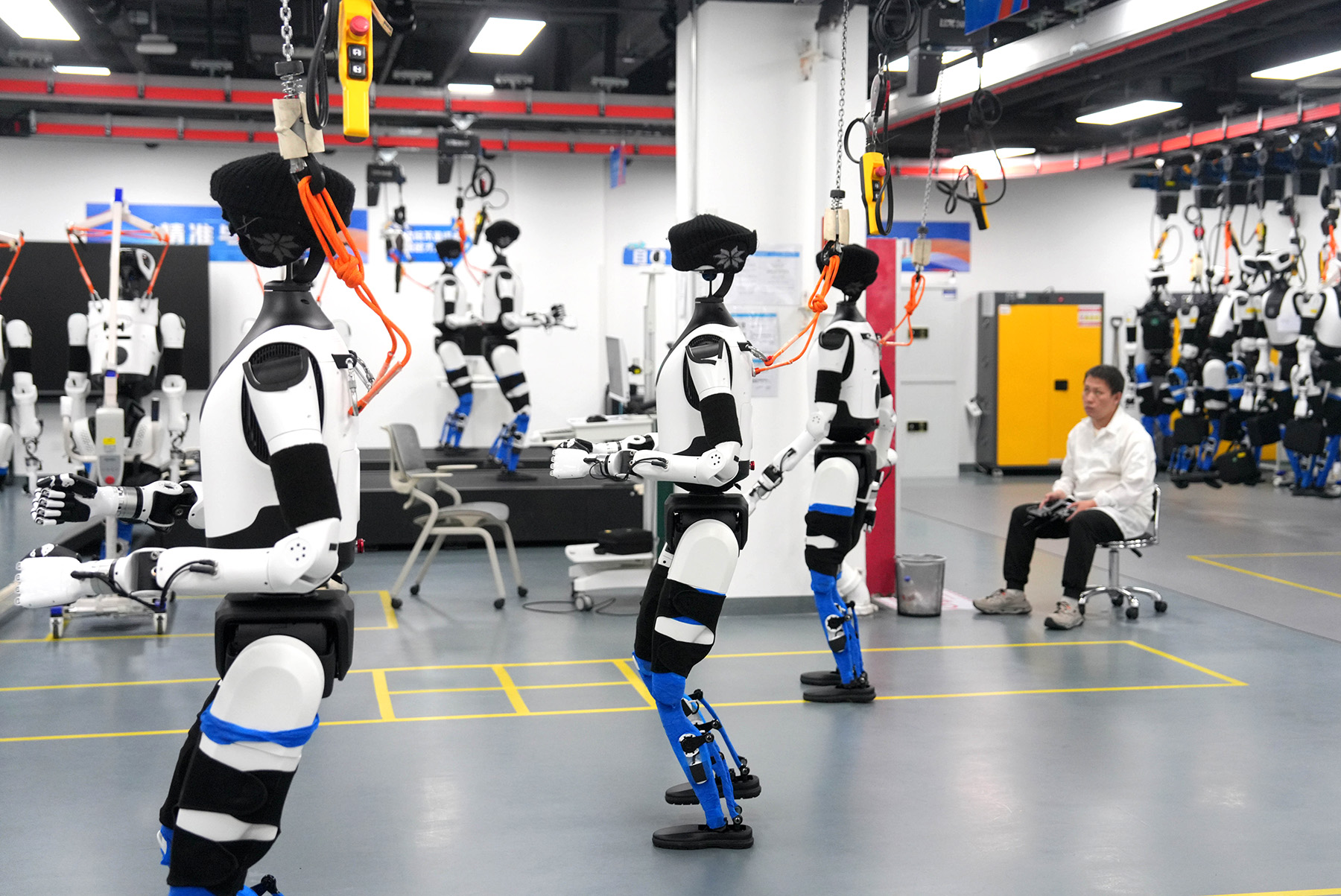
The price difference has reshaped the market. Spot remains the premium choice for heavy-duty industrial inspection, but Unitree has captured the bulk of volume sales — particularly in universities, smaller enterprises, and countries with tighter budgets. "Unitree has effectively commoditized the quadruped," said one robotics industry watcher. "You can't compete at $1,600 when your competitor charges $75,000 for a similar walking platform."
The consequence: Western quadruped makers are being forced upmarket into specialized applications (hazardous environments, defense, nuclear inspection) where price sensitivity is lower and certification requirements create barriers.
What This Means for the Global Robot Market
China's manufacturing volume is creating a self-reinforcing cycle that will be difficult for Western competitors to break:
- Component costs drop with each additional robot produced
- Software ecosystems improve as more developers build on common Chinese platforms (like Unitree's SDK or various ROS integrations)
- Talent accumulates in cities where robotics is a core industry
- Global distribution networks expand as Chinese companies aggressively export
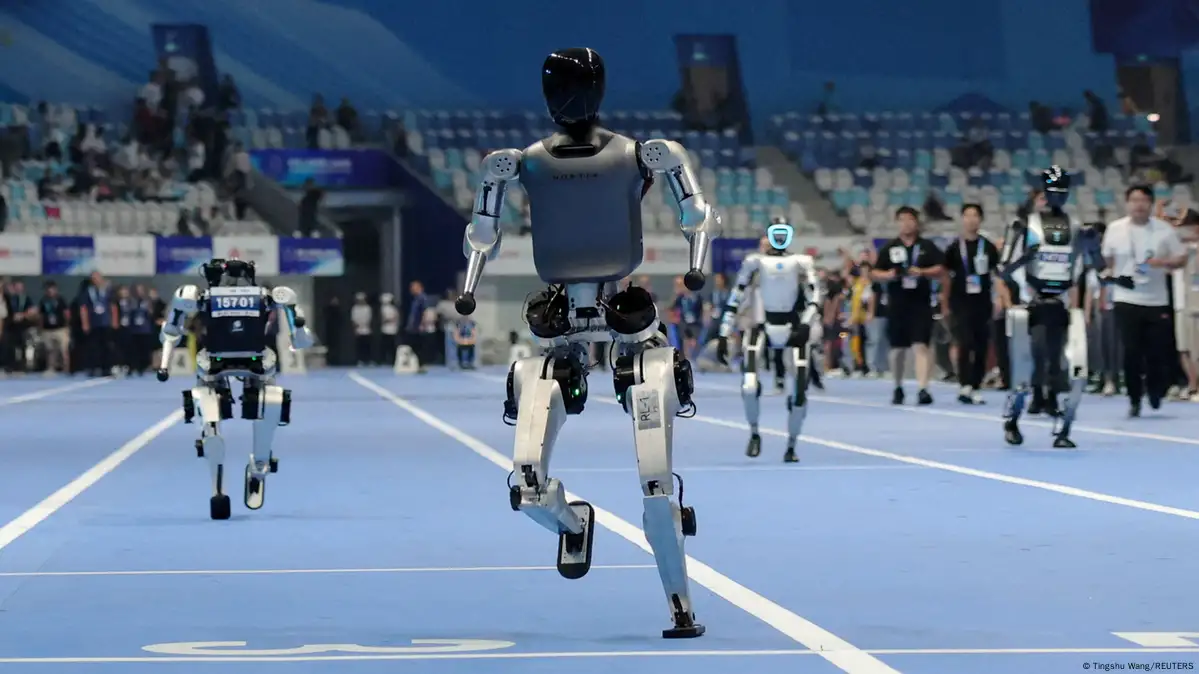
For North American and European robot makers, the short-term strategy is specialization: target markets where data sovereignty, safety certifications, or defense requirements provide moats. Some, like Boston Dynamics, are leaning into consulting and custom integration rather than pure hardware sales.
For buyers, the trend is clear. Chinese humanoid and quadruped robots will likely continue gaining market share. The choice increasingly comes down to whether the price-to-capability ratio favors a Chinese platform with good-enough performance and availability, or a premium Western platform with specialized features and full data control.
For those looking to acquire a humanoid or quadruped robot, platforms like BotMarket's humanoid robots marketplace and quadruped robots section provide side-by-side comparisons across price, specs, and availability — helping buyers navigate this increasingly concentrated landscape.
Frequently Asked Questions
How many humanoid robot products has China developed? China has developed over 400 humanoid robot products, accounting for more than half of all humanoid robot models globally, according to data from the Ministry of Industry and Information Technology released in July 2026.
What share of quadruped robot sales does China hold? Chinese quadruped robots account for nearly 70% of global sales, driven overwhelmingly by Unitree Robotics' Go2 and B2 models. This dominance stems from a dramatic price advantage — the Go2 starts at roughly $1,600 compared to Boston Dynamics' Spot at about $74,500.
Why does China dominate humanoid and quadruped robot production? Government policy is the primary driver. Local and national authorities provide tax incentives, subsidized manufacturing space, and R&D grants through dedicated robotics industrial parks. The 2023 "Guiding Opinions on the Innovation and Development of Humanoid Robots" set a formal national goal of mass production by 2027.
Are all 400 Chinese humanoid robots commercially available? No. Many are concept models or limited prototypes displayed at trade shows. However, the number of production-ready platforms is still significantly higher than any other country's total, and the supporting supply chain for components — motors, batteries, sensors — is the deepest in the world.
Should I buy a Chinese humanoid robot or a Western one for my business? It depends on your priorities. Chinese humanoids offer lower upfront costs (e.g., Unitree G1 at ~$16,000) and shorter lead times. Western platforms may offer better software support, data control, and compliance with certain regulations (e.g., ITAR). Buyers should compare total cost of ownership, integration needs, and certification requirements.
How fast is China's humanoid robot industry growing? The number of Chinese humanoid robot products has roughly quadrupled since 2023, when the global count of announced humanoid robots was around 100. Nearly every major Chinese city with an industrial base hosts multiple robotics companies.






Comentários