

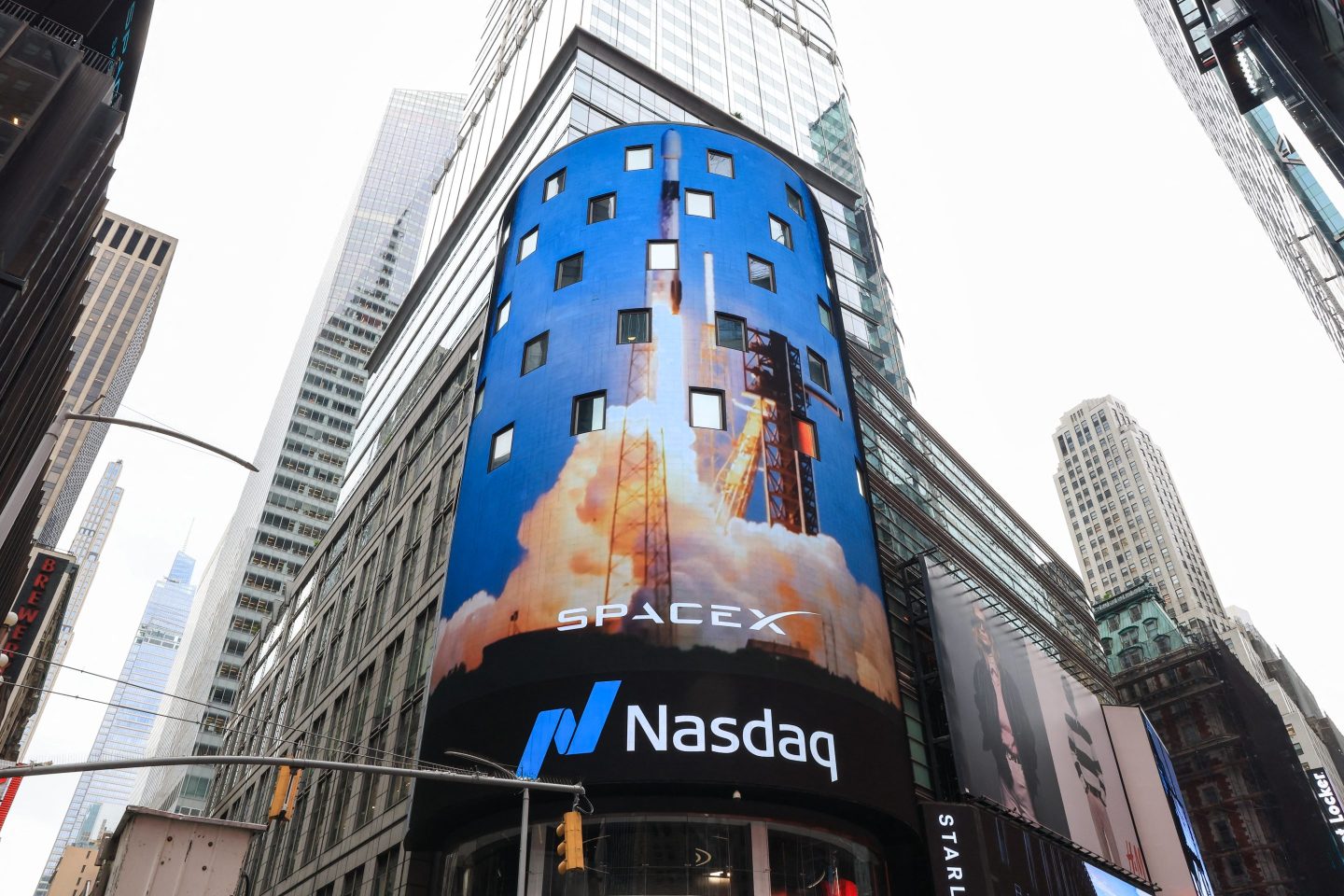
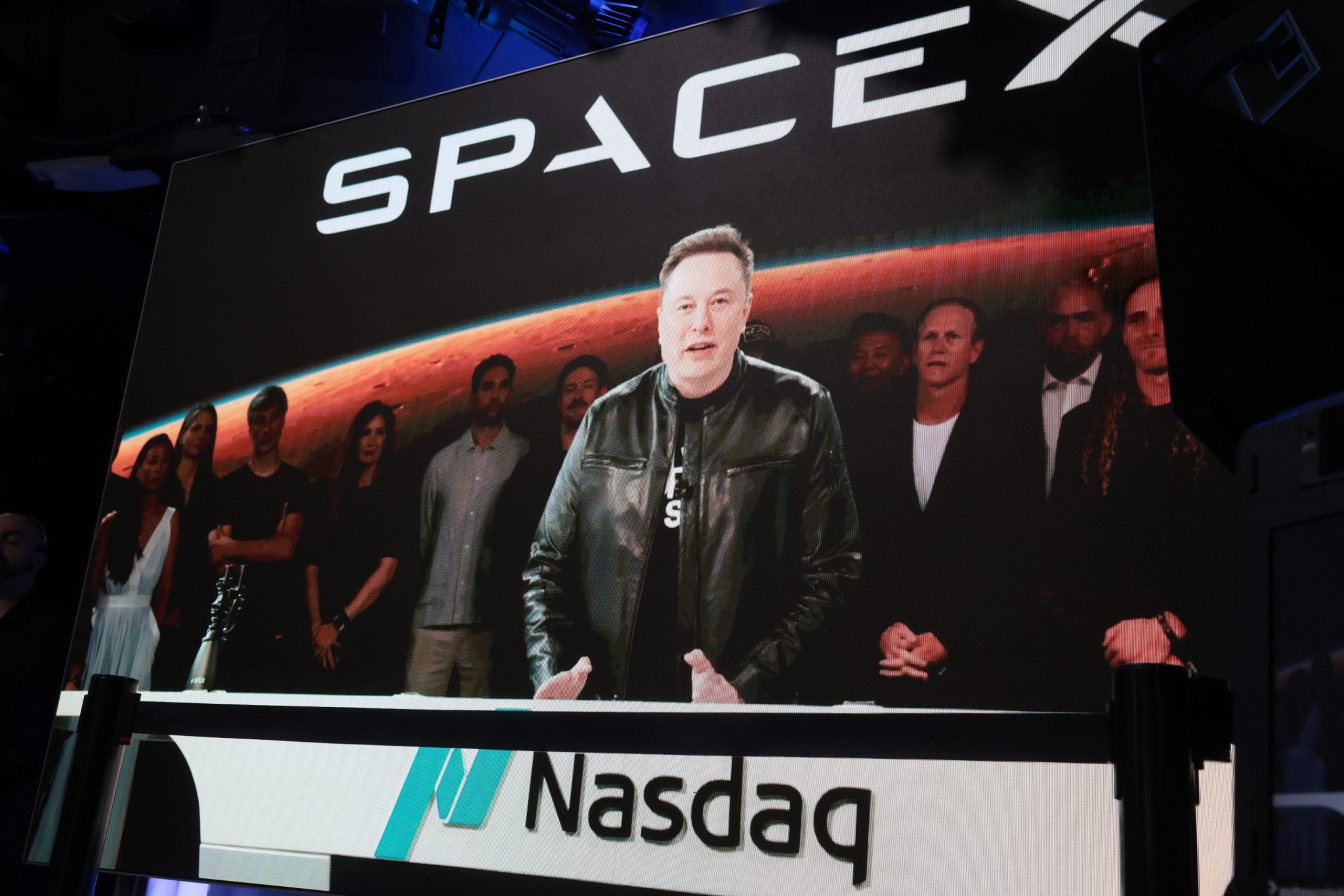
SpaceX pulled off the largest IPO in history on Friday, raising $75 billion in a blockbuster listing that dwarfed even Saudi Aramco’s 2019 debut. The record-breaking event left many retail investors — including those who bought tokenized pre-IPO shares on crypto exchanges — with smaller allocations than promised, exposing the limits of tokenized stock offerings.
- The Biggest IPO Ever
- Tokenized Stock Shortfall
- Why It’s Not a Crypto Failure
- Market Implications for Tokenized Stocks
- What This Means for the Industry
The Biggest IPO Ever
SpaceX’s initial public offering didn’t just break records — it obliterated them. The company raised $75 billion, roughly three times the previous record of $25.6 billion set by Saudi Aramco in 2019 and nearly five times the $16 billion that Meta (then Facebook) raised in its 2012 IPO. The listing was oversubscribed many times over, reflecting massive demand from institutional and retail investors alike.
Elon Musk’s rocket company priced its shares at $420 per share, a cheeky reference to cannabis culture that Musk has used before. The stock opened at $580 on its first day of trading, giving SpaceX a market cap approaching $1 trillion and making it one of the most valuable public companies in the world on day one.
Tokenized Stock Shortfall
As the IPO approached, several crypto exchanges — including Bybit, Binance, and Kraken-owned xStocks — pre-sold tokenized versions of SpaceX shares to customers hoping to get in at the listing price. These tokenized stocks are blockchain-based representations of equity that are supposed to track the value of the underlying security.
But when the IPO allocation was finalized, xStocks and its partners received far fewer shares than they had lined up. The result: customers who bought tokenized shares received only a fraction of what they expected, with many reporting allocations as low as 4.3 shares of SPCX (a proxy token) or none at all. Some exchanges refunded customers' money, often with a sweetener like bonus tokens or credits.
Why It’s Not a Crypto Failure
Despite the disappointing allocations for token holders, this is not a story about crypto failing. According to Fortune, the underlying issue was a classic supply-demand mismatch. During IPOs, underwriters allocate most shares to institutional investors, leaving retail investors at the back of the line. Traditional brokerages also struggled to fill orders — CNBC reported that retail investors at some non-crypto brokerages likewise received no allocation.
Tokenized stock offerings are still a nascent market. Exchanges like Kraken and Binance lack the decades-long relationships with underwriters that established brokerages have. For international investors buying tokenized shares, the priority is simply lower. “It’s early days,” one industry executive told Fortune. As tokenized stocks become more common — even Citigroup is now rolling out tokenized private company shares — these platforms are likely to secure better allocations in future IPOs.
Market Implications for Tokenized Stocks
The SpaceX IPO highlighted both the promise and the current limits of tokenized equities. The concept remains compelling: blockchain-based shares can trade 24/7, settle instantly, and open access to global investors who cannot easily buy U.S. stocks. Major players like Ondo Finance and Securitize are pushing the technology forward, while exchanges like Robinhood advocate for tokenization as the next supercycle in finance.
But the allocation fiasco underscores a critical gap: tokenized shares are only as good as the underlying share supply. Until crypto platforms can negotiate firm allocations with underwriters, token buyers face execution risk. The good news for the industry is that this is a growing pain, not a structural flaw. As tokenized stock volumes rise, the platforms will gain negotiating leverage.
What This Means for the Industry
For investors – The SpaceX IPO proves that the hunger for high-growth private companies going public is insatiable. But tokenized stock buyers must temper expectations: early allocations are uncertain, and platforms may not always deliver on promised shares. The refund policies vary, so due diligence on terms is essential.
For competitors – Rival exchanges like Coinbase, eToro, and Robinhood are watching closely. Those that can secure reliable retail allocations will have a competitive edge. Traditional brokerages like Fidelity and Charles Schwab may accelerate their own tokenization pilots to capture this demand.
For the broader tech industry – The success of SpaceX’s IPO validates that the market can absorb mega-cap listings. Other private companies — including Stripe, Databricks, and Discord — may accelerate their own IPO timelines, creating a ripple effect across tech. Meanwhile, tokenization is moving from niche to mainstream, with major banks entering the space. The next high-profile IPO could be the proving ground for whether tokenized allocations can truly match traditional ones.
Frequently Asked Questions
How much did SpaceX raise in its IPO? SpaceX raised $75 billion in its initial public offering, the largest in history — tripling the previous record set by Saudi Aramco.
Why did tokenized stock buyers get fewer shares than expected? Tokenized stock providers like xStocks and Binance received a smaller allocation of IPO shares than they had lined up, because SpaceX and its underwriters prioritized institutional investors and larger retail brokerages. This led to pro-rata cuts for token holders.
Do investors get their money back if allocation falls short? Yes. Most exchanges refunded the full amount paid for unfilled tokens, and some added bonus credits or tokens as compensation. No investors lost their principal.
Is this a failure of tokenized stocks as a concept? No. The problem was a supply shortage, not a flaw in blockchain technology. As tokenized stock platforms gain scale and prove their distribution capabilities, they are expected to secure larger, more reliable allocations in future IPOs.
Which companies are leading the tokenized stock space? Ondo Finance and Securitize are the two notable trailblazers in putting equities on the blockchain, both featured in the Fortune Crypto 100 ranking. Kraken’s xStocks is also a major player.
Could tokenized stocks eventually replace traditional IPO allocations? It’s possible over the long term. Tokenization enables 24/7 trading and global access, but the current allocation process is still controlled by traditional underwriters. Change will require either regulatory shifts or sufficient market pressure from investors.
Conclusion
SpaceX’s historic IPO made headlines for its sheer size, but the tokenized stock shortfall offered a valuable lesson for the crypto and fintech ecosystem. The technology works — but the plumbing around pre-IPO allocations still favors incumbents. As tokenized stock platforms mature and negotiate better deals, future IPOs should see more equitable access. For now, the market is simply too hot, and demand too high, for everyone to get their slice on day one.






Zapojte sa do diskusie
Should tokenized stock platforms be allowed to pre-sell allocations they haven't secured?