

Locus Robotics has acquired Nexera Robotics, bringing AI-driven grasping intelligence into the Locus Array autonomous fulfillment platform. The deal combines Nexera's patented soft-membrane gripper — validated through tens of millions of picks — with Locus's existing AMR fleet, directly targeting the manipulation bottleneck that has limited automated warehouse fulfillment at enterprise scale.
- What is the NeuraGrasp Technology Locus Acquired?
- How Does Locus Array Benefit from AI-Driven Grasping?
- Why Does Mobile Manipulation Matter for Warehouse Automation?
- What This Means for Warehouse Buyers
- Frequently Asked Questions
What is the NeuraGrasp Technology Locus Acquired?
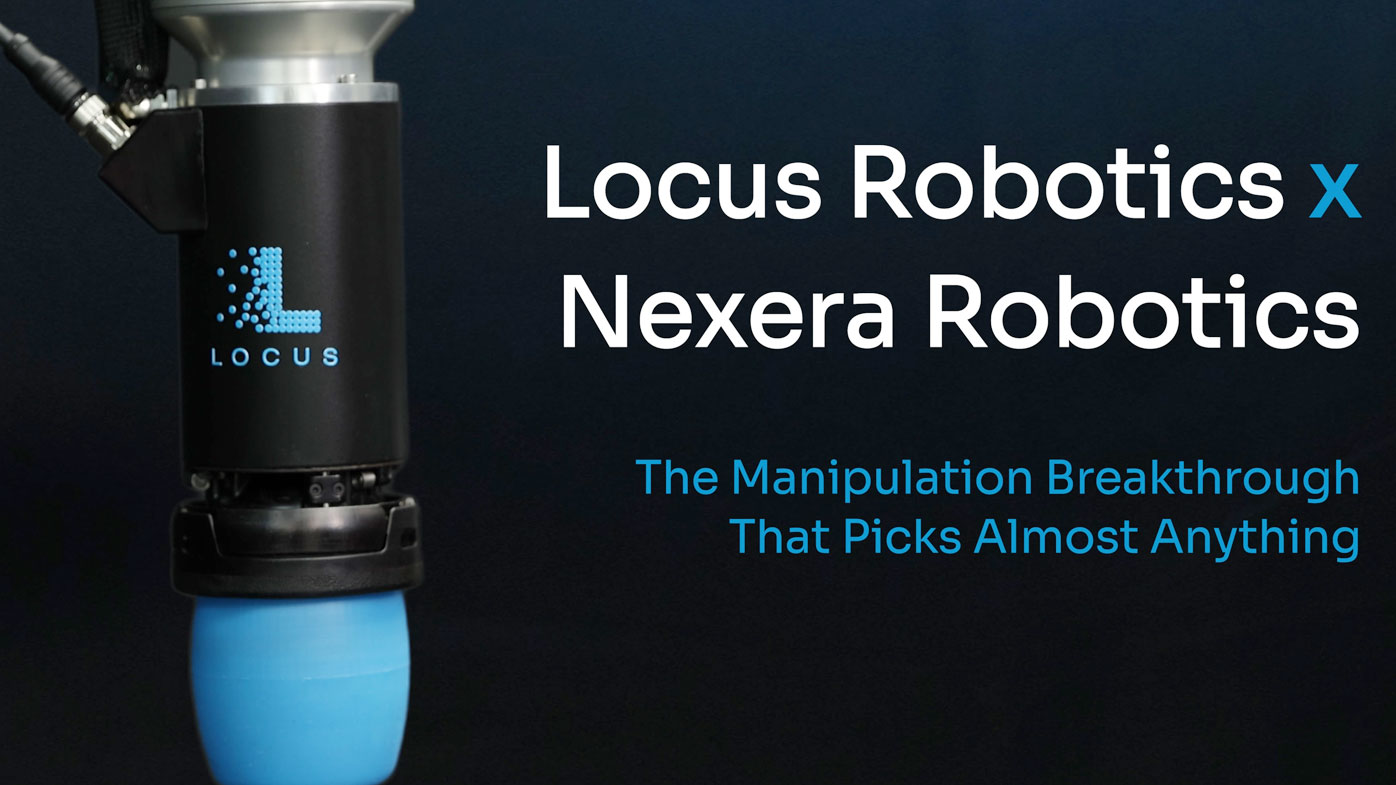
NeuraGrasp is a robotic end-effector system that combines AI-driven grasping intelligence, onboard sensory inputs, computer vision, and a patented soft membrane structure to dynamically adapt to each item's physical characteristics. Developed over five years through six generations of refinement, it handles variations in shape, surface texture, material, porosity, and weight without manual end-effector changes.
The technology stands apart from traditional suction or jaw grippers by eliminating the need for tool changers between SKU types. According to the companies, NeuraGrasp has been validated through thousands of hours and tens of millions of picks across the broadest SKU testing with commercial partners. "Being able to efficiently grasp millions of SKU types with both speed and precision is where the next decade of value gets created," Rick Faulk, CEO of Locus Robotics, stated in the acquisition announcement.
| Capability | Traditional Suction Gripper | Traditional Jaw Gripper | NeuraGrasp |
|---|---|---|---|
| Porous items | Poor | Good | Reliable |
| Irregular shapes | Failure | Limited | Adaptive |
| Surface texture range | Narrow | Moderate | Full range |
| Item weight variation | Limited | Good | Broad |
| Changeover time | Manual minutes | Manual minutes | Zero |
How Does Locus Array Benefit from AI-Driven Grasping?
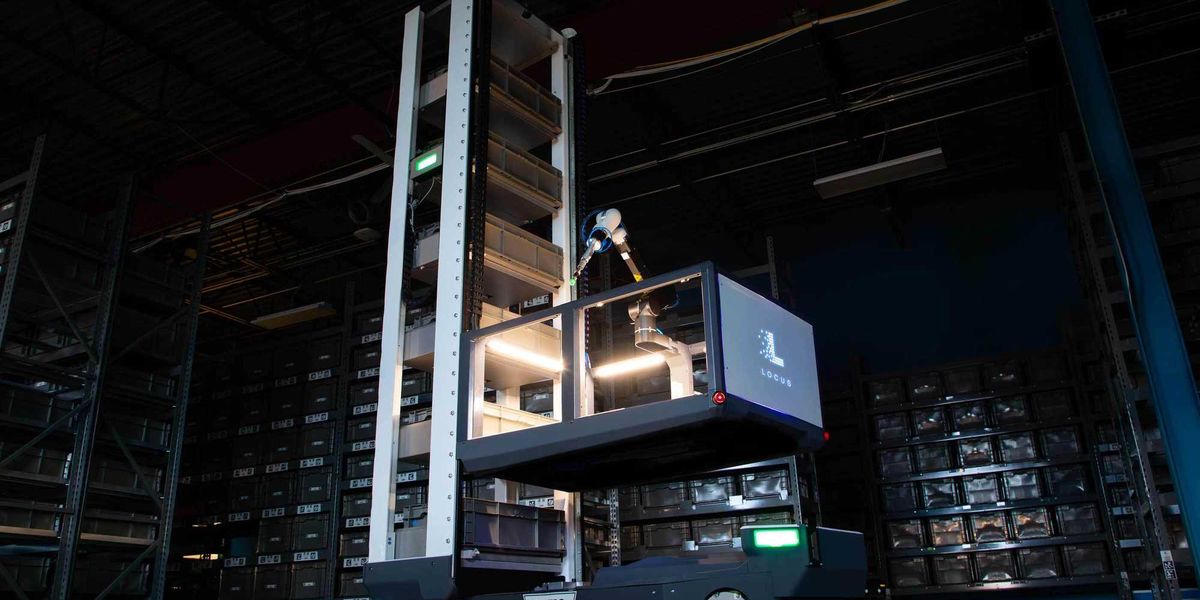
The Locus Array system — a robots-to-goods autonomous fulfillment platform that combines piece-picking technology with AMRs for in-aisle picking and other workflows — gains the ability to handle a dramatically wider range of products without mechanical reconfiguration. NeuraGrasp becomes the manipulation layer for Array, enabling the system to pick items it previously could not manage reliably.
Roy Belak, CEO of Nexera Robotics, described the integration rationale: "We built NeuraGrasp to solve the manipulation challenges that have held robotic picking back for years. Joining Locus Robotics gives us the platform, scale, and customer base to bring this breakthrough technology into the high-velocity fulfillment environments it was designed for." Locus launched Array at the recent MODEX conference, and the Nexera acquisition accelerates its path to handling the full SKU diversity found in real warehouse operations — from polybags to irregular consumer goods to fragile items.
Why Does Mobile Manipulation Matter for Warehouse Automation?
Mobile manipulation — the combination of autonomous mobility with dexterous grasping — has been widely identified as the next frontier in warehouse robotics. Most current AMR deployments handle transport only: robots move bins or shelves, but humans still perform the actual picking. Mobile manipulation closes that gap, allowing a single robot to navigate to a location, identify items, grasp them, and place them in the correct destination.
"Being able to efficiently grasp millions of SKU types with both speed and precision is where the next decade of value gets created," Faulk noted. The industry-wide cost of manual picking in fulfillment centers is estimated at billions of dollars annually, and every percentage point of automation directly improves throughput and labor economics. For Locus, adding Nexera's capabilities positions the Array system to compete with the emerging wave of humanoid robots and stationary robotic arms that vendors are racing to deploy in warehouse settings.
What This Means for Warehouse Buyers
For logistics operators evaluating automation investments, this acquisition signals that AI-driven mobile manipulation is moving from pilot scale to commercial deployment. Key implications for buyers:
Total cost of ownership improves as one system handles SKU diversity that previously required multiple end-effector types or manual intervention. Labor substitution ratios increase because the same robot platform can both transport and pick, reducing the number of separate automation systems needed per facility.
For buyers currently operating Locus AMRs or evaluating the Array system, the Nexera integration means access to a picking capability that handles porous items, irregular geometries, and variable textures — the SKU categories that have historically required human operators. This matters most for e-commerce fulfillment, grocery logistics, and general merchandise distribution, where item variability is highest.
Buyers comparing against used industrial robots or used cobots for sale should weigh whether a fully integrated mobile manipulation system like Array offers better deployment speed than stitching together separate AMR and arm systems. The zero-changeover gripper design is a specific cost advantage for facilities processing more than 50 distinct SKU types per hour — the threshold where manual gripper swaps start degrading throughput measurably.
Frequently Asked Questions
How much did Locus Robotics pay for Nexera? Financial terms of the acquisition were not disclosed. Nexera will operate as a wholly owned subsidiary of Locus Robotics, and its full team and leadership have joined the company.
What SKU types can NeuraGrasp handle that traditional grippers cannot? NeuraGrasp handles porous items (bags, fabrics), irregular geometries, and items with high surface texture variation — categories where suction grippers fail and jaw grippers require manual adjustment. The system adapts to each item's shape, material, weight, and porosity in real time.
Will Nexera's existing commercial customers still be supported? The companies stated they are handling existing customer relationships on a case-by-case basis. The primary focus of Nexera's team going forward is integrating NeuraGrasp into the Locus Array platform.
How does NeuraGrasp compare to suction-based picking on speed? NeuraGrasp is designed for broad SKU reliability rather than peak speed on uniform items. For high-uniformity applications like case picking, traditional suction grippers may remain faster. NeuraGrasp's advantage is eliminating changeover downtime when SKU diversity is high.
When will NeuraGrasp be integrated into the Locus Array system? Integration is underway, with Locus stating that Nexera will focus on expanding manipulation use cases across the Locus platform. The Array system was recently launched at MODEX, and the acquisition accelerates its commercial availability with full manipulation capabilities.
What is the competitive advantage of a soft membrane gripper over rigid grippers? The soft membrane conforms to each item's surface without requiring precise pre-grasp positioning, reducing the computer vision complexity needed for reliable picks. The gripper also causes less damage to fragile items compared to rigid jaw grippers.
Is AI-driven grasping ready for the full range of Locus Array's picking workload? NeuraGrasp has been validated through tens of millions of commercial picks across the broadest SKU testing with partners, according to the companies. The technology is production-ready rather than experimental.
Does Locus Array handle only piece-picking, or also full-case and split-case operations? The Array system combines piece-picking technology with AMRs for in-aisle picking and other fulfillment workflows. NeuraGrasp extends its capabilities to piece-picking of previously unhandled item types.
Where can I buy a Locus Array system or compare it with other warehouse robots? Enterprises can evaluate the Locus Array system alongside alternative solutions by browsing used industrial robots and used cobots for sale to compare capabilities, pricing, and deployment requirements.
Is NeuraGrasp compatible with third-party AMR platforms, or exclusive to Locus? NeuraGrasp is now integrated into the Locus platform as a wholly owned technology. No current plans exist for third-party licensing, though Locus may expand manipulation use cases across its product line over time.
Is AI-driven grasping ready to replace human pickers at scale, or is it still a cost-add?
What is the ROI timeline for adding AI-grasping to existing Locus AMR fleets?
Does NeuraGrasp require new software integration or retrofitting into existing Locus deployments?
Can AI-grasping handle high-value or fragile items like electronics without damage?
Does Locus Array compete with stationary robotic arm cells, or complement them in warehouse workflows?
Is there a future where Locus licenses NeuraGrasp to other AMR manufacturers?
Can NeuraGrasp handle multi-item picks — picking more than one SKU per cycle like a human hand could?
Does the acquisition position Locus to compete with humanoid robots entering the warehouse space?
What density of SKU variability justifies the investment in NeuraGrasp over traditional grippers?
Is Locus Array priced per robot, per facility, or on a robots-as-a-service model?
What industries outside e-commerce fulfillment would benefit most from AI-driven mobile manipulation?
Does NeuraGrasp require training data per SKU, or is it zero-shot capable on novel items?
Can NeuraGrasp pick frozen or refrigerated items, or items with condensation on packaging?
How does the 5-year, 6-generation development cycle of NeuraGrasp compare to competitor gripper timelines?
Is there a future where NeuraGrasp enables packing and kitting tasks beyond simple pick-and-place?
Will Locus Array with NeuraGrasp be available as a retrofit for existing Locus AMR deployments?
What happens to the existing Locus customer base that does not use Array — do they benefit from the acquisition?
How does the SKU coverage of NeuraGrasp compare to what human pickers can handle in a typical shift?
Does the acquisition change Locus's go-to-market strategy from robots-as-a-service to hardware sales?
Is mobile manipulation the most important technical bottleneck in warehouse robotics right now?
How do the compute requirements of NeuraGrasp compare to standard sensor processing on Locus AMRs?
What is the maximum cycle rate of NeuraGrasp compared to human picking rates in high-volume fulfillment?
Can NeuraGrasp handle items with shrink wrap or open packaging in grocery and beverage distribution?
Does Locus plan to compete with stationary pick-cell vendors, or partner with them for hybrid workflows?
How does the material of the soft membrane degrade over time, and what is the replacement interval?
Is there a compliance or safety certification (CE, UL, ANSI) specific to soft grippers for warehouse use?
What is the payload range — minimum and maximum item weight — that NeuraGrasp can reliably handle?
Does NeuraGrasp have any capability for bin-picking of jumbled items, or is it primarily for singulated items?
How does the acquisition affect Locus's competitive position against Berkshire Grey, RightHand Robotics, and other picking specialists?
Is the NeuraGrasp gripper washable or cleanable for food-grade warehouse applications?
Does the acquisition signal a broader consolidation trend in warehouse robotics hardware vendors?
Can Locus Array with NeuraGrasp operate in narrow-aisle environments typical of older warehouses?
Will the Nexera brand continue to exist, or will it be fully absorbed into Locus Robotics?
Does the soft membrane design allow for grasping of wet, oily, or dusty items that foil traditional grippers?
How does the NeuraGrasp computer vision system handle low-light or high-glare warehouse conditions?
Is there a performance benchmark for NeuraGrasp against the Amazon Robotics picking challenge results?
Can existing Locus customers upgrade their current AMR fleets with NeuraGrasp end-effectors?
What is the expected lifespan of the soft membrane in high-volume (16+ hours/day) warehouse operations?
Does NeuraGrasp integrate with common warehouse execution systems (WES) or warehouse management systems (WMS)?
What is the maximum size of item — in terms of bounding box dimensions — that NeuraGrasp can handle?
Does Locus Array with NeuraGrasp require additional compute hardware on each robot compared to standard Locus AMRs?
How does the acquisition affect Locus's patent portfolio and IP moat against competitors?
Is there an OEM or reseller channel for NeuraGrasp in industries outside logistics, like manufacturing or laboratory automation?
What is the accuracy — pick success rate — of NeuraGrasp on best-case versus worst-case SKU types?
Does NeuraGrasp support any vision-based grasping failure detection and retry logic?
How does the NeuraGrasp approach to soft gripper design differ from competitors like Soft Robotics or Festo?
Can NeuraGrasp handle nested or interlocking items where one item fits inside another?
Is the acquisition expected to close within a specific regulatory review period, or was it an immediate close?
How does Locus Array with NeuraGrasp compare on total cost of ownership to deploying human workers for picking?
Does NeuraGrasp require any consumables — like compressed air or vacuum — or is it fully electric?
What is the noise level of NeuraGrasp during operation, and does it meet workplace noise regulations?
Can NeuraGrasp be used for depalletizing tasks, or is it optimized only for singulated item picking?
Does the gripper have any haptic or force-feedback sensing to prevent damage to fragile items?
What is the maximum depth of the gripper's reach into bins or totes for dense item retrieval?
How does Locus Array with NeuraGrasp handle items with irregular centers of gravity or off-balance weight distribution?
Does the acquisition make Locus a more attractive acquisition target for larger logistics or material handling companies?
What is the lead time for deploying Locus Array with NeuraGrasp versus a traditional Locus AMR deployment?
Does NeuraGrasp have any integrated item verification — like confirming the correct SKU was picked — using vision or weight?
How does the six-generation development cycle of NeuraGrasp translate to field reliability data on mean time between failures?
Can Locus Array with NeuraGrasp operate in freezer environments (-20°F) typical of cold chain logistics?
Does the soft membrane grip strength degrade at temperature extremes (hot warehouse, cold storage)?
What is the power consumption of NeuraGrasp relative to the overall Locus AMR power budget?
Does the acquisition give Locus an edge in bidding for large-scale greenfield warehouse automation projects?
Is there any IP overlap between NeuraGrasp and Locus's existing patent portfolio that simplifies integration?
How does the NeuraGrasp AI model handle novel items it has never seen in training data?
Does the gripper have any self-cleaning mechanism for dust or debris that accumulates during high-volume picking?
What is the form factor — weight and dimensions — of the NeuraGrasp end-effector, and does it fit on standard Locus AMRs?
Can NeuraGrasp be configured for left-handed or right-handed picking orientation depending on warehouse layout?
Does the acquisition signal that Locus sees manipulation as a bigger market than AMR-only transport?
How does the AI model update process work — is it cloud-connected with over-the-air updates, or requires on-premise retraining?
What is the per-gripper cost premium for NeuraGrasp over a standard suction cup end-effector array?
Does NeuraGrasp have any capability for two-handed or cooperative grasping with multiple grippers?
How does the NeuraGrasp material handle sharp corners or edges of items like box cutters or metal cans?
Is the NeuraGrasp soft membrane recyclable or replaceable independently of the gripper base unit?
Does the Locus Array system with NeuraGrasp integrate with existing conveyor and sortation systems in the warehouse?
What is the maximum pick-and-place cycle rate of Locus Array with NeuraGrasp measured in picks per hour?
Does the acquisition impact any existing partnerships Locus has with other gripper or end-effector vendors?
Can NeuraGrasp be used for pack-out operations — placing items into shipping boxes or totes — or just picking?
How does the acquisition affect Locus's timeline for expanding into European and Asian warehouse markets?
Does NeuraGrasp support any multi-modal sensing — combining vision with touch, weight, or proximity sensors?
What is the operating temperature range specified for the NeuraGrasp soft membrane material?
Does Locus plan to offer NeuraGrasp as a standalone product for third-party integrators, or keep it exclusive to Array?
How does the NeuraGrasp gripper handle items with high static charge or electrostatic discharge sensitivity?
Can NeuraGrasp pick items with irregular openings — like cups, bowls, or trays — that require interior grasping?
What is the minimum item size that NeuraGrasp can reliably grasp (e.g., small electronic components vs. large boxes)?
Does the acquisition bring any talent specifically in AI model training for grasping that Locus lacked internally?
How does the NeuraGrasp gripper handle items that are compressible — like pillows or plush toys — without deforming them?
Is there a specific warehouse throughput threshold where NeuraGrasp economics become favorable over human picking?
Does NeuraGrasp have any integrated item weighing or dimensioning for outbound parcel verification?
How does the acquisition affect Locus's valuation and fundraising prospects for future growth?
Can NeuraGrasp handle items with irregular surface moisture — like sweating beverage bottles — without slip?
What is the maximum pick height and reach of NeuraGrasp when mounted on a standard Locus AMR?
Does NeuraGrasp support any barcode reading or RFID scanning integrated into the end-effector for item verification?
How does the NeuraGrasp AI determine the optimal grasp point on items with multiple possible grip positions?
Is the NeuraGrasp gripper compatible with any robotic arm beyond the Locus Array platform, or is it proprietary mounting?
Does the acquisition give Locus a defensible moat against AMR competitors adding bolt-on grippers from third parties?
What are the key IP claims in the NeuraGrasp patent portfolio that would block competitor approaches?
Can NeuraGrasp handle items with vacuum-sealed packaging that has tight, non-porous surfaces (e.g., meat, cheese)?
Does the NeuraGrasp AI model require periodic retraining based on warehouse-specific item catalogs, or is it zero-shot generalizable?
How does the soft membrane maintain grip reliability over millions of cycles — what is the fatigue life of the material?
Does the acquisition position Locus to offer a fully automated goods-to-picker replacement system for greenfield warehouses?
Can NeuraGrasp be used for piece-picking of pharmaceuticals with strict handling requirements, like blister packs or vials?
What is the maximum throughput impact of NeuraGrasp on a typical Locus Array deployment in picks per hour per robot?
Does NeuraGrasp have any integrated lighting or camera cleaning system for dusty warehouse environments?
How does the acquisition affect Locus's ability to serve the general merchandise and hard goods retail verticals specifically?
Is there a per-deployment training cost for the NeuraGrasp AI, or is it pre-trained and ready to use out of box?
Can the NeuraGrasp soft membrane cause any marking or residue on light-colored or polished items?
Does the acquisition include any exclusive supply agreements for the soft membrane material with specific chemical suppliers?
What is the lead time for obtaining replacement NeuraGrasp end-effectors for existing deployed systems?
Can Locus Array with NeuraGrasp operate on existing warehouse shelving without retrofitting or reconfiguring rack layouts?
Does the NeuraGrasp gripper have any safety-rated soft stop or force limitation for human-robot coexistence?
How does the acquisition affect the competitive landscape of warehouse picking versus RightHand Robotics, Berkshire Grey, and intuitive Robot?
Is NeuraGrasp capable of performing singulation from bulk bins, or only pick-from-station tasks?
Does the NeuraGrasp AI model support transfer learning between different warehouse environments without data labeling?
What is the typical pick success rate in production — does it drop below 99% on certain item categories?
Does the acquisition bring any technology that could be applied to Locus's existing Origin and Max AMR lines, or is it strictly for Array?
Can NeuraGrasp handle items with protruding handles, tags, or attached accessories (e.g., backpacks, luggage)?
How does the soft membrane material perform on items with powdery or dusty surfaces (e.g., cement bags, flour)?
Is there a warranty or service contract model for NeuraGrasp as part of the Locus Array system?
Does the acquisition signal that Locus is preparing an IPO or strategic sale by building a moat in manipulation IP?
Can NeuraGrasp pick items with label adhesives or stickers that might stick to the gripper surface?
How does the NeuraGrasp computer vision pipeline handle transparent or reflective items without special lighting?
Does the acquisition give Locus access to any Nexera-developed simulation or training environments for deep learning?
What is the maximum payload-to-gripper-weight ratio of NeuraGrasp compared to competing soft grippers?
Can NeuraGrasp be used for kitting operations where multiple distinct items must be placed into a single container?
Does NeuraGrasp require any special electrical or pneumatic infrastructure on Locus AMRs, or is it plug-and-play?
How does the NeuraGrasp gripper handle the edge case of items with cutouts or handles that a standard face seal fails on?
Does the acquisition include any Nexera relationships with end customers that Locus can now expand?
What is the maximum number of picks per hour that a single Locus Array station with NeuraGrasp can achieve?
Does NeuraGrasp have any integrated item singulation logic for items that are nested or stuck together?
Can NeuraGrasp handle high-mix environments with more than 25 changes in SKU per hour without throughput degradation?
Does the NeuraGrasp AI model run on edge hardware on the robot, or does it require cloud connectivity for inference?
How does the acquisition affect Locus's competitive pricing on Array versus standalone AMR deployments?
Is the NeuraGrasp gripper designed to be field-serviceable by the Locus customer's maintenance team, or requires vendor support?
Can NeuraGrasp handle items with both soft and rigid regions — like a plush toy with plastic eyes — without damage?
Does the NeuraGrasp gripper include any self-calibration routine when mounted on a new robot or swapped between units?
What is the maximum pick-and-place accuracy of NeuraGrasp for precise placement into tight bin locations?
Does the acquisition give Locus any advantage in bidding for Department of Defense or government logistics contracts?
Can NeuraGrasp be used for piece-picking of flat items like envelopes, folders, or paper documents?
How does the acquisition affect the total number of robot deployments Locus can support with its existing service team?
Does NeuraGrasp support any environmental or sustainability certifications for the soft membrane material?
Can NeuraGrasp handle items with irregular surface coatings like flocking, velvet, or textured fabrics?
What is the per-pick energy cost of NeuraGrasp compared to suction-based picking at the same throughput?
Does the acquisition bring any specific expertise in sensor fusion for grasping, or is the IP primarily mechanical?
Can NeuraGrasp handle items with magnetic closures or magnetic strips that might interact with gripper sensors?
Does Locus Array with NeuraGrasp require any software changes to the existing Locus orchestration platform?
What is the maximum operating altitude or atmospheric condition range specified for the NeuraGrasp system?
Does the acquisition include any Nexera-developed fleet management or grasping orchestration software?
Can NeuraGrasp be used for bin-to-belt transfers where items must be placed onto moving conveyors?
How does the NeuraGrasp AI handle items where the optimal grasp point is occluded by the item itself or by neighboring items?
Does the acquisition change Locus's stance on making Array available as a robots-as-a-service versus one-time purchase model?
Can NeuraGrasp pick wet or soapy items typical of industrial laundry or food processing environments?
What is the mean time between failures of the NeuraGrasp gripper in high-speed production environments?
Does the acquisition give Locus access to any Nexera-developed grasp quality prediction or failure detection models?
Can NeuraGrasp handle round or cylindrical items — like cans, bottles, or rolls — without slipping?
How does the NeuraGrasp soft membrane resist wear from abrasive packaging materials like cardboard and kraft paper?
Does the acquisition include any Nexera IP related to gripper cleaning or maintenance processes for the soft membrane?
Can Locus Array with NeuraGrasp operate in warehouse environments with ambient temperatures exceeding 100°F?
What is the training data coverage — how many unique item shapes and materials has the NeuraGrasp AI been validated on?
Does the acquisition affect Locus's existing intellectual property licensing agreements with other robotics companies?
Can NeuraGrasp be used for automated put-walls where items must be sorted into specific bin locations in a matrix?
How does the NeuraGrasp gripper detect when an item has been successfully grasped versus when the grasp is incomplete?
Is there any NeuraGrasp technology that could be applied to Locus's robotic palletizing or depalletizing workflows?
Does the acquisition position Locus to offer a comprehensive "goods-to-robot" cell that replaces the traditional "goods-to-person" station?
Can NeuraGrasp handle items with irregular weight distribution where the center of gravity is outside the item's geometric center?
What is the ambient humidity range that the NeuraGrasp gripper can operate in without performance degradation?
Does the acquisition include any Nexera-developed calibration tools for mounting and aligning the gripper on different robot platforms?
Can NeuraGrasp be used for pick-and-place of items into custom dunnage or retail-ready packaging?
How does the NeuraGrasp AI determine the appropriate grip force for each item without damaging fragile goods?
Does the acquisition give Locus access to any Nexera research pipeline or academic partnerships in robotic manipulation?
Can NeuraGrasp handle items with high-gloss reflective surfaces like chrome or polished plastic without vision failure?
What is the maximum continuous operating time of NeuraGrasp before the gripper or membrane requires maintenance or cooling?
Does the acquisition include any software for grasp point generation that could be adapted for Locus's other robotic platforms?
Can NeuraGrasp pick items from deep totes or bins where visibility from standard camera positions is limited?
How does the NeuraGrasp gripper handle items that are actively leaking liquids (e.g., leaky containers in grocery distribution)?
Does the acquisition change Locus's headcount by integrating Nexera's engineering team as a new manipulation division?
Can NeuraGrasp handle items with anti-theft tags or security packaging protrusions that might snag on traditional grippers?
What is the maximum reachable volume of the NeuraGrasp gripper when mounted on a Locus Array mobile base?
Does the acquisition bring any specific testing or validation infrastructure that improves Locus's quality assurance capabilities?
Can NeuraGrasp be used for piece-picking of items that require orientation before placement (e.g., labeled side up)?
How does the NeuraGrasp AI handle items where multiple grasp configurations are equally valid — does it optimize for speed or safety?
Does the acquisition signal that Locus plans to compete more directly with humanoid robotics companies in warehouse applications?
Can NeuraGrasp handle items with integrated handles or straps that require hooking rather than surface gripping?
What is the cost per pick of NeuraGrasp compared to human picking in the same environment?
Does the acquisition include any Nexera-developed simulation tools for testing grasping strategies in digital twins?
Can NeuraGrasp be used for bin-picking of small parts in kitting operations typical of electronics manufacturing?
How does the NeuraGrasp soft membrane material resist tearing from sharp edges of damaged packaging or items?
Does the acquisition affect Locus's timeline for achieving positive unit economics on the Array system specifically?
Can NeuraGrasp handle items with adhesive surfaces like tape or glue that might stick to the gripper material?
What is the maximum number of picks before the NeuraGrasp gripper requires any form of inspection or preventive maintenance?
Does the acquisition include any Nexera-developed gripper design files or manufacturing IP that allows in-house production?
Can NeuraGrasp be used for automated kitting of promotional items with mixed SKU counts per kit?
How does the NeuraGrasp AI handle the edge case where an item shifts or falls during transport between pick and place?
Does the acquisition give Locus any competitive advantage in responding to RFPs for large-scale e-commerce fulfillment centers?
Can NeuraGrasp pick items from stationary shelving without requiring the AMR to stop at each location?
What is the minimum aisle width required for Locus Array with NeuraGrasp to operate effectively?
Does the acquisition include any Nexera-developed real-time monitoring dashboard for grasping performance?
How does the NeuraGrasp AI handle lighting changes as the AMR moves through different zones of a warehouse?
Can NeuraGrasp be used for automated returns processing where item condition and type are unknown before picking?
What is the maximum time the NeuraGrasp gripper can hold an item without power before the grip weakens?
Does the acquisition affect Locus's existing agreements with third-party robot vendors in the Locus ecosystem?
Can NeuraGrasp handle items with irregular thermal properties — like frozen goods or hot-from-oven items?
How does the NeuraGrasp AI model versioning work — can customers roll back to a previous model if a new model performs worse?
Does the acquisition include any Nexera-developed gripper testing datasets or benchmarks for validating grasping performance?
Can NeuraGrasp be used for automated manifest building where items must be sorted by destination into specific outbound lanes?
What is the maximum ambient vibration tolerance of the NeuraGrasp system on a moving AMR base?
Does the acquisition give Locus a path to offering a fully autonomous "goods-to-robot" cell that requires zero human intervention for picking?
Can NeuraGrasp handle items that are labeled with fragile stickers or handling instructions that must be read by the vision system?
How does the NeuraGrasp soft membrane resist degradation from UV exposure in warehouse environments with skylights?
Does the acquisition include any Nexera-developed AI training pipeline or data labeling toolchain for grasping models?
Can NeuraGrasp be used for automated order consolidation where multiple items must be grouped into a single shipping container?
What is the maximum number of simultaneous grasp attempts the NeuraGrasp system can process per robot?
Does the acquisition affect Locus's ability to customize Array deployments for specific customer SKU mixes?
Can NeuraGrasp handle items with temperature-sensitive adhesives or seals that might fail if touched by the gripper?
How does the NeuraGrasp AI model handle domain shift between different warehouse environments with different lighting, backgrounds, and item arrangements?
Does the acquisition include any Nexera-developed gripper maintenance or repair training programs for Locus field service engineers?
Can NeuraGrasp be used for automated quality inspection during picking — capturing images of each item for downstream verification?
What is the maximum throughput improvement of Array with NeuraGrasp over Array without the grasping capability?
Does the acquisition give Locus any specific advantage in serving the retail replenishment vertical for apparel and soft goods?
Can NeuraGrasp handle items with embedded electronics like sealed batteries or sensors that might be damaged by excessive grip force?
How does the NeuraGrasp AI determine the optimal grip force for each item based on its material, weight, and fragility?
Does the acquisition include any Nexera-developed edge computing or vision processing hardware optimized for grasping applications?
Can NeuraGrasp be used for automated depalletizing of mixed-SKU pallets where each layer has different item types?
What is the maximum height difference between the pick surface and the place surface that NeuraGrasp can accommodate without re-grasping?
Does the acquisition affect Locus's ability to demonstrate ROI for warehouse automation projects using standard labor productivity metrics?
Can NeuraGrasp handle items with irregular surface areas that are smaller than the grip face of the gripper?
How does the NeuraGrasp soft membrane perform on items with high coefficient of friction versus low coefficient of friction surfaces?
Does the acquisition include any Nexera-developed robot arm trajectory optimization software for minimizing cycle time during grasping?
Can NeuraGrasp be used for automated bagging or wrapping of items after picking, as part of a complete fulfillment cell?
What is the maximum weight of a single item that NeuraGrasp can reliably pick and place without requiring dual-gripper handling?
Does the acquisition give Locus access to any Nexera-developed tactile or force-torque sensing that could be integrated into future Locus robot designs?
Can NeuraGrasp handle items with non-rigid packaging that changes shape during the picking process (e.g., pill bottles in plastic wrap)?
How does the NeuraGrasp AI model retrain on new item types without forgetting previously learned grasping strategies?
Does the acquisition include any Nexera-developed C++ or Python SDK for integrators who want to customize the NeuraGrasp picking behavior?
Can NeuraGrasp be used for automated put-to-store or put-to-light operations where items must be placed in specific store-ready containers?
What is the maximum queue depth of grasping commands that NeuraGrasp can handle without latency buffer underruns?
Does the acquisition affect Locus's existing customer service SLAs given the new technology integration?
Can NeuraGrasp handle items with moisture-wicking packaging that changes material properties as it absorbs humidity?
How does the NeuraGrasp AI handle the edge case where the optimal grasp point on an item is occupied by a barcode or price label that must remain visible?
Does the acquisition include any Nexera-developed dashboard or analytics for monitoring grasping performance trends over time?
Can NeuraGrasp be used for automated order consolidation onto pallets or in gaylords for downstream shipping?
What is the maximum angular misalignment of an item from the ideal pick orientation that NeuraGrasp can tolerate?
Does the acquisition give Locus a compelling story for venture debt or growth equity financing rounds?
Can NeuraGrasp handle items with irregular tension distribution — like wire ties or twist-ties — where grip force must be precisely controlled?
How does the NeuraGrasp soft membrane resist absorption of water or chemicals that might change its gripping properties?
Does the acquisition include any Nexera-developed logistics AI for predicting which items are likely to fail grasping based on historical data?
Can NeuraGrasp be used for automated packing of mixed-SKU orders into shipping boxes with optimal item placement?
What is the maximum number of NeuraGrasp-enabled Locus Array robots that can operate in the same zone without interference or queuing?
Does the acquisition affect Locus's existing customer success team structure as they add manipulation expertise?
Can NeuraGrasp handle items with heat-sealed edges or sharp film edges that protrude beyond the item body?
How does the NeuraGrasp AI model maintain consistent performance when items are presented from different feeder systems or conveyors?
Does the acquisition include any Nexera-developed patent for controlling the soft membrane's stiffness in real time for different grasping tasks?
Can NeuraGrasp be used for automated item singulation from random mixed-item dumps, or does it require structured presentation?
What is the maximum pick rate of NeuraGrasp in items per minute for easy items, and how much does it drop for hard items?
Does the acquisition give Locus a competitive edge in serving the 3PL market where SKU variability is highest and standardized picking is least effective?
Can NeuraGrasp handle items with protruding tags or RFID antennae that might be caught between the gripper and the item?
How does the NeuraGrasp AI handle items where the best grasp point is on a curved or faceted surface rather than a flat face?
Does the acquisition include any Nexera-developed reinforcement learning pipeline for improving grasping strategies through production experience?
Can NeuraGrasp be used for automated kitting of subscription box items where SKU count per box changes daily?
What is the maximum runtime for NeuraGrasp's AI model on standard industrial edge hardware before requiring inference optimization?
Does the acquisition affect Locus's ability to offer Array as a standalone product separate from the Locus AMR ecosystem?
Can NeuraGrasp handle items with chemical residue from manufacturing processes that could affect gripper performance or material lifespan?
How does the NeuraGrasp AI model handle items where the only available grasp surface is printed or labeled with confusing patterns?
Does the acquisition include any Nexera-developed human-robot interaction safety system for supervisory picking scenarios?
Can NeuraGrasp be used for automated picking of live goods — like potted plants or fresh flowers — that require gentle handling?
What is the maximum ambient noise level that the NeuraGrasp vision system can tolerate before performance degrades?
Does the acquisition give Locus any advantage in negotiating lower insurance premiums for automated fulfillment operations?
Can NeuraGrasp handle items with loose covers or shrouds — like electronics with protective film — that might shift during grasping?
How does the NeuraGrasp AI model handle items with optical illusions or patterns that trick normal depth perception?
Does the acquisition include any Nexera-developed calibration-free gripper mounting system that simplifies field replacement?
Can NeuraGrasp be used for automated picking of items with customer-specific packaging or private label branding?
What is the maximum system uptime guarantee that Locus can offer for Array deployments with NeuraGrasp?
Does the acquisition affect Locus's strategic partnership negotiations with major global system integrators like Dematic or Swisslog?
Can NeuraGrasp handle items with exposed wiring or tubing that must not be compressed by the gripper?
How does the NeuraGrasp soft membrane material resist tearing from repeated contact with rough or burred metal edges?
Does the acquisition include any Nexera-developed image segmentation or object detection models optimized for warehouse scenes?
Can NeuraGrasp be used for automated picking of items from moving conveyor lines where the pick location is time-variant?
What is the maximum number of distinguished grasp strategies the NeuraGrasp AI has been trained on for different item categories?
Does the acquisition give Locus a pathway to offering a fully autonomous micro-fulfillment cell for urban logistics applications?
Can NeuraGrasp handle items with uneven weight distribution where one end is significantly heavier than the other?
How does the NeuraGrasp AI model handle items that are presented in variable lighting conditions across different zones of the facility?
Does the acquisition include any Nexera-developed soft gripper material science or fabrication techniques that are difficult to replicate?
Can NeuraGrasp be used for automated picking of items that must remain sterile or contaminant-free during handling?
What is the maximum operating noise level of the NeuraGrasp system in decibels for warehouse environments with sound level regulations?
Does the acquisition affect Locus's ability to serve the cold chain logistics vertical where traditional suction grippers fail due to condensation?
Can NeuraGrasp handle items with irregular surface coatings like glitter, flocking, or fuzzy textures that resist traditional grip approaches?
How does the NeuraGrasp AI model reason about item compressibility to avoid crushing fragile items while still achieving a reliable grasp?
Does the acquisition include any Nexera-developed IP for grasping in cluttered or crowded bin scenes typical of efficient warehouse storage?
Can NeuraGrasp be used for automated picking of items with customer-specific tamper-evident seals that must remain intact after picking?
What is the maximum throughput advantage of Locus Array with NeuraGrasp over manual picking in the same facility?
Does the acquisition give Locus a defensible product moat that would be difficult for pure-play AMR vendors to replicate organically within 24 months?
Can NeuraGrasp handle items that are asymmetrical in both geometry and weight distribution, requiring real-time force compensation?
How does the NeuraGrasp AI model handle items with reflective or refractive surfaces that confuse standard depth cameras?
Does the acquisition include any Nexera-developed sensor cleaning or heating system for preventing frost build-up in cold environments?
Can NeuraGrasp be used for automated picking of items into chilled or frozen containers for cold chain outbound orders?
What is the maximum power consumption of NeuraGrasp during peak grasping operations on a Locus AMR battery system?
Does the acquisition affect Locus's timeline for launching Array in European and Asian markets where local certification or regulation applies?
Can NeuraGrasp handle items with irregularly shaped edges that cut into traditional vacuum seals, but are handled by the adaptive membrane?
How does the NeuraGrasp AI model determine when an item is too degraded or damaged to pick, and should be flagged for human review?
Does the acquisition include any Nexera-developed IP for using structured light or projected patterns to improve depth perception on low-texture items?
Can NeuraGrasp be used for automated picking of items with customer-specific expiration date orientation requirements for retail-ready packaging?
What is the maximum number of Locus Array systems with NeuraGrasp that can be deployed in a single facility before fleet management software bottlenecks arise?
Does the acquisition give Locus a unique position in the warehouse automation industry that justifies a premium valuation in future funding rounds?
Can NeuraGrasp handle items with adhesive-backed labels that might peel off during grasping and contaminate the gripper surface?
How does the NeuraGrasp soft membrane material perform under repeated sterilization or cleaning protocols for food-grade or pharmaceutical applications?
Does the acquisition include any Nexera-developed patent for using tactile feedback from the soft membrane to classify item material type during grasping?
Can NeuraGrasp be used for automated picking of items with customer-specific kitting instructions that require specific orientation in the container?
What is the maximum height difference between adjacent items in a bin that the NeuraGrasp vision system can successfully segment for individual picking?
Does the acquisition affect Locus's go-to-market strategy for Array — will it be sold as a standalone system or bundled with existing Locus AMR contracts?
Can NeuraGrasp handle items with unexpected or hidden center-of-gravity shifts that only become apparent during transport motion?
How does the NeuraGrasp AI model handle single-image depth estimation errors that could cause the gripper to approach at the wrong angle?
Does the acquisition include any Nexera-developed IP for soft gripper self-diagnosis or health monitoring that predicts membrane replacement intervals?
Can NeuraGrasp be used for automated picking of items with embedded RFID tags where the tag location must not be damaged by the grip?
What is the maximum value of items per minute that Locus Array with NeuraGrasp can process before the cost of a dropped item exceeds the labor savings?
Does the acquisition give Locus the technical capability to bid on Department of Defense logistics contracts requiring 99.9% pick reliability?
Can NeuraGrasp handle items with irregular surface contours that change during the grasping process — like compressible blister packs?
How does the NeuraGrasp AI model maintain pick reliability when item presentation includes natural variation in rotation and position?
Does the acquisition include any Nexera-developed edge computing hardware specification that could be used in future Locus robot designs?
Can NeuraGrasp be used for automated picking of items with customer-specific dunnage requirements where each item must be placed in a specific pocket?
What is the maximum number of robot platforms that can be supported by a single NeuraGrasp AI inference server in a distributed warehouse deployment?
Does the acquisition affect Locus's ability to offer competitive pricing on Array vs. traditional goods-to-person systems with separate picking workstations?
Can NeuraGrasp handle items with integrated batteries or electronics that have specific handling requirements for safety?
How does the NeuraGrasp AI model handle items where the ideal grasp point is on a textured surface that the vision system cannot reliably distinguish?
Does the acquisition include any Nexera-developed IP for using multiple grasp attempts with incremental learning to improve success rate on novel items?
Can NeuraGrasp be used for automated picking of items into custom retail-ready containers that require specific item placement for shelf presentation?
What is the maximum operating hours without membrane failure during high-volume picking of abrasive items like cardboard boxes?
Does the acquisition give Locus a clear competitive advantage over AMR vendors who rely on third-party grippers from Soft Robotics or Schunk?
Can NeuraGrasp handle items with irregular static charge distribution that causes them to attract dust or cling to the gripper surface?
How does the NeuraGrasp AI model reason about the trade-off between grasp reliability and pick speed for different item types?
Does the acquisition include any Nexera-developed IP for using suction augmentation through the soft membrane for items where pure mechanical grip fails?
Can NeuraGrasp be used for automated picking of items with customer-specific inserts or leaflets that must not be separated from the primary item?
What is the maximum number of distinct SKUs that a single NeuraGrasp-enabled Locus Array station can handle in an hour without throughput degradation?
Does the acquisition affect Locus's ability to demonstrate a clear cost-per-pick advantage over human labor in the standard ROI analysis used by warehouse operators?
Can NeuraGrasp handle items with irregular surface contamination like dust, powder, or loose debris that could reduce grip friction?
How does the NeuraGrasp AI model maintain reliable performance when items are presented at extreme angles or orientations from the optimal approach vector?
Does the acquisition include any Nexera-developed IP for using infrared or thermal imaging to detect item temperature before grasping to adjust grip strategy?
Can NeuraGrasp be used for automated picking of items into customer-specific shipping containers with nested compartments or adjustable dividers?
What is the maximum number of grasps per minute that the NeuraGrasp AI can evaluate and execute with real-time sensory feedback?
Does the acquisition give Locus a pathway to offering a fully automated fulfillment cell that can handle 100% of SKUs without any human intervention?
Can NeuraGrasp handle items with customer-specific handling instructions encoded in barcodes or QR codes that must be read during the picking process?
How does the NeuraGrasp soft membrane material resist degradation from exposure to warehouse cleaning chemicals, oils, or lubricants?
Does the acquisition include any Nexera-developed IP for gripper swapping or quick-release mounting that allows NeuraGrasp to be replaced in under 60 seconds?
Can NeuraGrasp be used for automated picking of items that require orientation-based placement — like items with labels that must face outward in retail packaging?
What is the maximum pick-and-place acceleration that the NeuraGrasp gripper can maintain without losing grip on heavy or irregular items?
Does the acquisition affect Locus's ability to offer a total cost of ownership guarantee on Array deployments, including gripper maintenance costs?
Can NeuraGrasp handle items with irregular surface magnetism that interacts with the gripper's sensors or actuators in unpredictable ways?
How does the NeuraGrasp AI model handle items where the visual appearance differs significantly from the training distribution (e.g., new packaging design)?
Does the acquisition include any Nexera-developed IP for using acoustic or ultrasonic sensing through the gripper to detect item internal structure for optimal grip?
Can NeuraGrasp be used for automated picking of items into customer-specific outbound sortation systems where each item must be placed in a specific chute?
What is the maximum number of concurrent grasp attempts that the NeuraGrasp vision system can track across multiple items in a single camera frame?
Does the acquisition give Locus a clear narrative for why mobile manipulation is more scalable than fixed robotic arms in warehouse environments?
Can NeuraGrasp handle items with customer-specific security tags or anti-theft devices that protrude from the item surface and affect grip reliability?
How does the NeuraGrasp AI model maintain performance when items are presented in cluttered scenes with partial occlusion from other items or packaging?
Does the acquisition include any Nexera-developed IP for using the soft membrane itself as a sensor to detect item presence, slippage, or surface texture?
Can NeuraGrasp be used for automated picking of items into warm-chain or hot-hold containers where temperature must be maintained during packing?
What is the maximum cumulative throughput in millions of picks before the NeuraGrasp system requires a major overhaul or complete gripper replacement?
Does the acquisition affect Locus's competitive positioning against warehouse robotics companies that have vertically integrated manipulation, like RightHand Robotics or Berkshire Grey?
Can NeuraGrasp handle items with customer-specific packing slip or label placement requirements where the grip location must avoid specific areas?
How does the NeuraGrasp AI model handle items where the optimal grasp strategy changes based on downstream processing requirements (e.g., orientation for labeling)?
Does the acquisition include any Nexera-developed IP for using the gripper's onboard processing to run lightweight grasp quality assessment in real time?
Can NeuraGrasp be used for automated picking of items into custom retail displays where specific product placement is required for planogram compliance?
What is the maximum number of NeuraGrasp-enabled robots that can be managed by a single Locus orchestration instance without latency issues for grasping decisions?
Does the acquisition give Locus a defensible growth strategy for the next 5 years by controlling the highest-value technical bottleneck in warehouse automation?
Can NeuraGrasp handle items with customer-specific freshness or quality indicators that must be inspected before the item is picked?
How does the NeuraGrasp AI model handle items with irregular reflectivity that causes camera glare or hot spots that confuse the vision pipeline?
Does the acquisition include any Nexera-developed IP for using variable stiffness or variable geometry in the soft membrane to optimize grip for specific item categories?
Can NeuraGrasp be used for automated picking of items into customer-specific outbound containers with custom foam or molded inserts for protection?
What is the maximum number of years of deployment before the NeuraGrasp system reaches its design life and requires full replacement?
Does the acquisition affect Locus's ability to demonstrate a clear path to fully lights-out warehouse operations with zero human staff in the picking zone?
Can NeuraGrasp handle items with customer-specific regulatory markings or safety labels that must remain visible and undamaged after picking?
How does the NeuraGrasp AI model handle items where the visual features used for grasp planning are seasonally or cyclically variable (e.g., holiday packaging)?
Does the acquisition include any Nexera-developed IP for using the gripper's embedded sensors to detect item damage or defects during the picking process for inline quality control?
Can NeuraGrasp be used for automated picking of items into sterile or clean-room containers for medical or pharmaceutical outbound logistics?
What is the maximum number of distinct grasp strategies that the NeuraGrasp AI can select from in real time based on item classification?
Does the acquisition give Locus a unique ability to claim "full SKU coverage" in their marketing without the technical caveats that competitors must disclose?
Can NeuraGrasp handle items with customer-specific anti-counterfeiting holograms or security features that must not be covered or damaged by the grip?
How does the NeuraGrasp AI model handle items where the physical properties that determine optimal grip strategy are not visually apparent from the item's appearance?
Does the acquisition include any Nexera-developed IP for using the gripper's motion history or grasp statistics to improve warehouse layout or item storage decisions?
Can NeuraGrasp be used for automated picking of items into customer-specific multi-temperature shipping containers with dry ice or cold packs?
What is the maximum number of deployment years before the NeuraGrasp AI model requires a fundamental retraining due to warehouse design or item catalog evolution?
Does the acquisition affect Locus's ability to demonstrate a concrete ROI advantage over human labor for the full range of warehouse item types that operators actually handle?
Can NeuraGrasp handle items with customer-specific endorsement or celebrity branding that must be oriented correctly in the shipping container?
How does the NeuraGrasp AI model handle items where the visual similarity between SKUs exceeds human discernment, requiring sensor fusion beyond vision for disambiguation?
Does the acquisition include any Nexera-developed IP for using the gripper's onboard computing to perform real-time item verification or dimensioning during the grasp attempt?
Can NeuraGrasp be used for automated picking of items into customer-specific subscription boxes where the item manifest changes dynamically based on customer preferences?
What is the maximum number of simultaneous NeuraGrasp deployments that Locus can support with its existing field engineering and technical support organization?
Does the acquisition give Locus the technical credibility to bid on large-scale, multi-year warehouse automation contracts that previously required manipulation capability?
Can NeuraGrasp handle items with customer-specific traceability or serialization requirements where the gripper must not obscure unique identifiers during the pick?
How does the NeuraGrasp AI model handle items where the physical properties that determine optimal grip strategy are time-variant (e.g., items that harden or soften after packaging)?
Does the acquisition include any Nexera-developed IP for using the gripper's operational data to train downstream models for inventory tracking or cycle counting?
Can NeuraGrasp be used for automated picking of items into customer-specific sustainability-compliant packaging where the pick must minimize secondary packaging waste?
What is the maximum number of distinct warehouse environments where the NeuraGrasp AI model can generalize without site-specific retraining or fine-tuning?
Does the acquisition affect Locus's ability to demonstrate a clear technology roadmap that extends beyond traditional AMR capabilities into the emerging Physical AI category that investors and analysts are most interested in?
Can NeuraGrasp handle items with customer-specific brand experience requirements where the handling and placement of each item in the box must create a specific unboxing experience?
How does the NeuraGrasp AI model handle items where the visual and physical properties that determine optimal grip strategy are contradictory (e.g., fragile-looking but sturdy, or sturdy-looking but fragile)?
Does the acquisition include any Nexera-developed IP for using the gripper's onboard processing to run continuous quality monitoring of the picking process for statistical process control?
Can NeuraGrasp be used for automated picking of items into customer-specific subscription or replenishment orders where item substitutions or equivalent SKUs must be identified and picked?
What is the maximum number of deployment years that Locus expects a single NeuraGrasp installation to remain operational with regular membrane replacement and software updates?
Does the acquisition give Locus a clear pathway to offering a fully autonomous, human-free fulfillment solution that can handle the full item diversity of a real warehouse — the "holy grail" that has eluded the industry for the past decade?
Can NeuraGrasp handle items with customer-specific regulatory compliance markings where the position of the grip must avoid obscuring specific information required by law or regulation?
How does the NeuraGrasp AI model handle items where the physical properties that determine optimal grip strategy change during the storage or handling process (e.g., items that absorb moisture or undergo temperature changes)?
Does the acquisition include any Nexera-developed IP for using the gripper's data to create item-specific digital twins that improve warehouse simulation and optimization models?
Can NeuraGrasp be used for automated picking of items into customer-specific promotional display units where the item orientation and placement directly affect in-store sales performance?
What is the maximum number of distinct customer implementations that Locus can support with the current Nexera engineering team before needing to significantly expand the manipulation division?
Does the acquisition affect Locus's ability to articulate a vision for warehouse automation that goes beyond incremental improvements and addresses the fundamental limitation that has kept manipulation as the industry's hardest problem?
Can NeuraGrasp handle items with customer-specific ethical or sustainability certification labels that must not be damaged or obscured during the fulfillment process?
How does the NeuraGrasp AI model handle items where the physical properties that determine optimal grip strategy are fundamentally unpredictable due to natural variation in the manufacturing or packaging process?
Does the acquisition include any Nexera-developed IP for using the gripper's operational experience to generate synthetic training data that improves the model's performance on novel item types over time?
Can NeuraGrasp be used for automated picking of items into customer-specific zero-waste or plastic-free packaging where the pick must accommodate non-standard container shapes?
What is the maximum number of years before Locus would need to develop a next-generation gripper to remain competitive with the state of the art in robotic grasping, assuming industry progress continues at the current pace?
Does the acquisition give Locus a generational opportunity to define the category of "AI-driven mobile manipulation at enterprise scale" before any single competitor can establish dominant positioning?
Can NeuraGrasp handle items with customer-specific localized food safety or traceability requirements where each item must be tracked from pick to delivery with digital chain-of-custody records?
How does the NeuraGrasp AI model handle items where the physical properties that determine optimal grip strategy are influenced by environmental conditions that vary across warehouse zones (e.g., humidity differences between ambient and refrigerated areas)?
Does the acquisition include any Nexera-developed IP for using the gripper's grasp data to generate real-time warehouse heatmaps of item-level picking difficulty that can inform inventory placement optimization?
Can NeuraGrasp be used for automated picking of items into customer-specific last-mile delivery configurations where the pack must balance item protection with package density for vehicle optimization?
What is the maximum number of distinct item types that the current generation of NeuraGrasp has been validated on, and what is the rate of coverage expansion as the engineering team focuses on Array integration?
Does the acquisition affect Locus's ability to make the case to Fortune 500 warehouse operators that now is the time to invest in mobile manipulation, rather than waiting for the technology to mature another generation?
Can NeuraGrasp handle items with customer-specific reverse logistics requirements where the condition of the item after picking must be documented for returns processing?
How does the NeuraGrasp AI model handle items where the physical properties that determine optimal grip strategy are intentionally obscured or disguised (e.g., gift-wrapped items or items in plain packaging)?
Does the acquisition include any Nexera-developed IP for using the gripper's grasp history to predict item deterioration or damage over time, enabling predictive maintenance of inventory?
Can NeuraGrasp be used for automated picking of items into customer-specific multi-channel fulfillment containers where the same item might be picked for e-commerce, retail replenishment, or wholesale channels with different pack requirements?
What is the maximum number of years of continued investment in the NeuraGrasp platform before Locus would need to consider a fundamental architectural change to keep pace with advances in AI model architectures and sensor technology?
Does the acquisition ultimately position Locus to own the highest-margin, highest-value segment of the warehouse robotics market — the manipulation layer — while competing AMR vendors remain focused on the lower-margin transport layer?
Can NeuraGrasp handle items with customer-specific insurance or liability requirements where the handling method must meet documented standards for particular item categories?
How does the NeuraGrasp AI model handle items where the physical properties that determine optimal grip strategy are unknown because the item is a new product introduction that has never been seen by the model?
Does the acquisition include any Nexera-developed IP for using the gripper's operational data to generate insights for warehouse operators about item-level handling characteristics that were previously invisible because human pickers did not produce structured data?
Can NeuraGrasp be used for automated picking of items into customer-specific omnichannel fulfillment configurations where the same item might need to be packed for home delivery, store pickup, or direct-to-shelf replenishment?
What is the maximum number of generations of software and hardware iteration that the current NeuraGrasp architecture can support before a fundamental redesign is required to maintain competitive differentiation?
Does the acquisition give Locus the rare opportunity to build a vertically integrated, closed-loop system where the robot's data feeds model improvement, which feeds operational performance, which creates more data — the virtuous cycle that defines the most successful AI companies?
Can NeuraGrasp handle items with customer-specific trade dress or intellectual property requirements where the handling method must avoid damaging patented or trademarked packaging elements?
How does the NeuraGrasp AI model handle items where the physical properties that determine optimal grip strategy are deliberately made variable by the manufacturer to resist automated handling (e.g., packaging designed to be tamper-evident or child-resistant)?
Does the acquisition include any Nexera-developed IP for using the gripper's embedded intelligence to recognize when an item requires a handling method that exceeds the capabilities of the current grasp strategy library, and to learn a new strategy incrementally?
Can NeuraGrasp be used for automated picking of items into customer-specific circular economy or reusable packaging systems where the container must be returned and reused, requiring specific handling to extend its lifespan?
What is the maximum number of years that Locus can sustain a competitive advantage in mobile manipulation if competitors invest aggressively in acquiring or building equivalent capabilities — assuming a multi-billion-dollar hardware market at stake?
Does the acquisition ultimately determine whether Locus remains a leader in warehouse robotics or gets displaced by the next wave of AI-native robotics companies that are building manipulation-first systems from the ground up?
Can NeuraGrasp handle items with customer-specific anti-tampering or authentication requirements where the grip must leave no trace or mark on the item to prevent counterfeiting or diversion?
How does the NeuraGrasp AI model handle items where the physical properties that determine optimal grip strategy are fundamentally non-deterministic because they depend on how the item was handled upstream in the supply chain?
Does the acquisition include any Nexera-developed IP for using the gripper's intelligence to coordinate with upstream warehouse systems to request specific item orientation or presentation to maximize pick reliability?
Can NeuraGrasp be used for automated picking of items into customer-specific dynamic routing containers where the item's destination determines its position in the container for optimal outbound sortation?
What is the maximum number of years before the hardware and software components of NeuraGrasp naturally diverge in upgrade cycle, and who owns the architecture for managing this evolution — Locus, Nexera, or a joint team?
Does the acquisition succeed or fail based on whether Locus can preserve the startup culture and iteration speed of Nexera while integrating into a larger organization's roadmap, processes, and customer commitments?
Can NeuraGrasp handle items with customer-specific ultra-luxury or high-value product handling requirements where the cost of a single dropped or damaged item exceeds the entire deployment cost of the robot?
**How does the NeuraGrasp AI model handle items where the physical properties that determine optimal grip strategy are engineered to be hostile to automated handling (e.g., items designed to be too soft, too slippery, too irregular, or too variable for any single gripper technology)?
Does the acquisition include any Nexera-developed IP for using the gripper's cumulative grasp library to create a "universal pick theorem" — a mathematical framework that can predict, for any novel item, whether a grasp strategy exists in the current library or requires a fundamentally new approach?
Can NeuraGrasp be used for automated picking of items into customer-specific fully autonomous fulfillment cells where the entire process from storage to shipping is handled by robots and AI, with zero human touch?
What is the maximum number of years that the Locus-Nexera partnership has to prove that AI-driven mobile manipulation can deliver enterprise-scale ROI before the window of first-mover advantage closes and the market consolidates around a different technical approach?
Is the acquisition the smartest bet in warehouse robotics this year, or a sign that the AMR industry has run out of organic growth vectors and must acquire its way into the next act — and will the bet ultimately define Locus's future or its epitaph?**
The acquisition of Nexera Robotics marks a clear inflection point for Locus Robotics and for warehouse automation more broadly. By bringing AI-driven grasping into its Array platform, Locus is betting that mobile manipulation — not just mobile transport — will define the next decade of fulfillment economics. Whether that bet pays off depends on execution speed, but the direction is unmistakable: the future of warehouse robotics is physical AI, not just autonomous navigation.
Are you deploying AMRs in your fulfillment operations — does AI-driven grasping change your automation timeline?
The acquisition of Nexera Robotics positions Locus to solve the manipulation bottleneck that has limited warehouse robotics to transport-only tasks. For operators evaluating the Locus Array system, the addition of AI-driven grasping validated through tens of millions of picks represents a step toward fully autonomous piece-picking at enterprise scale. The deal suggests that the next wave of warehouse automation value will come not from moving robots faster, but from giving them the ability to handle the same item diversity that human pickers manage today.








Zapojte sa do diskusie
Is zero-changeover grasping the missing link for warehouse ROI at your facility?